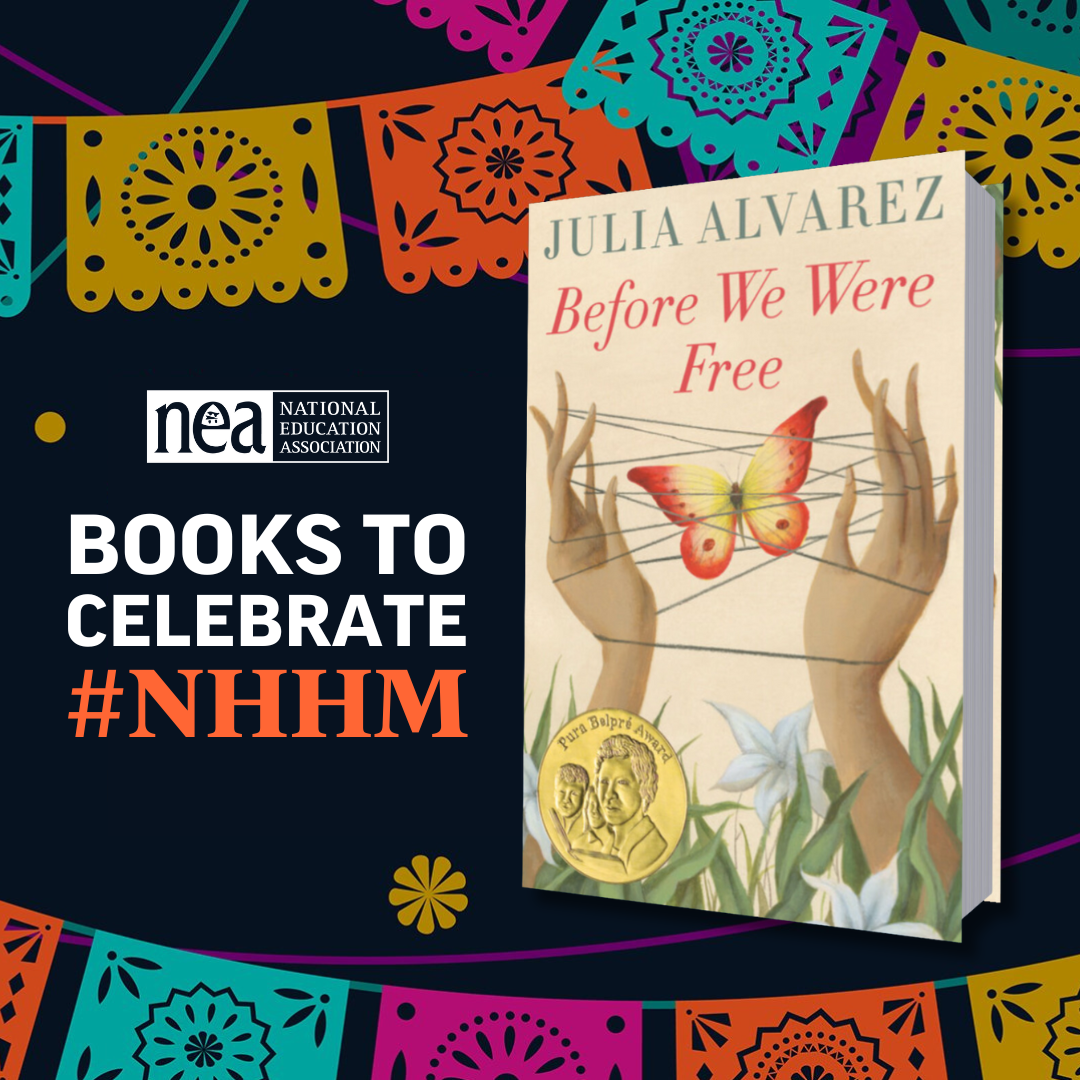
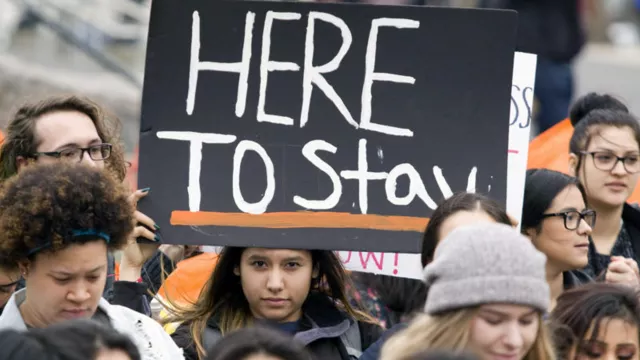
No matter our color, ZIP code, language, or immigration status, every child deserves a public education grounded in truth, respect for one another, and the freedom to pursue their dreams.
Hispanic Heritage Month is an opportunity to celebrate Hispanic and Latino communities and invite people of all backgrounds to learn about and appreciate the experiences, traditions, and rich tapestry that have helped shape our nation.
At a time when some politicians are attempting to whitewash our history and restrict the freedom to teach and learn, it is especially important that our students learn the full story of America. Hispanic and Latino communities have left an indelible mark on art, music, literature, science, politics, education, labor, civil rights, and countless other areas of American life. That legacy is a source of pride and a powerful reminder that our diversity has always been one of our greatest strengths.
We invite educators, students, families, and communities to use and share these resources, books, lessons, videos, and activities noted below throughout Hispanic Heritage Month and beyond—to spark curiosity, inspire meaningful conversations, encourage continued learning, and celebrate the vibrant histories, cultures, and contributions of Hispanic and Latino people.
Find Resources By Audience
Early Childhood & Elementary
Colorín Colorado Booklists — K-5
These children’s Hispanic Heritage booklists feature biography, history, cultural traditions, family stories, fun stories, and titles about growing up Latino.
Bilingual Picture Books in English and Spanish
These bilingual picture books highlight diverse cultural traditions, stories, and perspectives, making them great additions to classroom or school library collections.
20 Picture Books That Celebrate Hispanic & Latine Heritage
Brightly's list of informative and inspiring books to recognize the wide range of voices and stories within Hispanic and Latine culture.
Famous Hispanic Americans Printables — Grades K-5
Coloring pages and hero cards for sports, science, politics, and the arts.
Bring Hispanic Heritage Month to Life | Grades K–8
Explore Hispanic and Latino history and culture through interactive timelines, scavenger hunts, and other learning activities.
Spanish Movies for Kids: G- and PG-rated Titles
Each year we’re seeing more Spanish movies for kids hit the theaters and streaming services. This is a list of family-friendly Spanish movies for kids (these are great movies for Spanish class as well!)
Smithsonian Bilingual Materials— National Museum of the American Latino | K-12 – Explore bilingual resources featuring Latino history, art, music, poetry, science, and culture. Guides include background information, vocabulary, classroom activities, and resources for educators, students, and families.
Smithsonian ¡Descubra! Create-It Activities
Hands-on STEM projects students can complete at school or home. Some combine science, engineering, geography, identity and Latino cultural traditions.
Smithsonian Hispanic Heritage Month Resources —particularly Nuestra América: 30 Inspiring Latinas/Latinos Who Have Shaped the United States and Our Journeys/Our Stories.
These give educators accessible stories of Latino achievement.
Fact Monster - History of Hispanic Heritage Month — Grades 4-5
This articles gives a history and overview of Hispanic Heritage Month, along with links to classroom activities.
Library of Congress: Hispanic Heritage Month — Grades K-12
Images, exhibits, audio, and video.
Colorín Colorado: Hispanic Heritage Month | Grades K–12
Explore bilingual books, classroom activities, lesson plans, author resources, multimedia, and materials for English language learners in English and Spanish.
Middle and High School
Latino Americans Share Their Experiences
Students examine the challenges that three Latino Americans faced and overcame as they achieved success in their careers. This interactive lesson features playwright Lin-Manuel Miranda, actor Judy Reyes, and astronaut José Hernández.
More Latino Americans Lesson Plans from PBS Media
This collection of lesson plans, videos and classroom resources invites teachers and students to explore the history, people and issues chronicled in the PBS series, Latino Americans.
Five Artists of the Mexican Revolution — Grades 9-12
In this lesson, students create original artwork demonstrating the style of an early 20th-century artist of the Mexican Revolution.
¡Baila! Latin Dance in the Spanish Classroom— Grades 9-12
In this lesson, students learn about traditional Latin dance styles such as salsa, mambo, merengue, rumba, cha cha, bachata, and samba and draw comparisons between the dances through presentations and dance demonstrations.
Lotería — Grades 4-10
Learn about and make your own lotería cards.
Chicano! History of the Mexican-American Civil Rights Movement
This documentary series chronicles the struggle for equality and social justice of the Mexican American community in the United States from 1965 to 1975.
Mexican American Migrations and Communities
Teacher Resources and ideas on how to use these these resources
Library of Congress - Hispanic Heritage Month
Images, exhibits, audio, and video.
National Archives Hispanic Heritage resources
The National Archive compiles resources from its collections to help educators recognize the achievements and contributions of Hispanic Americans. Find relevant Teaching with Documents columns and an array of articles, online exhibits, and other source materials to bolster your lesson plans.
The Latinx Kidlit Book Database — Grades K-12
Free database offering the ability to sort by age category, genre, theme, representation featured, and more (K-12)
Colorín Colorado - Hispanic Heritage Month — Grades K-12
Information, puzzles, biographies for English language learners. In English and Spanish.
Plyler v. Doe: Protecting the Right to a Public Education — U.S. Supreme Court | Grades 9–12
Explore the landmark 1982 U.S. Supreme Court decision that held that states cannot deny students access to a free public K–12 education based on their immigration status. Students can examine the Court's decision and consider questions of equal protection, immigration, educational opportunity, and the role of public education in American society.
- Official Supreme Court Opinion — Plyler v. Doe, 457 U.S. 202 (1982): https://www.loc.gov/item/usrep457202/
- Read the Court Opinion: Plyler v. Doe — Cornell Legal Information Institute
Early Labor Rights and Activism: The 1938 Pecan Shellers Strike — Library of Congress | Grades 6–12
Explore the 1938 Pecan Shellers Strike in San Antonio, Texas, when approximately 12,000 Mexican American workers organized to demand better wages and working conditions. Using historic photographs and other primary sources from the Library of Congress, students can examine the experiences of pecan shellers and explore the role of workers and collective action in the broader struggle for labor rights.
Library of Congress: Mexican American Migrations and Communities
A good resource for project-based learning because students work directly with photographs, oral histories, murals, and other primary sources. The LOC provides an analysis tool and teacher guide.
Colorín Colorado: Middle Grades & Young Adult Hispanic Heritage Books
These books have stronger themes for older children that include immigration, border experiences, autobiography, historical fiction, poetry, graphic novels and contemporary coming-of-age stories.
Higher Education
Explore resources that highlight the history, experiences, and contributions of Hispanic and Latino communities in higher education and beyond. These resources offer opportunities for students and educators to examine primary sources, explore Hispanic-Serving Institutions, engage with Latino history and civil rights, and learn about issues shaping college campuses today.
Hispanic-Serving Institutions & Latino Student Success
- Hispanic-Serving Institutions (HSIs) — Hispanic Association of Colleges and Universities (HACU)
Explore current data, fact sheets, research, and lists of Hispanic-Serving Institutions and Emerging HSIs across the country. According to HACU's analysis of 2024–25 IPEDS data, 645 institutions meet the HSI enrollment criterion and enroll 68.2% of Hispanic undergraduates attending nonprofit postsecondary institutions. - HACU Higher Education Research & Data
Explore research, policy analysis, HSI fact sheets, STEM resources, and data examining Hispanic participation and success in higher education. - 2026 Hispanic-Serving Institutions Fact Sheet — HACU
Explore current data on the nation's 645 HSIs, including Hispanic enrollment, Pell Grant recipients, institutional types, geographic distribution, and social mobility.
Latino History, Identity & Educational Access
- Who Is Hispanic? — Pew Research Center
Examine how Hispanic identity is defined in the United States, including questions of race, ethnicity, ancestry, Census classifications, and self-identification. A useful resource for classroom discussions about identity and the diversity of Latino communities. - Mendez v. Westminster — Library of Congress
Explore the landmark school desegregation case brought by Mexican American families in California and its lasting significance for educational opportunity, civil rights, and equal protection. Includes historical context, court cases, photographs, and primary sources. - Mexican American Migrations and Communities — Library of Congress
Examine photographs, newspapers, oral histories, maps, and other primary sources documenting Mexican American migration, communities, culture, labor, discrimination, and movements for social justice. Includes an analysis tool and discussion activities that can be adapted for college courses. - Hispanic American History — National Archives
Explore federal records and primary sources documenting Hispanic and Latino experiences and contributions to U.S. history, including civil rights, arts and culture, Puerto Rico, and prominent Hispanic Americans.
Explore Latino History
- ¡Presente! A Latino History of the United States — National Museum of the American Latino
Explore Latino history through first-person oral histories, biographies, artifacts, an interactive map, and a 360-degree virtual tour. Topics include Latino identity, immigration, historical legacies, and the many ways Latinos have shaped the United States. - National Museum of the American Latino Exhibitions
Explore current and digital exhibitions highlighting Latino history, arts, music, culture, identity, and experiences in the United States.
Labor, Civil Rights & Civic Engagement
- Hispanic Americans in Labor & the Labor Movement — Library of Congress
Explore the contributions of Hispanic and Latino workers to the U.S. labor movement across agriculture, factories, meatpacking, hospitality, and other industries. Learn about workers and organizers who fought for collective bargaining, better wages and working conditions, voting rights, and workplace protections—including Emma Tenayuca and the 1938 San Antonio Pecan Shellers Strike. - United Farm Workers & Latino Labor Organizing — Library of Congress
Learn about Dolores Huerta, the United Farm Workers, the Delano grape strike, boycotts, and the broader movement for dignity, fair treatment, and worker rights. - Hispanic and Latino Civil Rights in the United States — Library of Congress
Explore landmark events, organizations, leaders, and court cases that have shaped Latino civil rights, including educational equality, labor organizing, voting rights, and political representation.
NEA Resources on Immigration, DACA, and Higher Education

Immigration Issues: Guidance for Educators
DACA and FAFSA
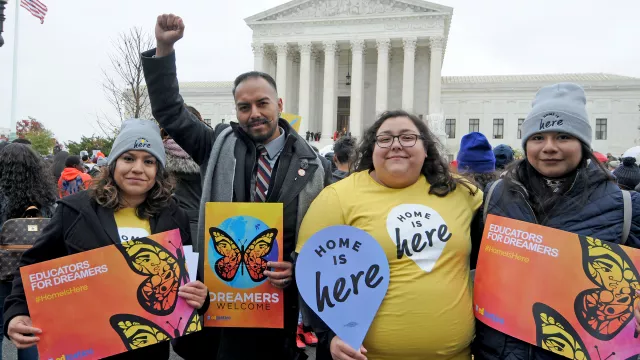
Employment-Based Sponsorship for Educators with Vulnerable Immigration Status — NEA
Protecting the Freedom to Learn
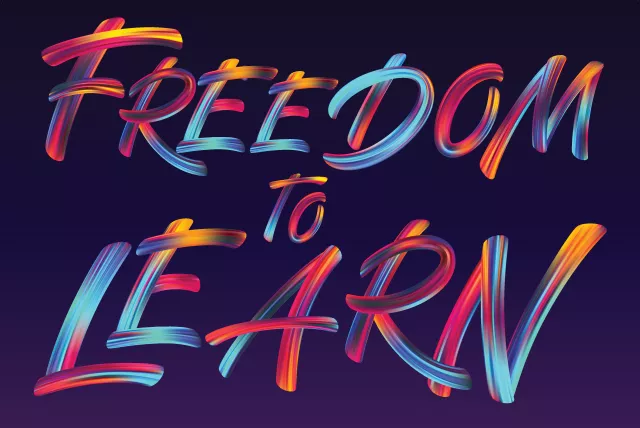
Freedom to Learn
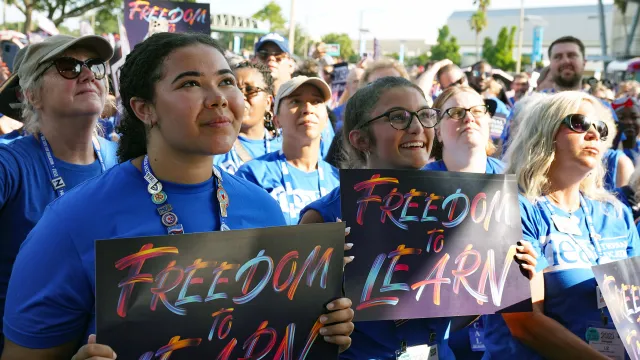
Demand the Freedom to Learn
Building the Next Generation of Educators: Resources from NEA

Strengthening the Educator Pipeline and Supporting Aspiring Educators
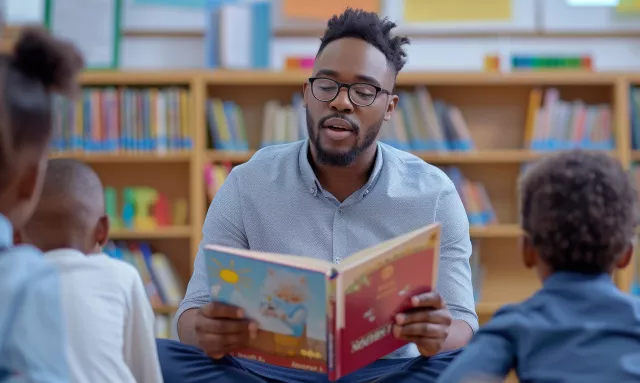
NEA Aspiring Educators
Interactive Activities
Bring Hispanic Heritage Month to life through hands-on activities that encourage students to create, explore, listen, move, and discover. These activities can be adapted for different ages and used in classrooms, campuses, homes, and communities.
Create & Play
- Make Your Own Lotería Cards | Grades 4–10
Learn about lotería, a traditional Mexican game similar to bingo, and create your own cards inspired by people, places, objects, and traditions. - Explore Latino Murals | Adaptable for Grades K–12
Explore Latino murals using photographs and primary sources from the Library of Congress. Students can examine images, symbols, language, family traditions, and community stories—and consider what they would include in a mural about their own community. - Write Your Own Corrido | Grades 6–12
Explore the corrido, a Mexican narrative song tradition that tells stories about people, communities, and historical events. Students can examine historic examples and then write their own corrido in English or Spanish.
Explore & Discover
- Bring Hispanic Heritage Month to Life | Grades K–8
Explore Hispanic and Latino history and culture through interactive timelines, scavenger hunts, and other learning activities. - Colorín Colorado: Hispanic Heritage Month | Grades K–12
Explore bilingual books, classroom activities, lesson plans, author resources, multimedia, and materials for English language learners in English and Spanish. - ¡Descubra! Hispanic Heritage — Smithsonian Learning Lab | Grades 2–8 & High School Spanish
Explore Hispanic and Latino culture through interactive Smithsonian collections and activities featuring poetry, music, sculpture, photography, oral histories, food, family traditions, and more. Activities are available for different grade levels and include opportunities to engage in English and Spanish. - 8 Ways to Observe Hispanic Heritage Month | All Ages
Take learning beyond the classroom by reading Latino authors, exploring Latino cuisine, visiting museums and historical sites, attending cultural events, watching films, supporting Latino-owned businesses, and celebrating with family and friends.
Explore Stem & Innovation
- ¡Descubra! Meet the Science Expert: Create-It STEM Activities | Grades K-12
Become the scientist through hands-on STEM/STEAM projects exploring engineering, earth and space science, biology, chemistry, physics, and environmental science. Activities include building wind instruments, engineering an Inka grass bridge, exploring whales, and designing a Mars rover. - The Great Inka Road: Explore Indigenous Innovation | Grades 5–8
Discover how the Inka designed an extraordinary road system across the Andes. Students can explore interactive maps, videos, images, engineering challenges, and hands-on activities examining bridges, transportation, agriculture, water management, and Indigenous innovation.
Listen & Move
- Latin American Music Lesson Plans — Smithsonian Folkways | Grades K–12
Explore music from Latin America and Latino communities through classroom-ready lessons featuring listening, singing, instruments, rhythm, movement, history, and cultural traditions. - ¡Baila! Latin Dance in the Spanish Classroom | Grades 9–12
Explore salsa, mambo, merengue, rumba, cha-cha, bachata, and samba while building Spanish-language skills. Students research the history and geographic origins of different dances and share what they learn through presentations and movement. - Raíces Latinas: Smithsonian Folkways Latino Music Collection | Grades 6–12 & Higher Education
Listen to and explore the diverse musical traditions that have shaped Latino culture, including Afro-Cuban rumba, Puerto Rican jíbaro music, Tejano conjunto, Mexican mariachi and corridos, Brazilian music, and traditions from across Latin America. - Latino Music & Culture — Smithsonian Folkways | Grades 6–12 & Higher Education
Explore Smithsonian recordings, videos, artist stories, and cultural resources that connect music with migration, identity, community, history, and traditions across Latin America and Latino communities in the United States.
Music
Explore Latin American music and dance | Grades 6-12
History: The Origins of 7 Key Latin Music Genres | Grades 6-12
List of Genres:
- Latin Jazz Music – About
Latin jazz, also called Afro-Cuban jazz, IS a style of music that blends rhythms and percussion instruments of Cuba and the Spanish Caribbean with jazz and its fusion of European and African musical elements. - Salsa Music
- Merengue Music
- Tango Music
- Bolero Music
- Flamenco Music
- Reggaeton Music
- Bossa Nova Music
- Samba Music
- Cuban Rumba Music
- Cumbia Music
- Bachata Music
- Son Cubano Music
- About Mariachi Music
- Regional Mexican
- About Latin Trap Music
Celebrate at School, Home & In Your Community
- 31 Fun Activities to Honor Hispanic Heritage Month | Grades K–12
Explore hands-on ways to celebrate Hispanic Heritage Month, including virtual field trips, traditional foods, crafts, books, music, classroom projects, and other activities. - Hispanic Heritage Month with PBS KIDS | Early Childhood & Elementary
Celebrate Hispanic and Latino cultures through books, music, family stories, recipes, crafts, and hands-on activities for young learners and their families. - Celebrate Hispanic Heritage Month — National Museum of the American Latino | All Ages
Take Hispanic Heritage Month beyond the classroom by researching Latino leaders, reading Latino authors, preparing traditional foods, exploring museums and exhibitions, watching films, learning dances, participating in community service, and attending cultural events. - My Community History Project — Smithsonian | Grades 6–12 & Higher Education
Learn how to plan, conduct, record, and preserve an oral history with a family or community member. Students can document stories about family, education, work, traditions, neighborhoods, migration, and community experiences while learning how individual stories contribute to our shared history. Resources are available in English and Spanish. - Discover Latino History in Your Community — UnidosUS | Adaptable for Grades K–12
Encourage students to research Latino leaders, educators, artists, workers, neighborhoods, organizations, and historic events in their own communities—and share what they discover through stories, music, dance, poetry, presentations, or other creative projects.
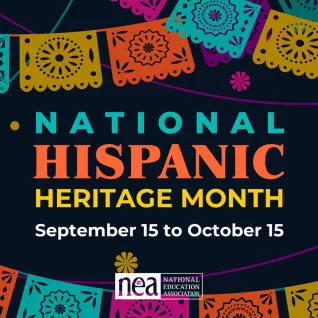
Download and Share these Graphics
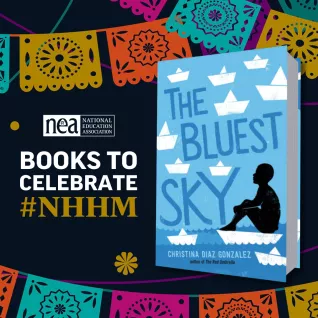
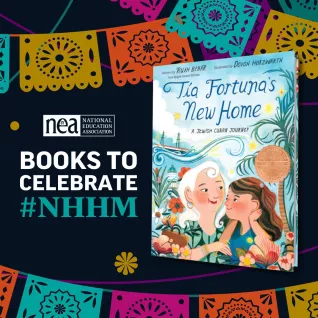
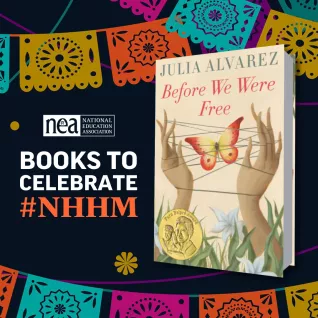
Links to external websites are provided for informational purposes only. NEA assumes no responsibility for the content or policies of external websites.
Join Our Movement