Look for opportunities to share these stories throughout the year and include their use across the curriculum to help readers get to know Native people and their nations. To find these books in your local library, check out the list on WorldCat.
Find more guidance on choosing and sharing children's books about Native Americans from NEA's Read Across America partner, Colorin Colorado.
Picture Books and Elementary
Caribou Song by Tomson Highway; illustrated by John Rombough
A Day with Yayah by Nicola I. Campbell; illustrated by Julie Flett
At the Mountain's Base by Traci Sorell; illustrated by Weshoyot Alvitre
Bowwow Powwow / Bagosenjige-niimi'idim by Brenda Child; illustrated by Jonathan Thunder
Chester Nez and the Unbreakable Code: A Navajo Code Talker's Story by Joseph Bruchac
Chooch Helped by Andrea L. Rogers; illustrated by Rebecca Lee Kunz
Chukfi Rabbit's Big, Bad Bellyache: a Trickster Tale by Greg Rodgers
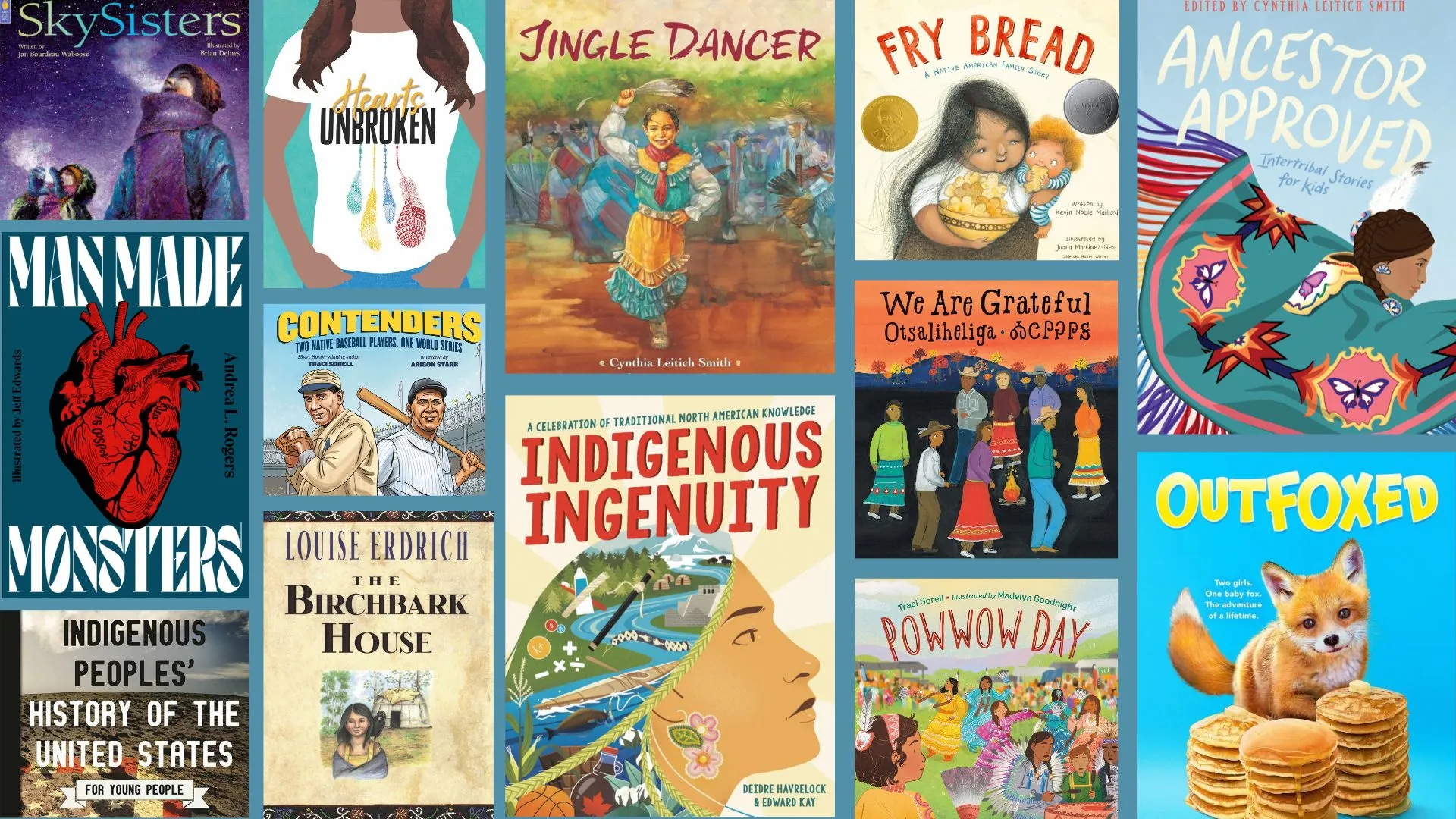
Contenders: Two Native Baseball Players, One World Series by Traci Sorell; illustrated by Arigon Starr
A Coyote Columbus Story by Thomas King; illustrated by William Kent Monkman
Fry Bread: A Native American Family Story by Kevin Noble Maillard
Giving Thanks: A Native American Good Morning Message by Chief Jake Swamp; illustrated by Erwin Printup, Jr.
A Good Hide by Karina Iceberg; illustrated by Natasha Donovan
Hungry Johnny by Cheryl Minnema; illustrated by Wesley Ballinger
I Love Salmon and Lampreys by Brook M. Thompson
The Inuit Thought of It: Amazing Arctic Innovations by Alootook Ipellie and David MacDonald
Jingle Dancer by Cynthia Leitich-Smith and Ying Hwa-Hu; illustrated by Cornelius Van Wright
Loaf the Cat Goes to the Powwow by Nicholas DeShaw
Mayeros: A Yucatec Maya Family by George Ancona
Mission to Space by John Herrington
Muskrat Will Be Swimming by Cheryl Savageau; illustrated by Robert Hynes
The People Shall Continue by Simon J. Ortiz; illustrated by Sharol Graves
Rock & Roll Highway: The Robbie Robertson Story by Sebastian Robertson; illustrated by Adam Gustavson
Saltypie: A Choctaw Journey from Darkness into Light by Tim Tingle; illustrated by Karen Clarkson
Shin-Chi's Canoe by Nicola I. Campbell; illustrated by Kim LaFave
Skysisters by Jan Bourdeau Waboose; illustrated by Brian Deines
Sweetest Kulu by Celina Kalluk; illustrated by Alexandria Neonakis
Tallchief America's Prima Ballerina by Maria Tallchief, with Rosemary Wells; illustrated by Gary Kelley
The Trickster Shadow by Mangeshig Pawis-Steckley
We Are Still Here!: Native American Truths Everyone Should Know by Traci Sorrell; illustrated by Frané Lessac
We Are Grateful: Otsaliheliga by Traci Sorrell; illustrated by Frané Lessac
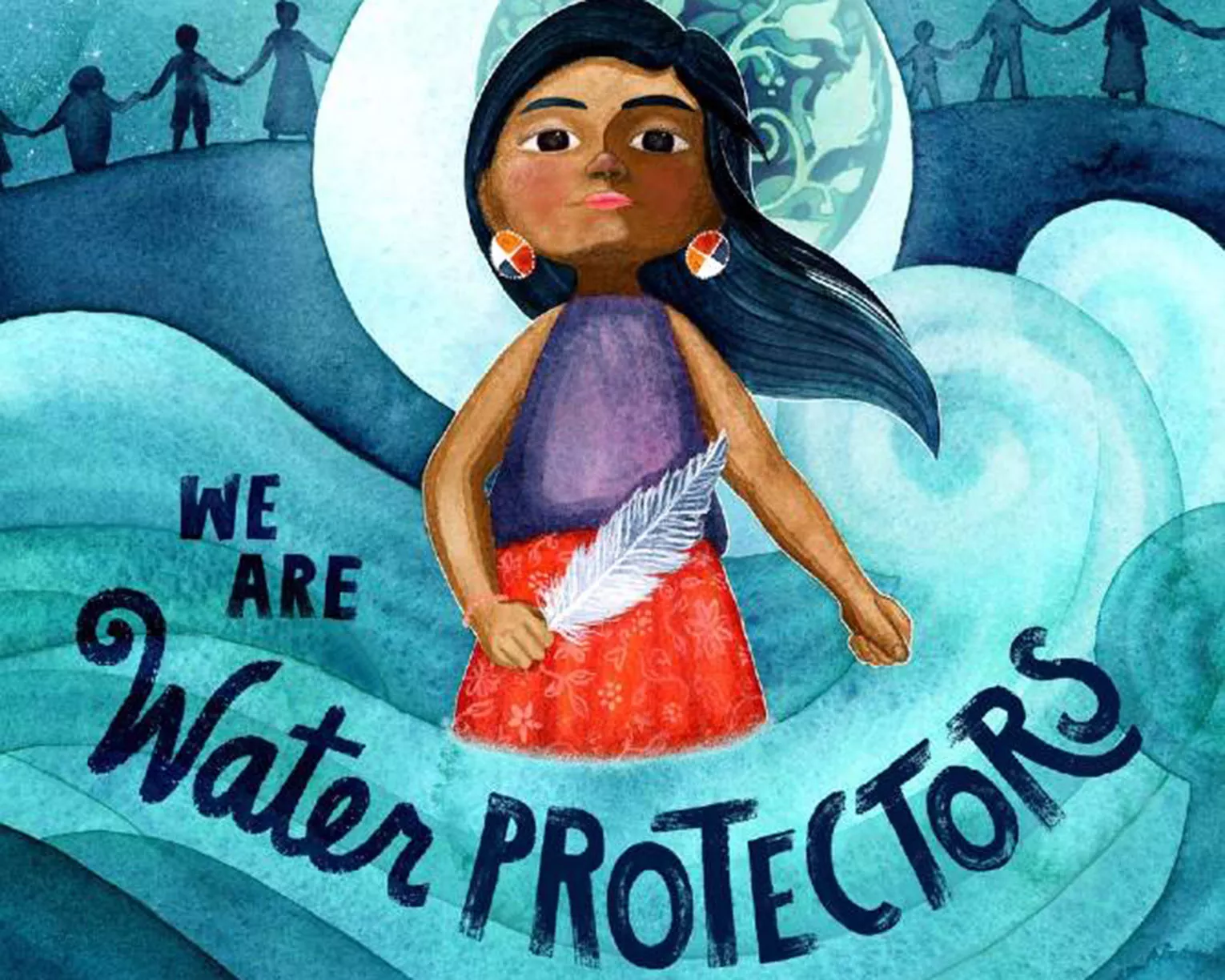
We Are Water Protectors by Carole Lindstrom illustrated by Michaela Goade
Wild Berries by Julie Flett
When the Shadbush Blooms by Carla J.S. Messinger and Susan Katz; illustrated by David Kanietakeron Fadden
Middle Grade
Alice Piper Speaks Up by Sage Andrew Romero and Loralee Sepsey
Ancestor Approved: Intertribal Stories for Kids by Cynthia Leitich Smith
The Barren Grounds by David A. Robertson
The Birchbark House by Louise Erdrich
Eagle Drums by Nasuġraq Rainey Hopson
Fatty Legs: A True Story by Christy Jordan-Fenton and Margaret Pokiak-Fenton; illustrated by Liz Amini-Holmes
Fighter in Velvet Gloves: Alaska Civil Rights Hero Elizabeth Peratrovich by Annie Boochever
The Froggy Library by Julie Fiveash
Healer of the Water Monster by Brian Young
How I Became a Ghost: A Choctaw Trail of Tears Story by Tim Tingle
I Can Make This Promise by Christine Day
In the Footsteps of Crazy Horse by Joseph Marshall III
Indigenous Ingenuity: A Celebration of Traditional North American Knowledge by Deidre Havrelock & Edward Kay
Outfoxed by Elise McMullen-Ciotti
Red Bird Danced by Dawn Quigley
Rez Ball by Byron Graves
The Sea in Winter by Christine Day
Young Adult
Code Talker: A Novel About the Navajo Marines of World War Two by Joseph Bruchac
Everything You Wanted to Know about Indians But Were Afraid to Ask: Young Readers Edition by Anton Treuer
Funeral Songs for Dying Girls by Cherie Dimaline
Give Me Some Truth by Eric Gansworth
Hearts Unbroken by Cynthia Leitich Smith
In the Courts of the Conqueror: The 10 Worst Indian Law Cases Ever Decided by Walter R. Echo-Hawk
An Indigenous Peoples' History of the United States for Young People by Roxanne Dunbar Ortiz, adapted by Jean Mendoza and Debbie Reese
Living Nations, Living Words: An Anthology of First Peoples Poetry by Joy Harjo
Looking for Smoke by K.A. Cobell
Man Made Monsters by Andrea L. Rogers; illustrated by Jeff Edwards
Medicine Wheels by Byron Graves
#NotYourPrincess: Voices of Native American Women by Lisa Charleyboy and Mary Beth Leatherdale (editors)
Rain Is Not My Indian Name by Cynthia Leitich Smith
This Place: 150 years Retold (compilation from various authors)
Where Wolves Don't Die by Anton Treuer
Join the community of activists committed to advancing social and racial justice in public education