

Make a Plan to Vote!
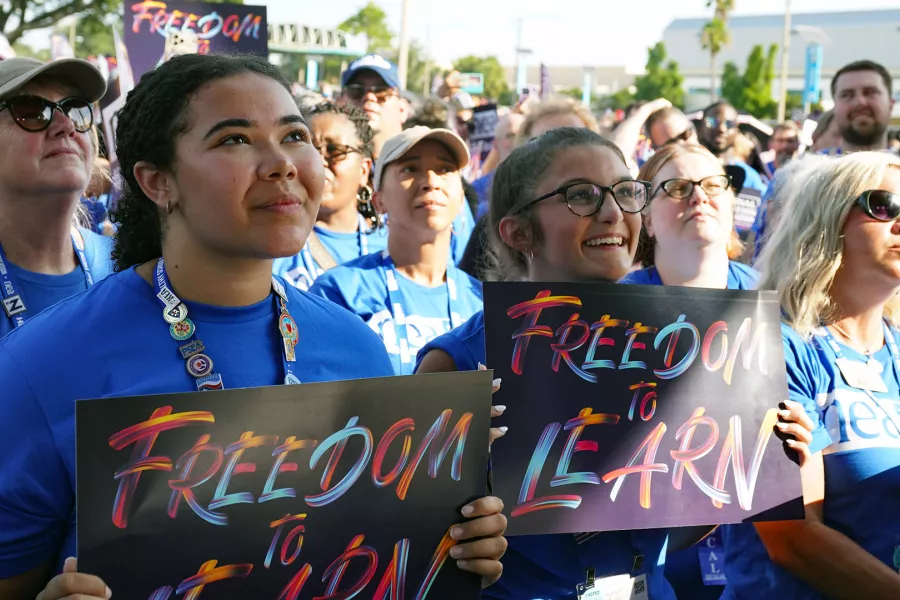
Every student deserves a public school with the resources to help them thrive. That takes leaders who will fully fund public schools. Make your plan to vote at nea.org/vote.
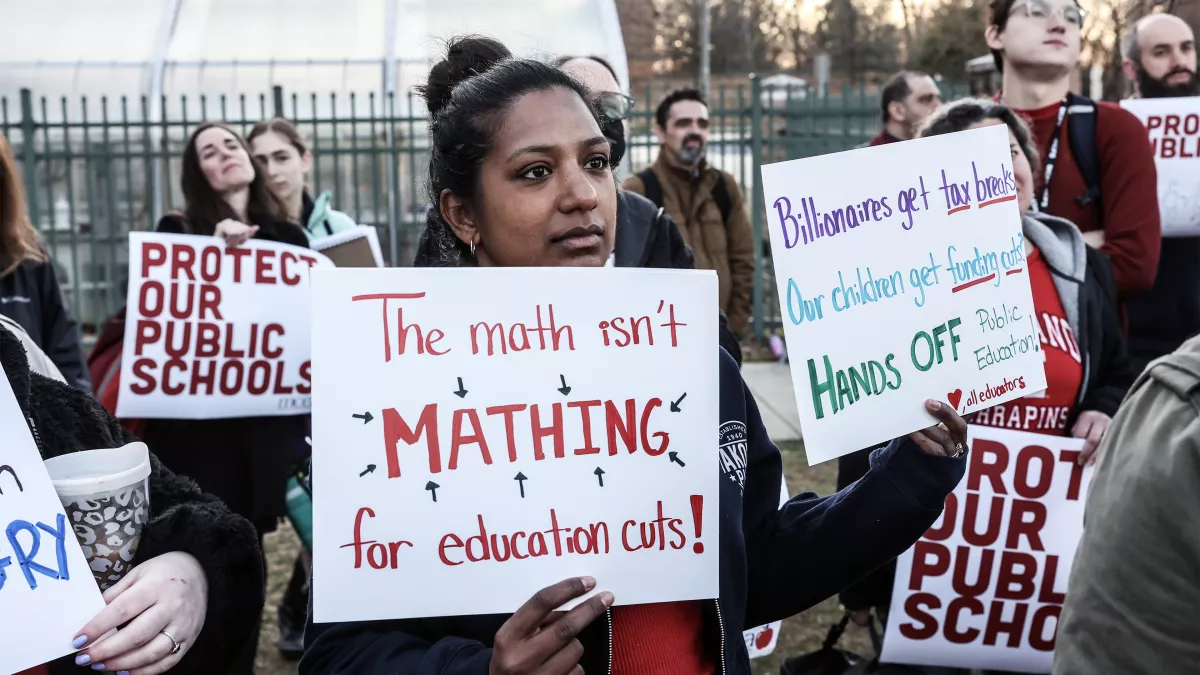
We’re here to make sure every student & educator succeeds.
The National Education Association (NEA) is more than 3 million people—educators, students, activists, workers, parents, neighbors, friends—who believe in opportunity for all students and in the power of public education to transform lives and create a more just and inclusive society.
We are Speaking Up For
URGENT: Help Stop Census Changes That Will Hurt Public Schools

URGENT: Help Stop Census Changes That Will Hurt Public Schools
Tell lawmakers to count everyone in the next census and protect public education.
Paying Up: Minimum Salaries for Educators

Paying Up: Minimum Salaries for Educators
Minimum-salary laws are a growing strategy for raising educator pay.
Understanding Your Duty as a Mandatory Reporter
Understanding Your Duty as a Mandatory Reporter
Given educators’ regular contact with students, every state designates them as mandatory reporters of suspected child abuse. Knowing your reporting obligations can help you respond appropriately when concerns arise.
How to Teach Behavior Instead of Managing it

How to Teach Behavior Instead of Managing it
Problems with behavior are skill gaps. Identify the gap, teach the skill, and watch behaviors improve.
Into the Woods
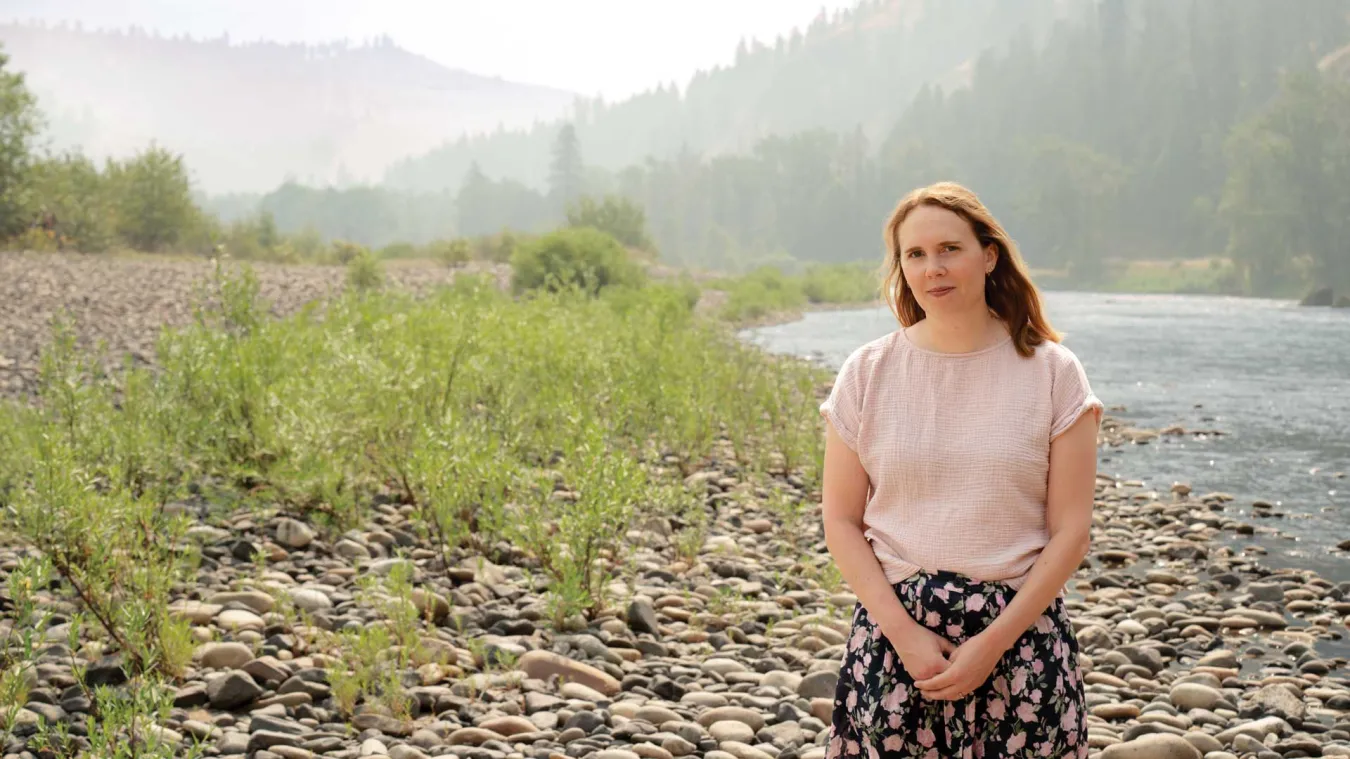
Into the Woods
In many rural counties, school districts depend on a federal program that is increasingly unreliable.
Our best hope for student success is you.
Your passion and commitment are crucial to helping all students—of all colors and backgrounds—learn, grow, and fulfill their potential. Here’s how you can get started.

Achieve professional excellence
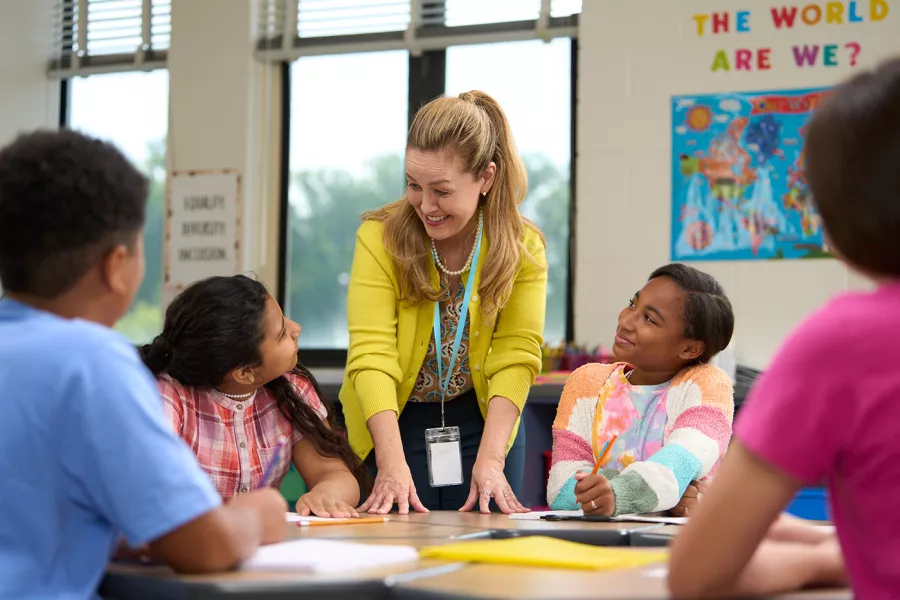
Your Rights and Working Conditions
Advance justice with us
Are you an affiliate?
Jump to updates, opportunities, and resources for NEA state and local affiliates.
Let’s bring real change
Let’s get real
Finding a local focus can be an effective way to teach big topics.
Let’s bring real change

“The World Cup can’t happen without agriculture, from the fibers used to create uniforms to the materials the balls are made of to the grass or turf of the fields. I invited members of the Farm Bureau and parents who work in agriculture to talk to students about where everything in the World Cup comes from.”
— Nancy Smith, first-grade teacher, Kansas
Read: Educators turn summer headlines into engaging fall lessons
At every level, anti-public education candidates are pushing policies that harm students.
Let’s bring real change

“To me, it is crucial that every single NEA member vote and have a voice right now. We’re talking about the future of not just our schools, but our society. Education is a fundamental right, and we’re the ones who can fight for our kids.”
— Ava Chiao, independent studies teacher, San Jose, California
Read: Why Your Vote Matters for Students
From book bans to firings to personal attacks, America’s culture wars are sweeping through public schools, turning teachers and librarians into targets.
Let’s bring real change
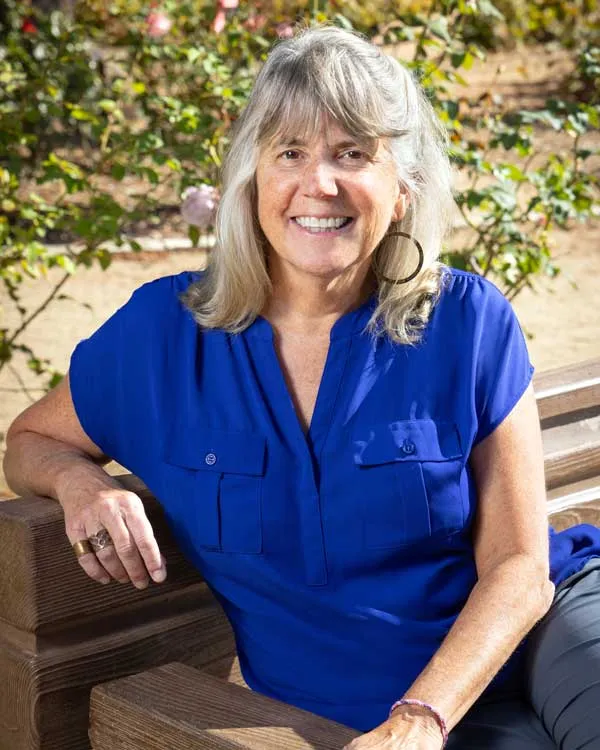
“It is truly distressing. One lesbian teacher was accused of being a groomer because she wrote a note assuring her troubled student that ‘it gets better.’ Another educator received death threats after telling her middle school students that she was going on a vacation with her girlfriend....Non-LGBTQ+ educators who openly support queer students face harassment, too....Unions provide essential job protection. Several teachers who were unfairly harassed and/or disciplined told me they still have jobs only because of our union.”
— Sue Granzella, author of Pushed to the Edge: Teachers’ Stories from the Culture Wars
Read more
What’s on Your Mind?
We’re here to help. Our community comes to us seeking tools (guides, reports, trainings, and more) to help answer everyday questions. We’re here to support you in whatever you need.
- Bullying
- Collective Bargaining
- College Affordability
- COVID-19
- Diversity & Inclusion
- Education Funding
- English Language Learning
- Federal Legislation
- Gun Violence
- Immigration
- Mental Health
- Politics & Campaigns
- Privatization
- Racial & Social Justice
- School Climate
- Trauma
- Union Organizing
- Voting Rights
- Workplace Conditions
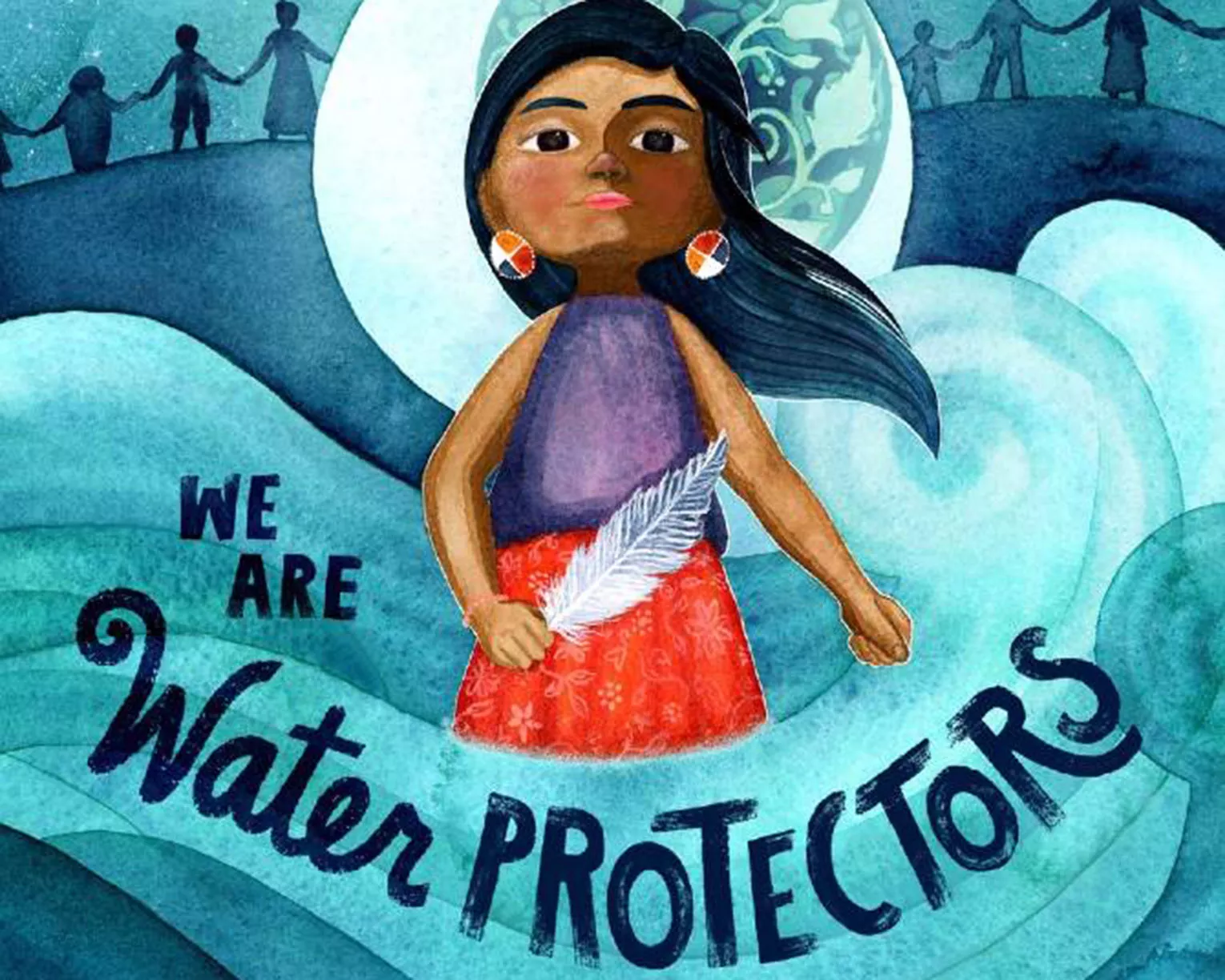
Celebrate Native American and Alaska Native Heritage Month
We have lesson plans, activities, resources, and recommended books to help students explore and celebrate Native American culture.
Stay Informed We'll come to you
We're here to help you succeed in your career, advocate for public school students, and stay up to date on the latest education news. Sign up to stay informed
Great public schools for every student
The National Education Association (NEA), the nation's largest professional employee organization, is committed to advancing the cause of public education. NEA's 3 million members work at every level of education—from pre-school to university graduate programs. NEA has affiliate organizations in every state and in more than 14,000 communities across the United States.