Immigration Issues Guidance for Educators
Immigration Issues: Guidance for Educators
All students, regardless of race, background, immigration status, or ZIP code, deserve to feel safe and welcomed at school.
Families trust schools to be places where children can learn without fear.
But Donald Trump’s immigration policies and actions have created fear and upheaval, mass panic, and lasting trauma, not only in our communities but also in our schools.
It is not only immigrant parents and their children who are affected. Immigration raids, detentions, and deportations impact the entire school community. Students cannot learn when they are afraid for their safety or the safety of their families, friends, and educators. When immigration enforcement occurs near schools, educators report that student attendance drops, classrooms and lessons are disrupted, and the demand for counseling and mental health support rises as students cope with fear and uncertainty.
Educators, parents, and school administrators must be prepared for the impact that immigration issues can have on schools and our communities.
To that end, the following guidance lays out information regarding immigration and schools, including
- information around enrollment issues and Plyler v. Doe,
- Safe Zones resolutions,
- how educators can safely engage in immigration advocacy,
- a FAQ and Know Your Rights guide around immigration enforcement,
- safely observing ICE,
- information on the FAFSA process, and an update on the DACA program.
NEA strongly encourages schools and school districts to adopt a Safe Zones policy that outlines what educators, and staff should do if ICE attempts to engage in immigration enforcement at schools. Hundreds of school districts around the country already have adopted a Safe Zones policy. The page on Safe Zones contains a model Safe Zones resolution, a model district policy and an FAQ on such policies for your use. If your school district has not yet adopted such a policy, we encourage you to take proactive action to ensure your schools are safe for all students.
This guidance and resources may be shared widely with anyone who wants schools to be places where children can learn without fear.
Immigration & Schools 101

Immigration Safe Zones
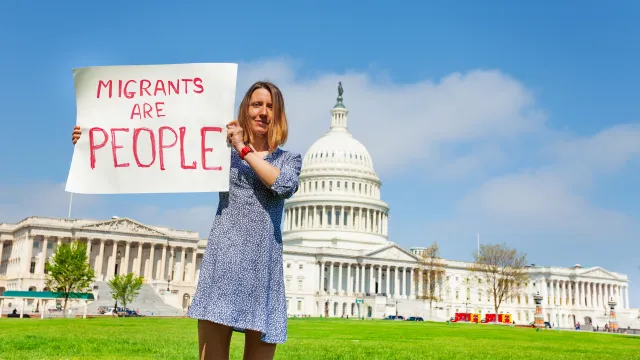
Immigration Advocacy
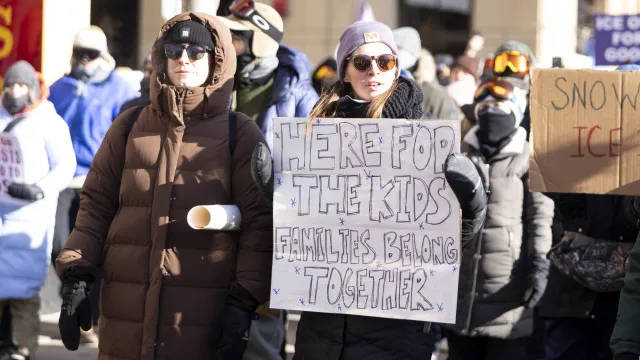
Immigration Enforcement
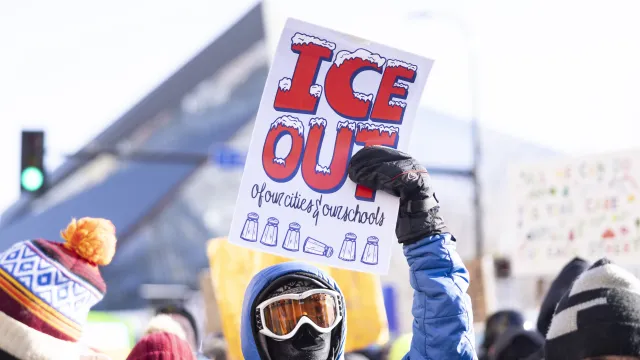
Observe & Document ICE Activity
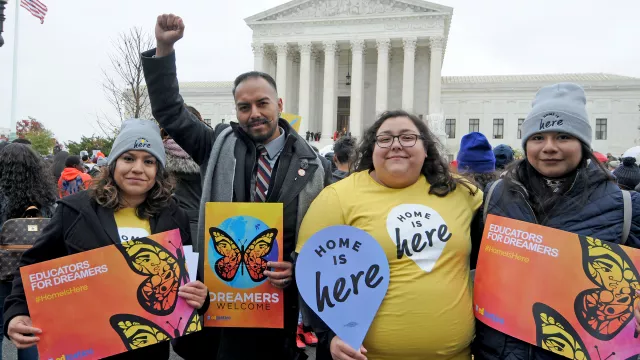
DACA and FAFSA