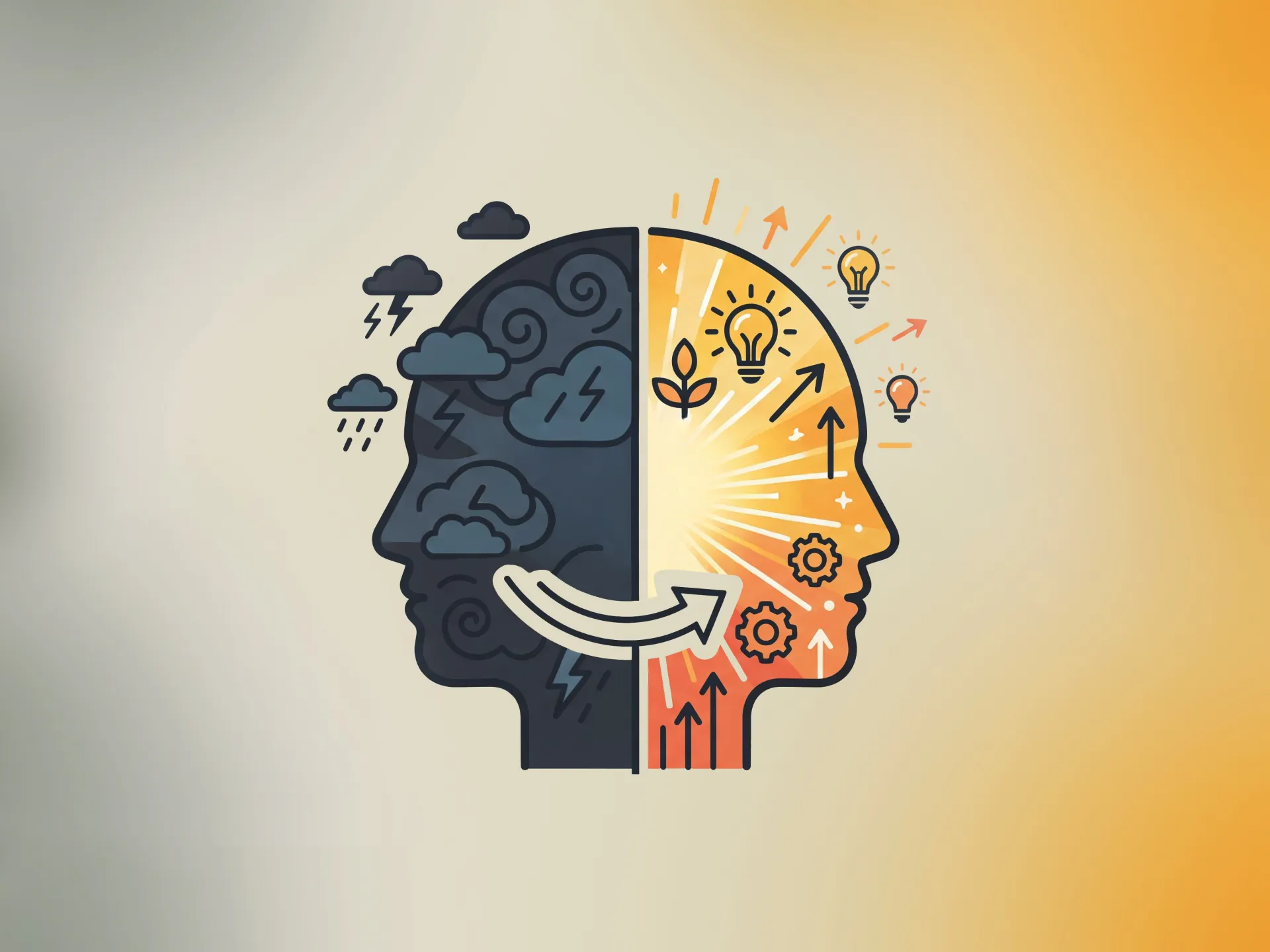
Teachers didn’t enter the profession to become behavior managers. Yet for many, school discipline has become the single greatest barrier to teaching, student learning, and educators even wanting to stay in the classroom. Most common misbehaviors in schools are the result of skill gaps. Instead of asking “How do I stop this?” we start asking, “What skill is this student potentially missing, and how do I teach it?”
Instead of punishing negative behavior, we teach the missing skill that caused harm and then guide the student to take steps towards repair.

When a student can’t read, we don’t assign detention until they magically decode the words; instead, we teach phonics. Behavior works the same way. If a student interrupts constantly, maybe the replacement skill is learning how to wait and enter a conversation. If they walk out of class, there needs to be a logical consequence, and then we need to teach them how to ask for a break appropriately. These are a few ways to use misbehavior as a teaching moment.
Too much talking
A student is talking while the teacher is giving directions. The missing skill here is often impulse control and patience—the ability to hold a thought and wait for the right moment to share it.
The standard redirect is “stop talking.” But that only tells the student what not to do. The replacement-skill approach teaches them what to do instead. Here’s how to teach it: First, create a silent signal between you and the student. Create a non-verbal cue (like a hand signal) that says, “I see you, and I need you to hold that thought.”
A verbal redirection with a student who is sensitive to correction can sometimes feel oppositional and escalate the situation.
Second, pair the student with a talking buddy for focused discussions during appropriate times, like group work, transitions, or break periods. This gives them a structured outlet for the social energy driving the behavior.
Third, build in a designated share time. Tell the student: “If you have something to say during my instruction, jot it on a sticky note, and I’ll give you time to share in two minutes.” This teaches the actual cognitive skill of holding a thought, which is an executive functioning skill a lot of students haven’t developed yet.
When you see that student raising their hand or writing on the sticky note instead of blurting out, reinforce it immediately: “Thanks for being patient and writing that down. Let’s hear your thought now.” That positive feedback will help the new behavior stick.
Refusal to do work
When a student doesn’t want to work in class, the skill gap is often knowing how to ask for help.
You can say: “If you’re stuck and can show me where, I’d like to help.”
Teach the student these sentence stems to use when they feel stuck: “I don’t understand the part where ___ ,” or, “I need help with ___ ,” or even just, “Can I have a minute?”
You can also create a signal system for the whole class, so asking for help doesn’t feel so risky.
Something as simple as a colored cup system—green means “I’m good,” yellow means “I’m slowing down,” red means “I’m stuck.” This normalizes the need for help across the room, which makes it safer for the student who is most likely to shut down.
When that student eventually raises a hand or uses the signal or says, “I’m stuck here,” respond immediately and warmly to reinforce the behavior.
Belligerent behavior
A student gets frustrated, shouts, and argues with the teacher, then pushes over a chair and walks out. In this situation, the missing skill is self-regulation—specifically, the ability to notice when their emotional state is shifting and how to stop it from taking over.

A student that exhibits violent, disruptive, and disrespectful behavior needs to first develop this replacement skill outside of the classroom, at a time after the harm has taken place.
A guide to real self-regulation in action:
Trigger: What usually sets you off?
Cue: What does your body feel like when it starts building?
Act: What happens when you hit your “crash out” (or peak escalation)? What can you do instead when you get upset?
Evaluation: How do you know you’re starting to come back down? What does success look like for you after ___?
Once students understand the cycle, you can help them build coping skills. The student can further develop these skills by working with an administrator, school counselor, or social worker.
Every student should be able to say: “When I feel ___ , I do ____ .”
Separate behavior from identity
When we respond to identity, kids internalize the label and stop seeing a reason to change. When we respond to the skill gap, they internalize growth. That difference determines whether students see themselves as broken or growing. And growing helps them become open to understanding how their behaviors affect others.
(This is an edited version of an article Nathan Maynard wrote for Cult of Pedagogy.)