Published: January 12, 2026
First Appeared In NEA Today, January 2026
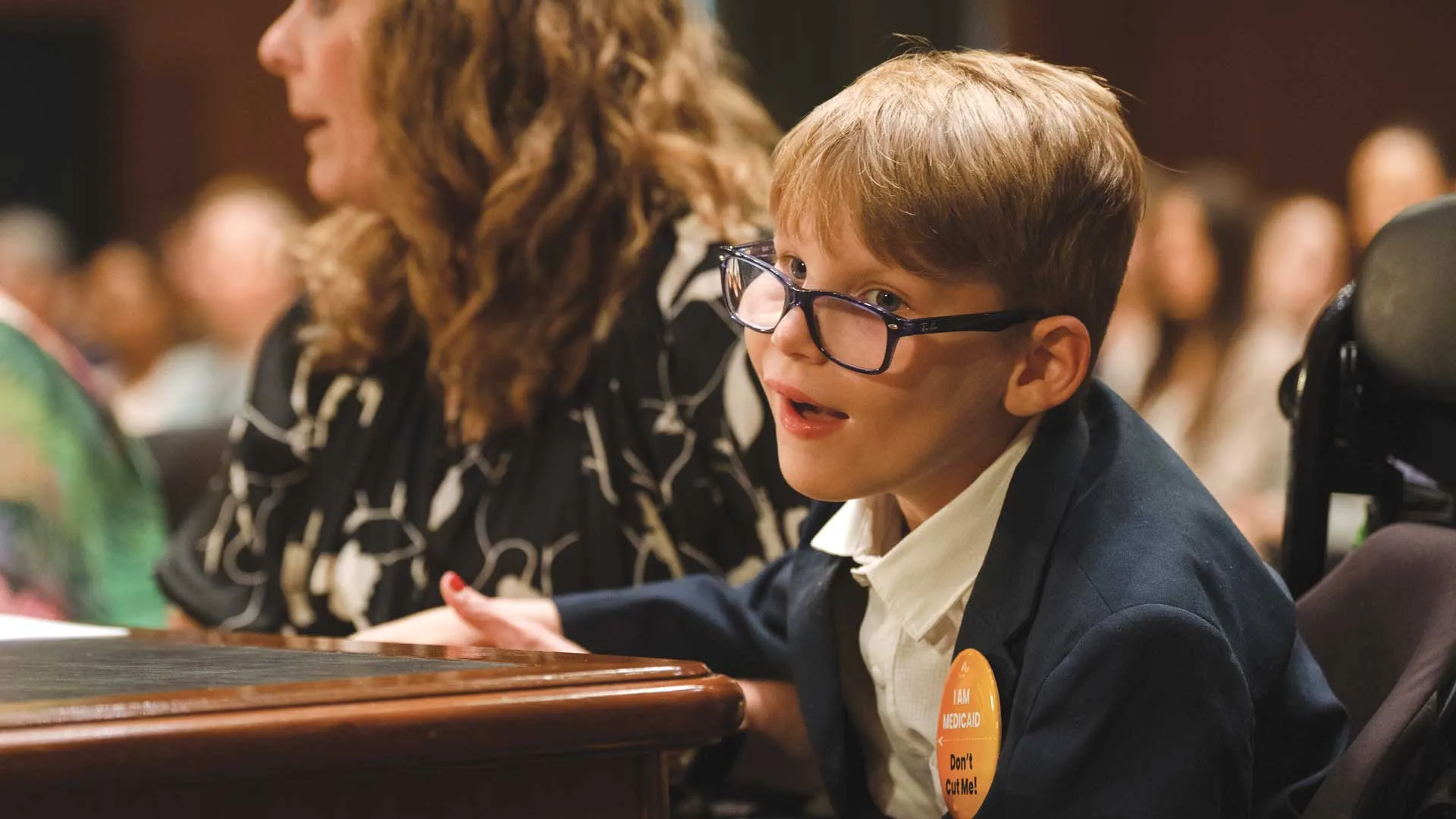
Six days after Charlie was born, he was diagnosed with a serious infection that would leave him with lifelong disabilities.
When Charlie wasn’t hitting developmental milestones, Baker Curtis called in early intervention services.
“The reason Charlie can run and swallow and use his talker is because Medicaid has covered life-changing therapies for our son,” she says.
But now Congress has cut Medicaid by a whopping $1 trillion, making it likely that students with disabilities—kids like Charlie—will lose therapies and services they count on to thrive and even survive.
‘WHAT WILL WE DO?’
Charlie’s school-based Medicaid services include specialized transportation and a one-on-one aid, as well as speech, occupational, and physical therapy.
Baker Curtis and her husband—who also have a 12-year-old daughter to care for—both have employer-provided health insurance. But their policy doesn’t cover anywhere near the amount of services Charlie needs.
“Under our PPO, we qualify for a total of 30 appointments for occupational and physical therapy,” Baker Curtis says. “We would blow through those in about three and a half months. What will we do for the rest of the year?”
Nationwide, Medicaid supports over $7.5 billion of school-based health services annually.
A Barrage of Cuts
Incredibly, Congress voted to sacrifice the well-being of millions of students like Charlie to help finance tax breaks for the ultrawealthy.
When federal support for health care is cut, states are forced to try to make up the difference—and that could result in cuts to education spending. For students, that could mean larger class sizes, losing school counselors, or many other negative outcomes.
Read on to see how students will be directly affected by three reckless moves by the Trump administration.
President Donald Trump’s second term has already had devastating consequences for public education. Here are three ways students will continue to pay the price:
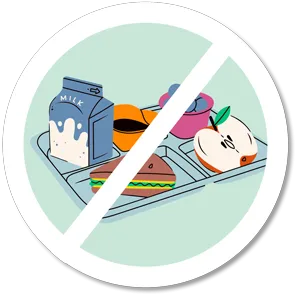
WHAT WAS CUT: The Supplemental Nutrition Assistance Program (SNAP) faces $186 billion in cuts over the next decade—the largest reduction ever made to an anti-hunger program.
WHY IT MATTERS: Students whose families qualify for SNAP are automatically eligible for free school meals. With fewer kids receiving SNAP benefits, some districts will lose community eligibility, a provision that allows schools to provide universal meals to the entire student body.
HOW IT AFFECTS STUDENTS: These cuts will result in as many as 18 million children losing access to free school meals. That means more students will face food insecurity and come into the classroom hungry. Studies show—and educators know—that hungry kids have a hard time focusing and have more behavior issues.
WHAT WAS CUT: The Trump administration gutted the U.S. Department of Education (ED), including its National Center for Education Statistics (NCES)—the agency responsible for collecting, analyzing, and reporting U.S. education data. NCES staff was reduced from 100 employees to 3.
WHY IT MATTERS: ED’s number crunchers provide the data that determines how much funding schools receive for programs such as Title I, which helps K–12 schools serve low-income families.
HOW IT AFFECTS STUDENTS: Today, nearly 90 percent of U.S. school districts receive some Title I funding, which has long had bipartisan support among lawmakers. By firing the statisticians and data experts who determine which schools qualify for that money, the Trump administration has made it virtually impossible to deliver on those programs going forward.
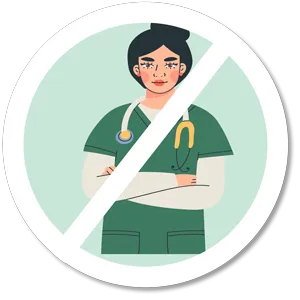
WHAT WAS CUT: Congress slashed Medicaid by $1 trillion; most cuts will be phased in between 2026 – 2028.
WHY IT MATTERS: Nearly 80 million Americans—including 38 million children and 1 in 10 education support professionals—receive health care coverage through Medicaid and the Children’s Health Insurance Program.
HOW IT AFFECTS STUDENTS: The Congressional Budget Office estimates that 16.9 million people will lose their health coverage by 2034. Medicaid is also the fourth-largest source of funding for the public school system, supporting over $7.5 billion in school-based health services annually.