Published: January 12, 2026
First Appeared In NEA Today, January 2026
A new report by Common Sense Media analyzed how boys’ self-esteem is often impacted by their exposure to specific types of content featuring “digital masculinity.” This content may reinforce specific gender roles or cover anything from getting fit and building muscle to making money to fighting or using weapons.
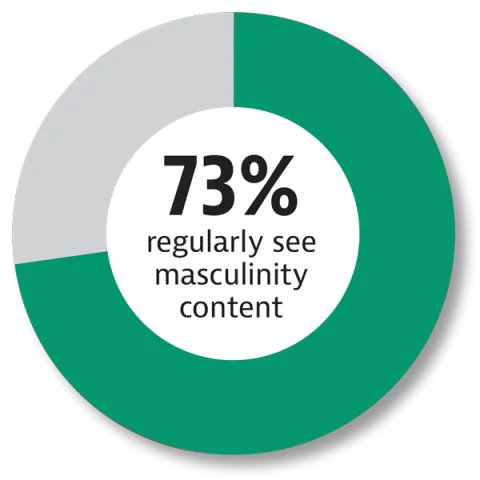
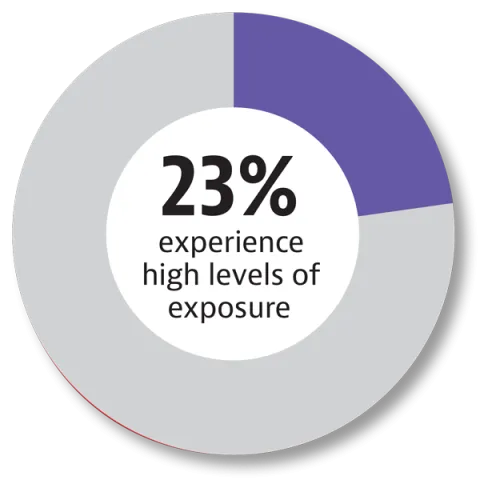
According to the report, nearly three-quarters of boys regularly encounter such content, and nearly one in four experience high levels of exposure.
The report found that boys with high exposure to digital masculinity are more likely to report they feel “useless at times,” think they’re “no good,” and are more likely to report being lonely.
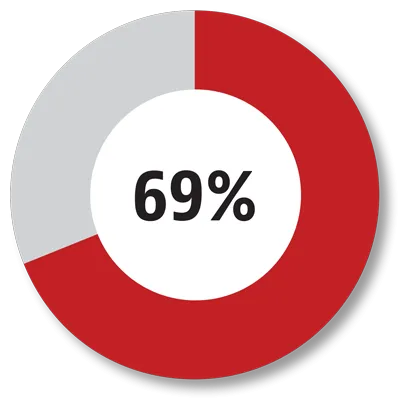
In addition, over two-thirds of adolescent boys regularly see masculinity content that promotes stereotypical gender roles. And exposure increases with age—older boys (14–17) are much more likely to view this content than younger boys (11–13).
How do boys find this content? They’re not searching for it. According to the report, more than two-thirds say it just started showing up in their social media feeds, while 1 in 4 say friends shared it with them, usually through TikTok, YouTube, or Instagram.
Want to know more? Read our story, “What’s the Recipe for Reaching Boys?”
Percent of boys who see masculinity-related content:Percent of boys who see masculinity-related content: |
|
|
| Percent of boys who see masculinity-related content that promotes problematic gender stereotypes: |
|
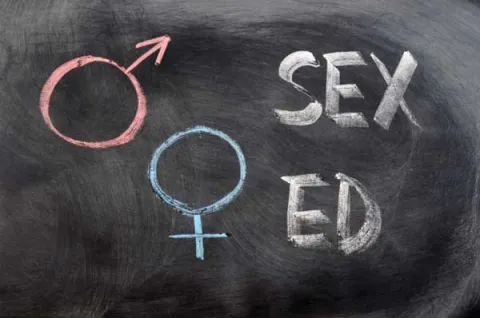
How sex education should be addressed in classrooms has always been a political minefield, but efforts to limit what is taught have accelerated over the past couple of years. As of fall 2025, more than 650 bills on the topic had been introduced in state legislatures, according to the Sexuality Information and Education Council of the U.S., a nonprofit organization advocating for comprehensive sex education. Of those bills, nearly one-quarter sought to pare back or remove access to sex education—a 35 percent increase in these restrictive bills from the year before.
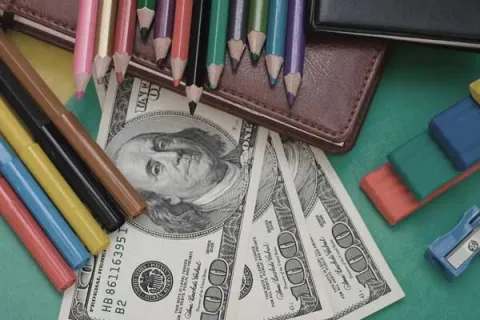
As the Trump administration’s tariffs kick in, the price of school supplies could increase by as much as 15 percent before the end of this school year, according to a report from the Groundwork Collaborative and the Century Foundation.
Roughly 90 percent of teachers pay for classroom expenses out of their own pockets. Recent surveys indicate that teachers, on average, are forking out anywhere from $500 to as much as $900 in the first two months of the school year.
And it’s not just teachers. Support staff also spend their money on classroom materials, field trips, and projects.
The 2025 – 2026 school year could be educators’ most expensive yet. According to the report, at the beginning of the current academic year, school supplies cost an average of 7.3 percent more than the previous year—nearly triple the overall inflation rate. Index cards are up more than 42 percent; notebooks are up 17 percent; binders and folders are up around 12 percent.
The tariffs on China have had a significant impact. China is the largest exporter of office and school supplies made from plastic.

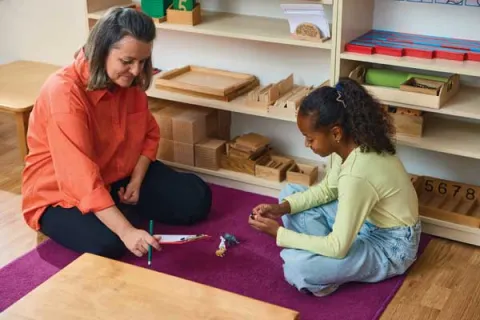
Social and emotional learning (SEL) has long been recognized as a powerful tool for student growth, teaching essential life skills, such as self-awareness, emotional regulation, and relationship-building. According to a new large-scale analysis of existing research, SEL is also beneficial to students’ academic achievement.
The American Education Research Association (AERA) reviewed 40 studies involving more than 33,700 students in grades 1–12. The researchers concluded that students who participated in universal SEL programs (provided to all students in a school) performed better on academic outcomes—including grades and standardized tests—than students who did not. Gains were reported in both literacy and math. The duration of the programs is a key factor. Those lasting more than one semester produce higher gains than shorter programs.
“Our analysis underscores the importance of explicit SEL instruction in schools,” says Christina Cipriano, associate professor at the Yale School of Medicine and leader of the AERA research team. “These programs should not be viewed as add-ons, but as essential components of all students’ school experiences.”
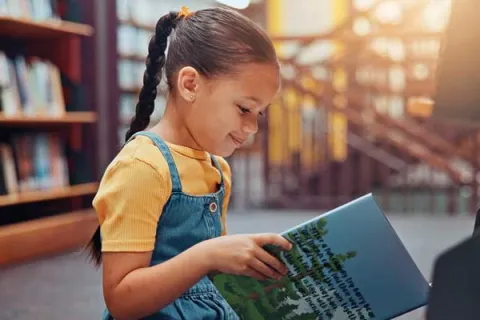
Most people have to read—but too often it’s an activity limited only to school or work. Reading for pleasure, on the other hand, has long been recognized as a critical factor in supporting mental health and creativity, not to mention lifelong learning. But, according to a new study from the University of Florida (UF) and University College London, reading for pleasure has declined by more than 40 percent over the last 20 years.
“Reading has historically been a low-barrier, high-impact way to engage creatively and improve quality of life,” says UF’s Jill Sonke, a co-author of the study. “When we lose one of the simplest tools in our public health tool kit, it’s a serious loss.”
There are a number of factors behind this decline, Sonke explains. “Our digital culture is certainly part of the story. But there are also structural issues—limited access to reading materials, economic insecurity, and a national decline in leisure time. If you’re working multiple jobs or dealing with transportation barriers in a rural area, a trip to the library may just not be feasible.”