Across the United States, educators are preparing students for a future that is rapidly evolving. At the same time, industries critical to the nation’s infrastructure and security in the U.S. Navy’s Submarine Industrial Base (SIB) are facing an urgent workforce challenge. Over the next decade, hundreds of thousands of skilled workers will be needed across more than 20,000 companies in all 50 states.
This moment sits at the intersection of education, workforce development, and expanding access to opportunity.
For PreK–12 educators, it presents both a responsibility and an opportunity: to ensure that all students are aware of and able to access high-quality pathways that lead to stable, meaningful careers. One example of this in action is the Accelerated Training in Defense Manufacturing (ATDM) program, an accelerated postsecondary training initiative that is helping to illustrate what modern, career-connected pathways can look like for today’s students.
Access to programs and opportunities like these often begin in the classroom.
Expanding the Definition of Postsecondary Success
Postsecondary success takes many forms, and today’s students benefit from understanding the full range of pathways available to them. College - across two-year, four-year, and technical institutions - remains a vital and valuable option, alongside other high-quality training opportunities that align with evolving workforce needs and provide direct connections to high-demand careers.
Programs like the Accelerated Training in Defense Manufacturing (ATDM) are part of this broad postsecondary landscape.
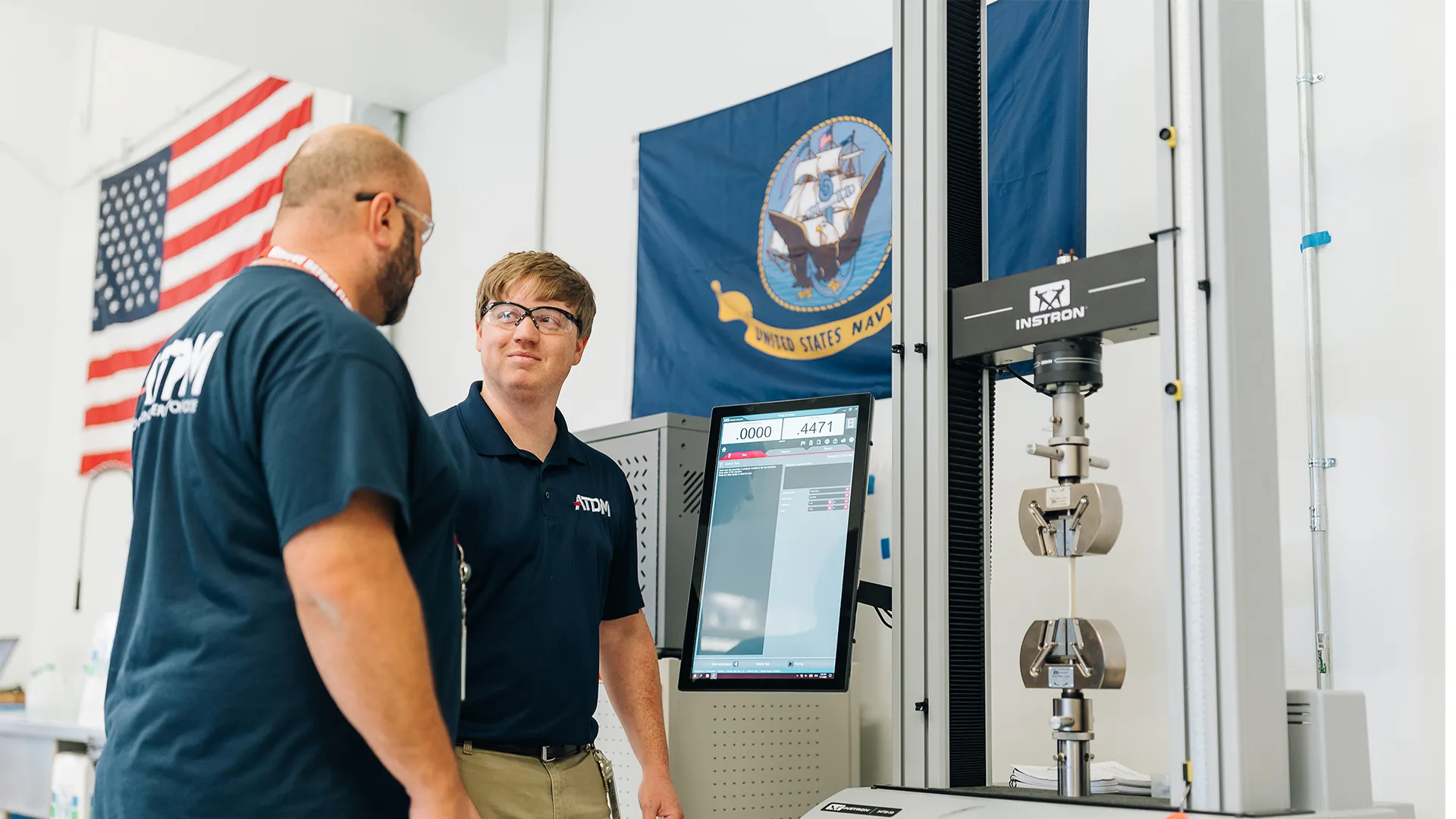
ATDM is an accelerated, postsecondary training initiative located in Danville, Virginia, offering 16-week programs in five critical skilled trades: welding, CNC machining, non-destructive testing, additive manufacturing, and quality assurance. In addition to hands-on technical training, participants receive career placement support and comprehensive wraparound services - including housing, transportation, and daily structure - allowing them to focus fully on skill development and successful transition into the workforce. Cohorts are intentionally kept small to allow for individualized, hands-on instruction and meaningful one-on-one engagement with instructors.
Designed to meet urgent workforce needs, ATDM prepares individuals with the specialized technical competencies required to build and sustain some of the most advanced systems in the world.
ATDM can serve as a direct entry point into the workforce, a complement to other postsecondary experiences, or a step within a longer education and career journey. By recognizing and elevating these multiple pathways, educators can help students make informed decisions that align with their goals, interests, and strengths.
ATDM: A Model for Access and Alignment
What makes ATDM particularly relevant for educators is not just what it teaches, but how it is designed.
The program is built in close alignment with industry, ensuring that training reflects real workforce needs. Participants gain hands-on experience, earn industry-recognized credentials, and are connected to employers who are actively hiring. Just as importantly, the program integrates career growth coaching throughout the experience, helping participants build professional skills such as communication, reliability, problem-solving, and adaptability, habits that are essential for long-term success in the workplace.
ATDM is also intentionally structured to support student success from start to finish. The program currently offers 100% Navy-funded scholarships, along with housing, transportation support, and a highly structured training environment that allows participants to focus fully on skill development. Within that structure, students practice workplace expectations daily - showing up on time, following processes, documenting work, and engaging in continuous improvement, mirroring the environments they will enter after completion.
This comprehensive approach helps ensure that participants are not only technically prepared, but also professionally ready to contribute on day one.
For educators focused on expanding awareness of high-quality opportunities, ATDM represents a critical pathway to understand and share.
The Educator’s Role: Building Career Literacy and Connecting Students to Opportunity
Access to opportunity is not just about availability, it depends on awareness, guidance, and preparation. PreK–12 educators play a critical role in helping students understand their options and take informed next steps.
In practice, this means helping students develop career literacy, an understanding of how their skills connect to real-world industries, roles, and systems. Educators serve as connectors to programs and resources like ATDM, translators who make classroom learning relevant to future careers, and guides who support students as they explore a full range of postsecondary pathways.
This can be reinforced through small, intentional instructional shifts, such as connecting academic content to real-world applications, emphasizing problem-solving and precision, and highlighting how individual roles contribute to larger systems.
When students can clearly see how their learning applies beyond the classroom, they are better prepared to navigate their options and pursue pathways that align with their goals.
Making Pathways Visible and Relevant for Students
One of the challenges educators face is knowing where to direct students for reliable, up-to-date information about real career opportunities. BuildSubmarines.com serves as a national hub that helps bridge this gap.
The platform connects students, educators, and families to:
- ATDM program information, including training tracks and application details
- A national job board with thousands of open positions
- Career pathway exploration across advanced manufacturing and related industries
- Education resources that support classroom integration
For educators, this resource can be incorporated into career exploration activities, counseling conversations, and family engagement efforts, making pathways more visible and actionable for students.
This visibility matters. Opportunities connected to the submarine industrial base exist in communities across the country, including rural and inland areas. For students, these careers offer strong wages, long-term stability, opportunities for advancement, and the ability to contribute to work with national importance. For communities, they support economic growth and workforce development.
When educators connect students to clear, accessible pathways, learning becomes more relevant and students are better positioned to take the next step.
A Call to Action for Educators
Education has always been about more than academic preparation; it is about preparing students for life. Today, that responsibility is closely tied to the nation’s ability to build, sustain, and secure its critical infrastructure.
Ensuring students have access to information, resources, and pathways to high-demand careers is not only an economic priority, it is a national security one. Educators can take action today by exploring BuildSubmarines.com/education, a free resource connecting classrooms to real-world opportunities across the industrial base.
Programs like ATDM demonstrate what is possible when workforce development is aligned, accessible, and responsive to real needs. To see how these opportunities can support students, visit atdm.org and explore available training pathways. These opportunities only reach students if educators bring them into the conversation.
This is not about directing students toward a single path, but expanding what they know is possible. The students in our classrooms today are the future workforce that will design, build, and sustain the systems that support our nation.
The role of educators is not to decide their path, but to ensure they can see it—and to introduce them to the resources that can help them get there.