Key Takeaways
- Exposure to diversity reduces stereotypes and helps students thrive in a diverse world, even in homogenous schools.
- For students from historically marginalized communities, even small gestures can matter.
- Despite political and cultural constraints, educators say diverse lessons remain essential to their curriculum.
On a small island off the coast of Rhode Island, seventh graders at Lawn Avenue School, in Jamestown, performed a puppet show late last year about children fleeing war in Sudan. The students—most of them white, many of them classmates since kindergarten—had spent 10 weeks reading the “Lost Children of Sudan,” researching Sudanese names, and grappling with what it meant to retell a story rooted in displacement and survival.
Families filled the cafeteria for the show. The class raised more than $150 for an organization building wells in Ghana.
“Text is one of the best way to get at someone else’s experience if you can’t experience it yourself,” says Brittany Ahnrud, a seventh-grade English teacher at Lawn. “I am a white, upper-middle-class woman, and I wasn’t exposed to this kind of [information] until I was in college … for me, it’s really important to expose students to things beyond the island.”
Why this matters
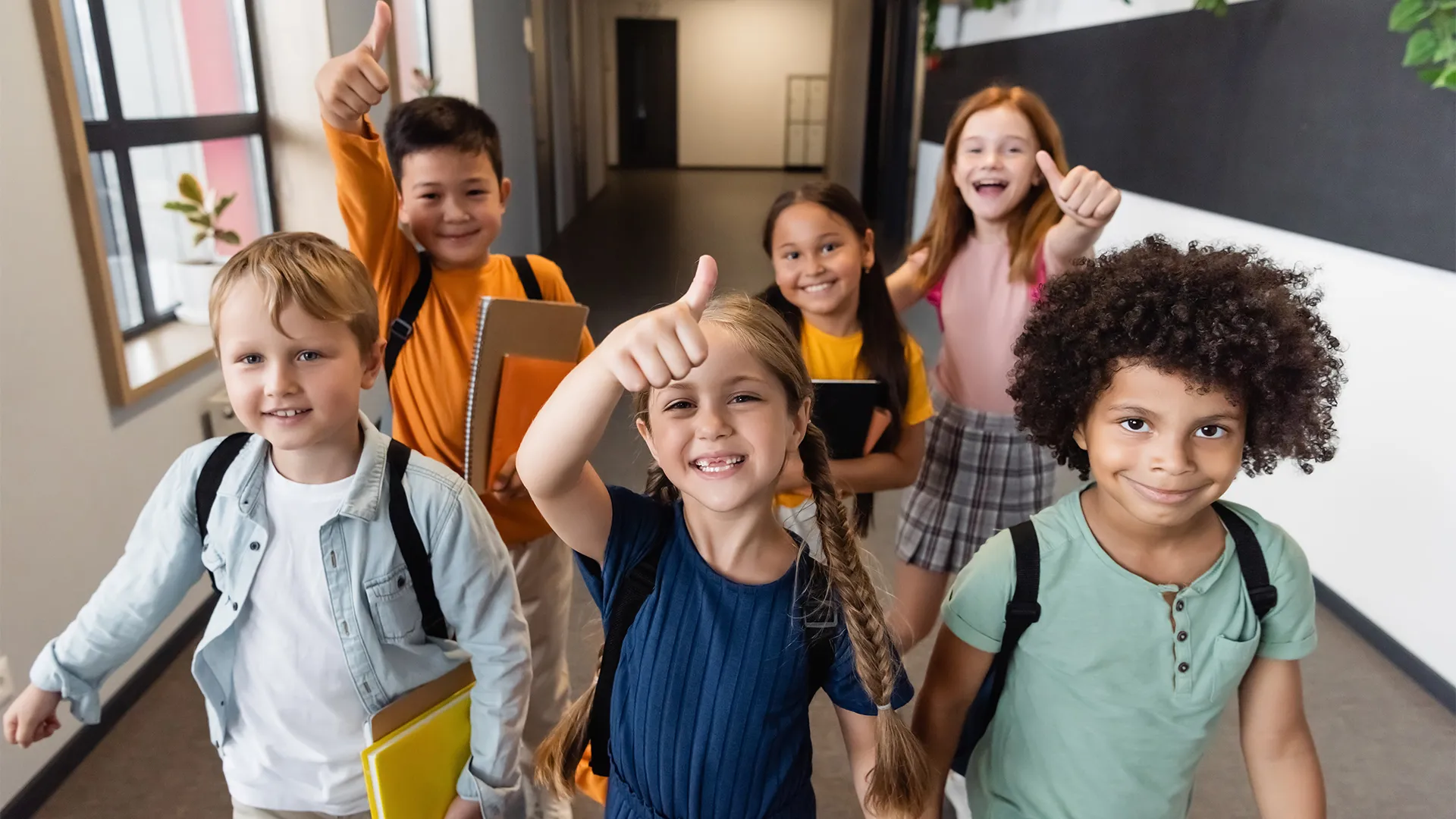
Lessons like the one Ahnrud described are unfolding in classrooms across the country, where schools may look increasingly out of step with the nation’s changing demographics. More than one-third of U.S. public school students attend schools where at least 75 percent of their peers are of the same race or ethnicity, according to the U.S. Government Accountability Office.
Even as the nation’s overall student population becomes more racially and ethnically diverse, schools often remain segregated by race and ethnicity.
Researchers have found that meaningful exposure to diversity, through curriculum, connections, and discussion, can reduce stereotypes and better prepare students for civic life and the workforce, even when schools themselves remain largely homogenous.
Jamestown’s schools are overwhelmingly white. “If there are any people of color in a grade, you can count them on one hand,” says Amanda Bridges, a math teacher at Lawn.
That reality, educators say, makes teaching about diversity, identity, and inclusion important.
When ignorance masks as humor
In homogenous schools, the Rhode Island educators say the absence of diversity shows up as ignorance that’s sometimes masked in humor.
“That’s what we struggle with the most, especially in the seventh-grade level,” says Ahnrud. “Making jokes about each other's race or gender or sexual identity and not realizing the context and the history.”
Some students, Bridges adds, often repeat what they see online or hear at home without understanding the weight of those words. Ignoring those moments sends the wrong message.
Quote byAmanda Bridges, a math teacher in Rhode Island.

For students who already feel different, even small gestures can matter. Bridges recalls a Jewish student who went home “overjoyed” after an advisory period—a dedicated time for a small, consistent group of students to interact with a teacher to discuss school and personal concerns—focused on an activity to learn about Passover.
“I got a message from her mom about an hour after school, saying that she came home and was just overjoyed that we had taken the time to celebrate,” she says. “Even if it’s only one kid, she heard us.”
Windows in a world of mirrors
For some teachers in homogenous communities, the challenge is how to introduce difference without turning it into a show.
“We want the kids to have the exposure, but not for it to be forced or performative.” Bridges says.
Bridges and Ahnrud rely heavily on curriculum approved by their district, both for quality and protection. The district’s state-approved English language arts curriculum, for example, opens the school year with lessons on Sudan, which also builds on a previous unit in the 6th grade English curriculum where students read a book centered on a protagonist from Malawi.
“This first unit I love to teach because it opens the door to talk about people from Africa. When we did a ‘what do you think of … ' Africa activity, historically it was all negative,” Ahnrud says. “This year, for the first time, the kids were more positive,” she says, noting that earlier exposure to lessons about Africa helped broaden students’ perspectives and foster a more informed, open mindset by the time they reached seventh grade.
Exposure grows understanding
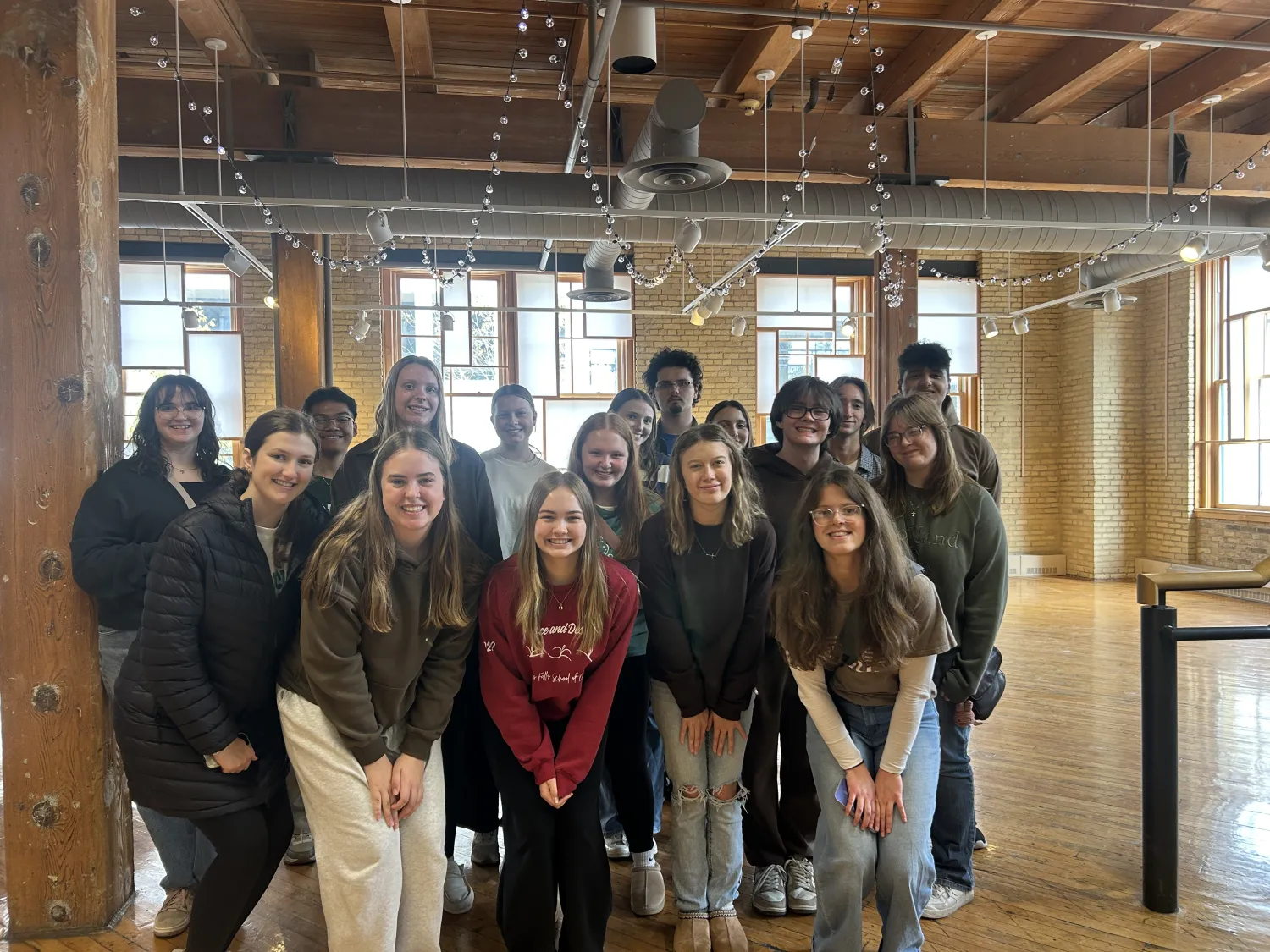
In Fergus Falls, Minnesota—a rural town of about 14,000 people that is more than 90 percent white—Melinda “Mindy” Christianson, who went to school in Fergus, decided exposure couldn’t stay confined to the classroom.
With support from her principal, Christianson added an intercultural communication course modeled after one she took in college and wished she’d had the opportunity to take before leaving her hometown. As part of the course, students travel an hour north to Fargo, N.D., where they speak directly with new Americans and visit international markets.
“They lose some of those stereotypes and assumptions they had,” says Christianson, who teaches college-level English and communication courses at her high school.
Belonging for all
While homogenous schools may appear uniform, difference still exists.
In Boise, Idaho, Cassie McBean is a junior high music teacher who works in a district with a large Latter Day Saints population and a mostly white student body. “Because we have such low populations of students of color and LGBTQ+ students,” McBean says, “I see those students getting targeted more.”
For her, inclusion starts with visible signals: “Everyone is Welcome Here” posters, a safe space sticker on her classroom door, and music choices that go beyond what students already know. "If students aren’t feeling safe or comfortable or connecting to teachers,” she says, “they won’t feel safe at school.”
McBean is deliberate about representation, especially when teaching music from other cultures. “There’s a fine line,” she says, “between honoring it right and making a joke out of it.”
Teaching through tension
Across states, educators describe navigating political and cultural restraints while trying to center students’ well-being.
In Idaho, where lawmakers have passed restrictions on classroom discussion of identity, McBean says, “I think it’s just being afraid to do what I want … for my students.”
In Rhode Island, Ahnrud cites the importance of centering the approved curriculum and making shifts based on data and conversations with colleagues and administrators who understand the needs of the students.
Rather than stepping away from the work, educators say these challenges reinforce the importance of continuing it with care and intention.
“You have to make yourself okay with having uncomfortable conversations,” Bridges says. “And you also have to examine your own biases.”
Beyond the bubble
For many educators, the motivation is simple: Students won’t stay in these bubbles forever.
“There’s a very small chance that they’re not ever going to leave their immediate environment,” Bridges says. “They need to be able to work with people and see different perspectives.”
Even for students who never leave, teachers argue the work still matters.
“Some of them never will leave this town and that’s totally fine,” says Christianson. “But most of them will end up going to college … and being prepared before they get there matters.”
What educators hope students carry forward is openness more so than agreement.
“Different isn’t bad,” says Bridges. “Different is just different.”
In homogenous schools, fostering belonging is about making sure that when students finally encounter difference—whether in a college classroom, a workplace, or a grocery store—they do so with curiosity instead of fear.
As McBean put it, “Be open and listen to your students. [They’ll] say a lot without saying anything at all.”