Published: February 20, 2026
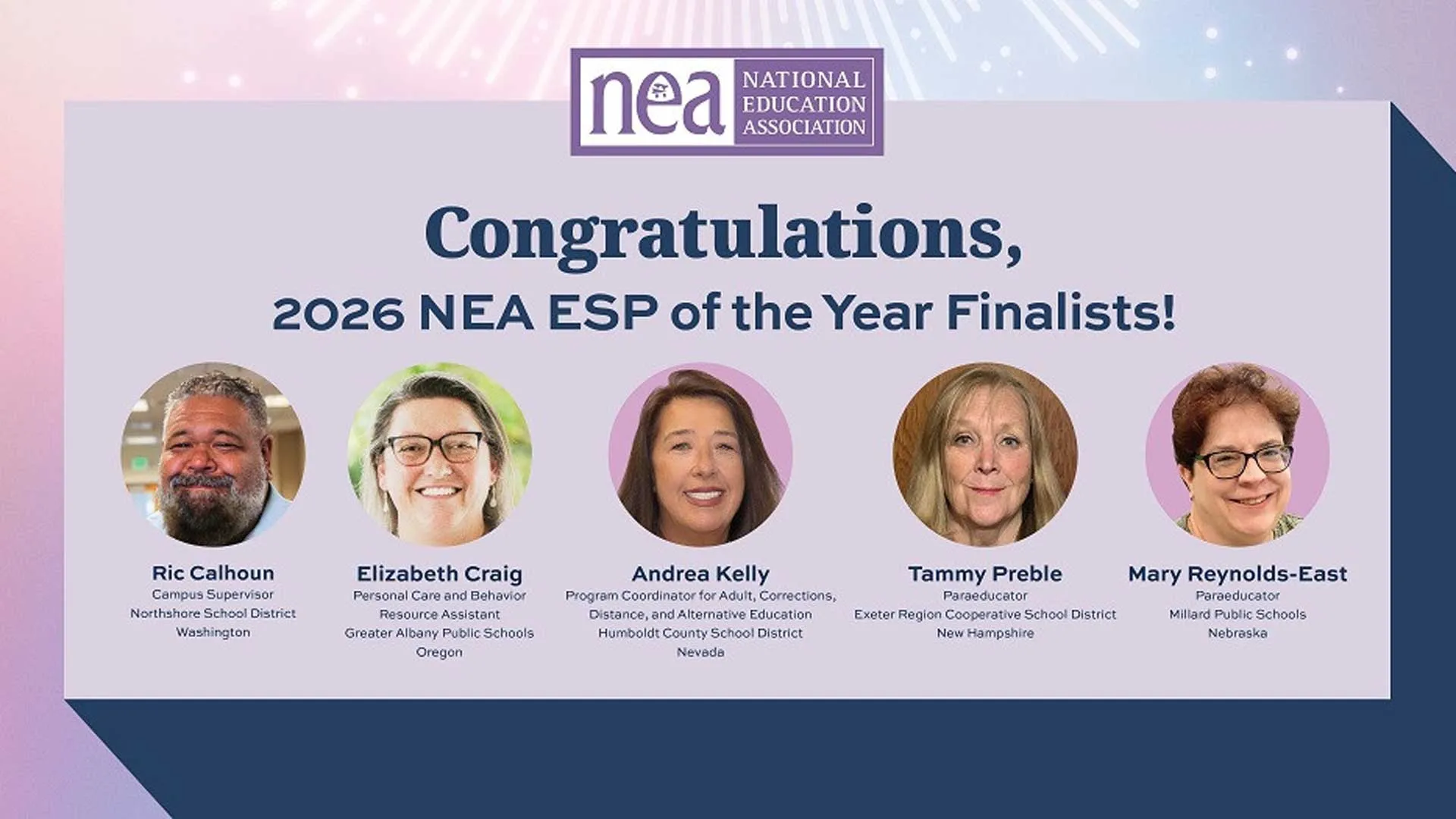
The five finalists for NEA’s Education Support Professional (ESP) of the Year demonstrate what it means to serve the 90 percent of America’s schoolchildren every day. Forming the backbone of our nation’s schools, they lift up their students and communities and ensure that ESPs get the respect they earn and deserve.
- Ric Calhoun, Northshore Education Association, WA
- Elizabeth Craig, Greater Albany Association of Classified Educators, OR
- Mary Reynolds-East, Millard Education Association, NE
- Andrea Kelly, Humboldt County Support Staff Organization, NV
- Tammy Preble, Exeter Cooperative Paraprofessional Association, NH
Stanley “Ric” Calhoun, Northshore Education Association, WA
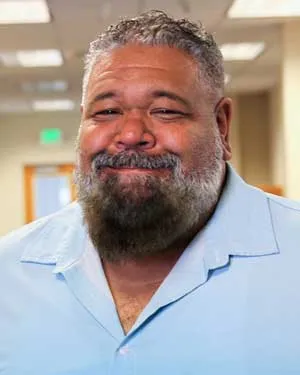
As a campus supervisor at Inglemoor High School, Calhoun is intentional about making sure all students feel safe, seen, and supported both emotionally and physically.
“My daily interactions go beyond supervision,” he says. “I greet students by name and build trust through consistency. This visibility has created a culture where students feel comfortable approaching me with concerns, knowing they’ll be heard and respected.”
An Advocate for Inclusion
One of his most impactful initiatives was launching a racial justice video project, where students of color and other marginalized groups shared their lived experiences in the Northshore School District.
“These videos opened a direct dialogue between students and staff, fostering empathy and awareness around race, religion, sexual orientation, and ability,” Calhoun says. “It prompted colleagues to examine their own practices and engage more thoughtfully with marginalized students. It helped staff better understand how their actions affect student well-being and created space for healing and growth.”
As a football coach and strong advocate for inclusion, Calhoun led efforts to expand Unified Sports under the Special Olympics umbrella.
“We brought together students with and without disabilities, fostering friendships and breaking down stigma,” he says. “This work has significantly improved social-emotional well-being, allowing students with disabilities to participate fully in school life”.
His goal is clear: to create a safe and welcoming environment not just to respond to incidents, but to prevent them by building relationships. Students now stand up for one another, he says, and bullying has decreased. They know they can trust Calhoun and other staff who engage with them positively, which extends to student families.
“I’ve always believed that supporting students means supporting their families and the broader community and my work extends beyond the school day and beyond the school walls, rooted in a commitment to connection, compassion, and service,” he says.
Recognizing that some students face food insecurity during breaks, he organized weekly snack deliveries to local neighborhoods. Staff donated funds, and Calhoun personally delivered a mix of healthy and fun snacks not just to high school students, but to their siblings and families.
“The program builds trust and familiarity, especially for younger siblings who would later attend Inglemoor, and helped staff better understand the realities many families face,” he says.
Equity-Focused Leadership
Calhoun’s union activism has been driven by a deep commitment to elevating the role of Education Support Professionals (ESPs) across Washington. As Vice President for ESPs in the Northshore Education Association (NSEA), and Chair of the WEA ESP Bill of Rights Subcommittee, he’s worked to strengthen the professional stature, stability, and effectiveness of ESPs through organizing, advocacy, and equity-focused leadership.
“One of my most impactful contributions is leading the development of the ESP Bill of Rights, a statewide campaign that outlines the essential conditions ESPs need to thrive, professional pay, access to training, job security, and respect,” he says. “This initiative has helped shift the narrative around ESPs, positioning us not just as support staff, but as essential professionals whose work directly impacts student success. It has also informed bargaining strategies and legislative advocacy aimed at improving wages, benefits, and working conditions.”
Locally, he has helped organize one of the highest union membership and WEA-PAC contribution rates in his district. He also serves on multiple bargaining, labor-management, and equity teams.
Calhoun says equity is central to his union engagement. He helped establish affinity groups for BIPOC and LGBTQ+ members and successfully bargained for regular meetings with his district’s Racial & Educational Justice Department, improving representation, fostering inclusive workplaces, and strengthening the support systems available to ESPs.
“As a multiracial man, I bring an intersectional lens to every role I hold. I advocate not only for racial justice, but also for individuals with disabilities, LGBTQ+ staff, and others whose voices are often overlooked,” he says. “My activism is grounded in the belief that every ESP deserves to be seen, respected, and supported and that our collective strength lies in our ability to organize, uplift, and lead.”
Whether through direct mentorship, union activism, or equity initiatives, he works to create a professional culture where ESPs and other staff feel valued, empowered, and equipped to succeed.
“At the end of the day, my job as Vice President for ESPs, Northshore Education Association (NSEA) is about showing up, listening, and taking action whether that’s helping a colleague navigate a tough situation, pushing for better working conditions, or building a stronger, more inclusive union.”
Calhoun is professional relationship builder, says Kim Leatherman, a fellow ESP colleague and friend.
“Ric has known and seen the impact on students who are not culturally represented by their educators. As the demographics of educators at his school has become more diverse, Ric has built a close network of BIPOC educators at his school. This is a double win, creating a sense of belonging and connection for students and staff.”
A Gentle Soul with Fighter Instinct
He is widely known and well liked in the ESP community and beyond, but his gentle nature belies his tough fight for equity and justice, she says.
“Do not let Ric Calhoun’s kind, calm Teddy bear, disposition fool you. When it comes to his family, his students, his colleagues and his sense of what is right and just, Ric is a fierce advocate who takes every opportunity to be of service,” says Leatherman, a paraeducator in Calhoun’s district. “Ric may have joined the union after I did, but his dedication and involvement, at many levels in our education associations, has made him my union big brother. He has helped and encouraged me, and countless others, to get involved and stay engaged in the work of supporting public education.”
Elizabeth Craig, Greater Albany Association of Classified Educators, OR
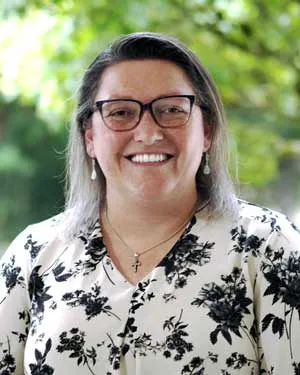
Elizabeth Craig, a personal care assistant and behavior resource assistant at Meadow Ridge Elementary School in Albany, OR, is the seventh of ten children, born into a family struggling with deep poverty where adults often chose addiction over their children’s basic needs. But she is grateful for the support she received from her educators.
“The educators who showed up for me and my siblings left a lasting impression; they cared for us when others could not. Their compassion inspired my path as an educator and shaped my commitment to meeting students with the same love and dignity I once received,” Craig says.
When she began working at her school’s behavior center, she realized she could connect with some of the most challenging students in ways others could not.
“I recognized their pain, frustration, and trauma because I had lived through similar experiences,” she says. “My first responsibility was to learn how to support each student individually, and then to teach educators around our district’s schools how to do the same with empathy, patience, and compassion.”
Over time, students who once resisted school began to look forward to coming. Their success was not only in academics but also in social-emotional growth, resilience, and belonging.
A Model for Reaching Students Through Compassion
At the same time, Craig discovered the capacity of educators who didn’t initially see themselves as capable of reaching these students. By modeling compassion-based strategies and showing what was possible, she helped unlock their ability to form authentic, supportive relationships.
“Schools began requesting that I lead trainings on replicating these approaches. I was asked to model adult behaviors that foster equity, healing, and consistency for our most vulnerable students. Through this work, I helped staff learn to see every student with the same dignity and to respond with fairness rather than judgment,” Craig says.
She was invited by district leaders to lead professional development, develop curriculum centered on social-emotional learning (SEL), trauma awareness, poverty, and cultural responsiveness. She was often brought in early when a student was identified as needing additional support so plans could be designed to minimize re-traumatization and maximize positive outcomes for both the student and the adults working with them.
She worked collaboratively with administrators, classroom teachers, specialists, and families to repair relationships, reduce conflict, and prioritize student well-being.
“These efforts have not only improved individual student outcomes but also shifted mindsets across schools. By focusing on equity, trauma-informed practices, and culturally responsive teaching, I have helped change systems that once isolated students into ones that embrace them with care, dignity, and opportunity,” Craig says. Students feel seen and supported, and educators feel empowered to respond with compassion.”
A Helper for Students and Union Members
Craig describes her union journey as both unexpected and life-changing.
“I have always been a helper, driven by a lifelong commitment to children and to fairness, but I didn't necessarily see myself as an advocate for adults,” she says.
In her first year as an ESP, she asked why there seemed to be such inequities between certified educators and ESPs. Too often, she heard people say, “We don’t matter as much,” or “Certified roles are more important than ours.”
“I knew from my own work that this was not true. ESPs are just as essential, and I refused to accept a narrative that diminished our value,” Craig says. “I began speaking uplocally and soon expanded my voice at the state level. I joined committees and boards to ensure ESPs were represented boldly and confidently at all levels.”
That led Craig to the Oregon state capitol, where she has testified repeatedly, often carrying laminated photos of ESP workplace injuries to highlight the risks they endure and the value they bring.
Breaking Down “Us vs. Them” Mentality
Craig says equity is at the heart of union work. ESPs are disproportionately women and people of color and undervaluing their roles perpetuates systemic inequities in education. By demanding fair wages, safe working conditions, and respect, Craig and her colleagues are directly advancing real justice for all.
She also works hard to break down the “us vs. them” narrative between certified staff and ESPs.
“During our certified siblings’ three-week strike, we stood beside them every day. Our solidarity was a statement to everyone that we are all educators, equal in dignity, with different roles but the same mission,” Craig says. “That unity not only strengthened their fight but also lifted our own visibility and professional stature.”
Her union activism is rooted in collaboration. She helped build powerful partnerships with our certified association, showing up for them and finding common ground. At the state level, I have worked with both Democratic and Republican lawmakers, advocacy organizations, and fellow ESP leaders across Oregon.
“I tell lawmakers: ‘If I have 10 problems, and you agree with me on 8, let’s fix those 8 together.’ That willingness to collaborate has brought real wins f or ESPs across the state,” she says.
One massive win was the adoption of summer unemployment qualification for ESPs in Oregon.
“We have won better pay, stronger protections, and a new level of respect. More importantly, we have shifted the narrative: ESPs are not “less than” our certified colleagues. We are equals, educators who play different but equally vital role,” she says. “Our fight is far from over, but our progress shows what is possible when ESPs refuse to be silent and instead stand together with courage, compassion, and conviction.”
A Union Force to be Reckoned With
When Craig became president of the Greater Albany Association of Classified Educators nearly two years ago, she vowed never to settle for poor treatment and always to hold management accountable.
“We secured a new pay structure where some members received wage increases of up to 22%. We filed and won unfair labor practices, grievances, and OSHA complaints, exposing mistreatment and removing administrators who had engaged in abusive practices for decades,” she says. “These actions restored trust, retained dedicated ESPs, and showed colleagues that they are protected, valued, and respected in ways they had not experienced before. In less than two years, our union has grown from stagnant to a force to be reckoned with.”
Today, the union’s 650+ ESP members have new-hire orientations, a half-day professional development session at the start of the school year, heat illness protections, and district-paid leave for the first three days of any student-caused injury.
“Our members now see themselves as professionals who matter, and they tell us often how different things feel,” Craig says. “Our ESPs deserve dignity, our schools deserve stability, and our students deserve the best education possible. I have failed at very few things in life, and I will not fail here.”
Craig’s leadership style is rooted in authentic connection, says Dana Lovejoy, president of the Greater Albany Education Association.
“She listens deeply, fosters open dialogue, and uplifts her members,” Lovejoy says. “She has given colleagues the courage to speak up about unsafe or unjust conditions in a workplace culture where many had previously stayed silent out of fear. Time and again, she has stood beside members navigating difficult situations, ensuring they were supported and that justice was pursued.”
When Lovejoy’s union entered into a high-stakes contract negotiation that culminated in the district’s first strike in nearly 40 years, she said Craig’s solidarity was unwavering.
“She organized her members to join us, and together they attended every rally and event. Her leadership made visible the true meaning of solidarity—support across roles, job titles, and bargaining units—all in service of the students and communities we serve.”
Mary Reynolds-East, Millard Education Association, NE
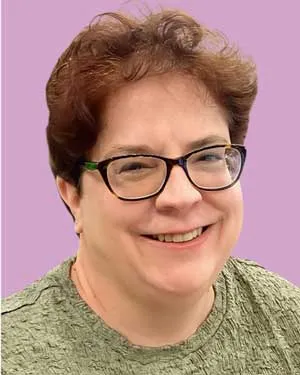
Paraeducator Mary Reynolds-East works with students one-on-one in reading at Holling Heights Elementary School. Most of her students require a little extra practice to gain confidence in their abilities, but sometimes there are students who are mostly in need of a positive connection to a trusted adult.
“Their parents may not have the time to practice with them at home,” she explains. “I often think of a first grader who didn’t have stability in his home situation, and at times he and his family were homeless.”
Four days a week, East provided him with a safe, caring space to read. Not because he wasn’t already a good reader, but because he needed a connection. His teacher knew that East could be that person for him and asked her if she would work with him. She gladly agreed.
“Each time I came into his classroom to get him, he got the biggest smile on his face, would grab my hand and off we’d go to the library to pick out a book for our reading time,” East recalls.
Passion to Make Positive Changes
Providing reading support and being a trusted adult is one way East impacts her students each day, but she also found a way to make an impact on the whole school community and their families during lunch duty. It started when she noticed how much good food was being discarded each lunch period.
“The sight of perfectly good food being discarded in our school ignited a passion within me to make a change to help our community,” she says.
Holling Heights is a Title I school where she says students and families are facing unprecedented obstacles to feeding their families. East knows students cannot learn unless their needs are being met, the most basic of which is access to healthy, affordable food.
“I felt compelled to act, determined to redistribute as much as possible to avoid the waste,” she says.
She partnered with Lynda Laird, a fifth-grade music teacher, to “rescue” food in our school like apples, bananas, and unopened packages of things like Goldfish or pretzels and offered them as snacks for later in the day. On Fridays, a basket with all the food from the week was offered to students to take home for the weekend.
East is now working to expand the program to include perishables like yogurt, cheese sticks, and milk. Last summer she began researching food rescue models and developed a comprehensive plan that was approved by the principal. Now she’s working on a presentation for the entire school on how to share the abundance from lunch periods within the school community.
“Teachers Cannot Do their Jobs Without You”
East brings that same passion to her work in union engagement and activism. She began her union journey with the Education Paraprofessionals Association of Millard (EPAM). As vice president during negotiating a contract in 2021, she asked Millard Education Association president Tom Royers for help. The time was right, he told her, for the groups to merge for the benefit of all.
“When I asked him why the teachers would support us without obvious immediate returns, his answer resonated deeply: ‘Teachers cannot do their jobs without you,’ he stated, emphasizing their demand for better contract considerations for ESPs,” East recalls.
When the vote was taken 99.1 percent of the paraeducators in the district voted for the merger.
“Returning to the negotiation table, I felt the palpable confidence and power of collective union support. We consistently secured significant advancements for paras, not only in pay but also in clearer contract language and improved working conditions,” East says. “Union means never being alone.”
As a leader of her union, East has bargained for some of the most significant wage increases for paras, implemented a system for longevity pay increases and clarification of contract language so paras would receive pay when they needed it for snow days or remote learning days. At the state level, she has been a voice for ESPs through lobbying at the State Legislature and making connections at State Senator Dinners. She was recently elected as ESP At-Large Member to the Nebraska State Education Association Board, where she plans to work for a state ESP Bill of Rights and the right to collective bargaining for all educators.
A Relentless Advocate for ESPs
“As a leader in both her local, and now the state organization, Mary is relentless in making sure we center our conversations around treating ESPs as vital members of our school buildings,” says MEA president Tim Royers. “Every time she has received recognition, she immediately attempts to deflect the praise to her union siblings. She never wants to be in the spotlight or take credit, she just wants to see things get better. It is that combination - her capacity to get results, along with her complete and utter lack of ego - that makes her an incredible example of the kind of union advocate we need for ESPs across the country.”
Andrea Kelly, Humboldt County Support Staff Organization, NV
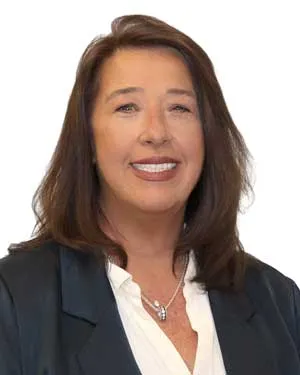
Andrea Kelly believes in the transformative power of education, for anyone at any stage in life. For more than a decade, she has served as Program Coordinator for Adult Education, Distance Learning, and Alternative Education in Nevada’s rural Humbolt County School District.
She works in the Options Educational Center, which is officially open on weekdays. But to remove barriers, Kelly opens the center evenings and weekends, making testing and tutoring accessible for students who work or have families.
She also mentors 16–17-year-olds who struggle in traditional settings, guiding them toward graduation and encouraging them to pursue higher education or career pathways.
“Many of these students—some homeless, from unstable homes, or with incarcerated parents—have earned their diplomas and gone on to careers in nursing, law enforcement, the military, and engineering,” she says.
Kelly also partnered with the 6th Judicial Court and the Humboldt County Sheriff’s Office to provide educational opportunities for individuals in drug court and who are incarcerated. She launched the county’s first inmate education program, resulting in multiple graduates and offering participants hope, stability, and a path forward.
Everyone Deserves a Chance at a Better Future
“Through these efforts, I strive to create a safe, supportive environment where every student, regardless of circumstance, has access to education, encouragement, and the tools to build a better future,” she says.
She reaches out to local businesses to schedule interviews for graduating students, helps them write resumes, and even assists with haircuts, laundry, or obtaining professional clothing through community donations so they can present themselves confidently to employers.
In some cases, she even babysits children so that parents can focus on completing their exams.
Working closely with students, including one-on-one tutoring, her facility has celebrated many amazing success stories, but Kelly says one of her favorites is about a young man named Sergio.
“Sergio came to us with only a 4th-grade education. He was working as a day laborer but wanted to improve his family’s life,” Kelly recalls. “With dedication and determination, he showed up every day after work to study. His hard work paid off—he passed the HiSET exam! Sergio didn’t stop there. He continued studying for two more years and earned his Adult High School Diploma.”
After graduation, Sergio gained employment with a Nevada gold mine. Recognizing his potential, the company put him through an electrical engineering program. Today, Sergio works at their power plant, earning over $70 per hour.
“He has become a productive member of his community and has dramatically improved the lives of his family,” Kelly says with pride.
Elevating ESPs: Essential to Student Success
Over the past five years as president of the Humboldt County Support Staff Organization (HCSSO) and nearly two years on the Nevada State Education Association Board of Directors, Kelly has worked tirelessly to elevate the role of ESPs both locally and statewide.
“Through advocacy, negotiations, and direct action, I have helped ensure that ESPs are recognized as essential contributors to student success and treated with the dignity and respect they deserve,” she says.
She represents ESPs at the state legislature, advocating for better pay and fairness in retirement benefits and served as a stakeholder on the Attorney General’s Immigration Committee, bringing ESP voices into critical policy conversations.
At the bargaining table, she secured flextime, ending the long-standing practice of requiring ESPs to donate unpaid time before and after school. Now, administrators must compensate ESPs fairly, either with pay or time, strengthening both professional stability and respect for their work.
Ensuring Union Voices Are Heard
She also fought for and won an MOU that protects the rights of union representatives.
“Previously told to “stay quiet” and only take notes, our reps now have the contractual right to actively and fully represent members on equal footing with administration,” Kelly says. “This has strengthened both member advocacy and ESP effectiveness by ensuring their voices are heard.”
Most recently, she took the fight to the national stage, traveling to Washington, D.C. to advocate for Adult Education funding. She also represented Nevada on panels in Las Vegas and Reno to train and inspire others to engage in advocacy for both K–12 and Adult Education.
“As a union leader, one of my greatest priorities has been fostering pride, unity, and respect among my colleagues across the district,” Kelly says. “When I first became active, I saw that many ESPs felt overlooked and undervalued. Over the past several years, I have worked hard to change that culture by keeping members informed, engaged, and empowered.”
Dawn Etcheverry, president of the Nevada State Education Association, says Kelly’s commitment to students is extraordinary and that she fosters a learning environment where every student feels safe, seen, and valued, regardless of background.
“Her leadership reassures students that they matter and that their goals are worth pursuing,” Etcheverry says. “She understands that student success is inseparable from family engagement. By strengthening connections with families, Annie has helped many students remain enrolled and complete their programs.
As president of NSEA, Etcheverry says she has seen that Kelly’s union leadership is grounded in thoughtfulness, a solutions-oriented mindset, and a deep commitment to equity.
“She leads by example, inspiring others to advocate with purpose. Her negotiation skills, dedication, and ability to earn the trust and respect of members are reflected in strong membership growth and participation. Her activism gives others the courage to stand up for their rights and demand fair treatment,” Etcheverry says. “She does not seek recognition, she does the work because it is the right thing to do. Her unwavering dedication ensures her members know they can count on her to advocate fiercely on their behalf and hold the district accountable when needed. Annie leads with integrity, courage, and a deep sense of responsibility to those she represents. In every way, Annie embodies the very best of our profession.”
Tammy Preble, Exeter Cooperative Paraprofessional Association, NH
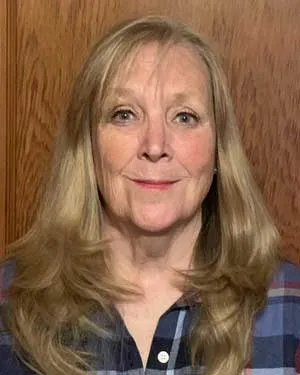
As a paraeducator Exeter Cooperative Middle School in New Hampshire, Tammy Preble works with students who often struggle with self-regulation and can feel overwhelmed in the classroom.
“I have learned that no two students are the same, and one approach will never fit everyone,” she says. “My focus is on meeting each student where they are, building trust, and creating meaningful connections that empower them to engage in learning.”
For some, that means developing academic confidence; for others, it means finding their voice or learning strategies to manage big emotions. Preble says every step forward is rooted in patience, empathy, and creativity.
Building Confidence and Breaking Down Barriers
One student she supported was a heavy metal fan. To connect with him, she listened to his music to find common ground and to show him she valued what mattered to him. After every class, we set aside five minutes to listen to a song together, helping him reset for his next class.
Another student she worked with struggled with attending classes at all. His early trauma left him shut down and unwilling to engage. By the time he entered sixth grade, he avoided nearly every part of the day.
“I knew connection was the key. I started with ghost hunts after he heard rumors that the school was haunted. What seemed like a game was actually a bridge turning the school into an adventure rather than a threat. Together, we explored the library, the gym, and the cafeteria.”
As trust grew, she added other activities and games that slowly reintroduced him to social spaces. By seventh grade, he was attending multiple classes and thriving.
Another student she supports has a different challenge. Rejection by peers often triggers anger, leading to disruptive behavior. He longed to be seen as “normal,” and resents having a para by his side.
“To honor his dignity, I circulate the classroom, so he does not feel singled out, acknowledge his feelings calmly, and quietly advocate for him behind the scenes, sharinginsight with teachers before a crisis escalates,” Preble says. “He does not always realize it, but this invisible guidance allows him to feel more independent while still supported. Over time, he has built friendships, completed full period classes and now seeks connection on his own terms.”
These stories reflect the core Preble’s work: trust built, confidence nurtured, and barriers broken down.
“This impact is transformational, not transactional. Students learn to see themselves differently capable, included and valued,” she says. “Ultimately, my impact on students lies in my belief that every child deserves to feel safe, respected, and empowered to succeed. Whether it is through music, ghost hunts, or quiet advocacy, I meet students where they are and walk with them toward where they can be. Each success—big or small—proves that with the right support, every student can grow, thrive, and transform their future.”
ESPs: The Backbone of School Communities
Her steadfast advocacy for her students extends to advocacy for fellow ESPs.
“My union work has been one of the most transformative parts of my journey as an Educational Support Professional,” Preble says. “I entered this field to support students, but I quickly realized that to create lasting change, I also had to advocate for my colleagues and the ESP workforce as a whole. ESPs are the backbone of our schools, yet our voices are often overlooked. Through my union involvement, I found both a platform and a purpose—to ensure that ESP voices are not only heard but respected in every conversation that shapes education.”
Union Activism is About Building Something Better
Being part of the union is more than paying dues or attending meetings; it is about building collective power and ensuring equity and justice guide our work, she adds.
“Through initiatives like growing Easy Pay enrollment, strengthening membership, developing a mentorship program, attending leadership training, and creating community events, I have worked to empower ESPs and elevate our profession,” Preble says.
She strives to build a sense of family among the paras in her union. They host meet-and-greet events to welcome new members, send out a monthly newsletter that shares birthdays, updates, recipes, and moments of joy, and launched a “Para of the Month” recognition with high-five pins to celebrate excellence. To ensure members have a real voice, they use Google Forms to gather input before negotiations—making sure advocacy reflects their priorities, not just leadership’s.
“These small actions build unity, trust, and pride in who we are,” Preble says.
To Preble, union activism is not about defending what exists, it is about building something better.
“Bridge-building has become one of the most meaningful aspects of my activism,” she says. “I see ESPs as the bridges connecting students, families, teachers, and the community. Each conversation about membership, each leadership lesson shared, and each effort to mentor a colleague strengthens that bridge.”
Preble entered the profession because she saw the difference one caring adult can make in a child’s life.
“What began as a job became a calling rooted in the belief that education transforms lives and that ESPs are essential partners in that mission,” she says. “Looking back, I see threads of impact woven together on students, families, colleagues, and through my union work. Each area strengthens the others because true change happens through connection, trust, and equity.”
Preble is working hard to change how paraeducators are viewed, which is often through old stereotypes. The reality is that many hold degrees, specialized training, and deep expertise.
Every paraeducator completes 50 hours of professional development every two years, yet many still work two jobs to make ends meet.
She looks at her union activism as a way to show policymakers, parents, and the public that ESPs are not “extras,” but integral educators whose presence shapes the daily lives of students. By lifting ESP visibility in statewide conversations, she aims to create a ripple effect where ESPs’ value is recognized, and the profession is strengthened for future generations.
“It is time for recognition that reflects our value with fair wages, affordable healthcare, and respect for our essential role,” she says. “When paraeducators are supported and valued, students and communities thrive. My vision inspires others to see ESPs as the heart and glue of education.”
Understanding Kids, Undaunted by Challenges
Preble is the type of person who understands kids, according to Jake Goodwin, a sixth-grade teacher at Exeter Cooperative Middle School and NEA-New Hampshire Secretary Treasurer.
“The middle school years are, at times, confusing and awkward for students. Tammy can be found at the side of students who are struggling emotionally, behaviorally and academically,” he says. “She affirms the good in each student while gently pushing each to be their best selves. She is patient and considerate; a person you would wish for your child to spend time with.”
He adds that Preble doesn’t shy away from a challenge, in her role as educator and in her union activism. She took on the role of president of Exeter Cooperative Paraprofessional Association at a time when the district had lost many paraeducators. She increased membership, successfully bargained a contract that created a minimum wage of about $20 an hour, and continues to advocate for the healthcare benefits that all ESP members deserve.
“When asked what it will take to turn things around for ESPs in the state of New Hampshire, Tammy is unabashed, ‘We need a living wage. PERIOD. We need healthcare for our families. PERIOD.’,” Goodwin recalls.
He says she looks to solve problems in a systems-oriented approach that is thoughtful and generative.
“Spend a moment with Tammy and you can see what has made her a cornerstone of our school community: she believes in people. She believes that students can gain the skills they need to live independent and fulfilling lives, she believes in the partnership between teachers and paraprofessionals as a team for creating the schools we need, and she believes in bringing her whole heart to everything she does,” Goodwin says. “Simply said, Tammy is real. She is real in her kindness. She is real in her advocacy. She is real in her approach to speaking up for those in our community who too often have been left out.”

We Want to Hear from You
Do you have a story to share? Or some feedback for the NEA Today team? Click on the link below to contact us.
Get more from
We're here to help you succeed in your career, advocate for public school students, and stay up to date on the latest education news. Sign up to stay informed.

Great public schools for every student
The National Education Association (NEA), the nation's largest professional employee organization, is committed to advancing the cause of public education. NEA's 3 million members work at every level of education—from pre-school to university graduate programs. NEA has affiliate organizations in every state and in more than 14,000 communities across the United States.