Telehealth boosts attendance at rural North Carolina elementary school
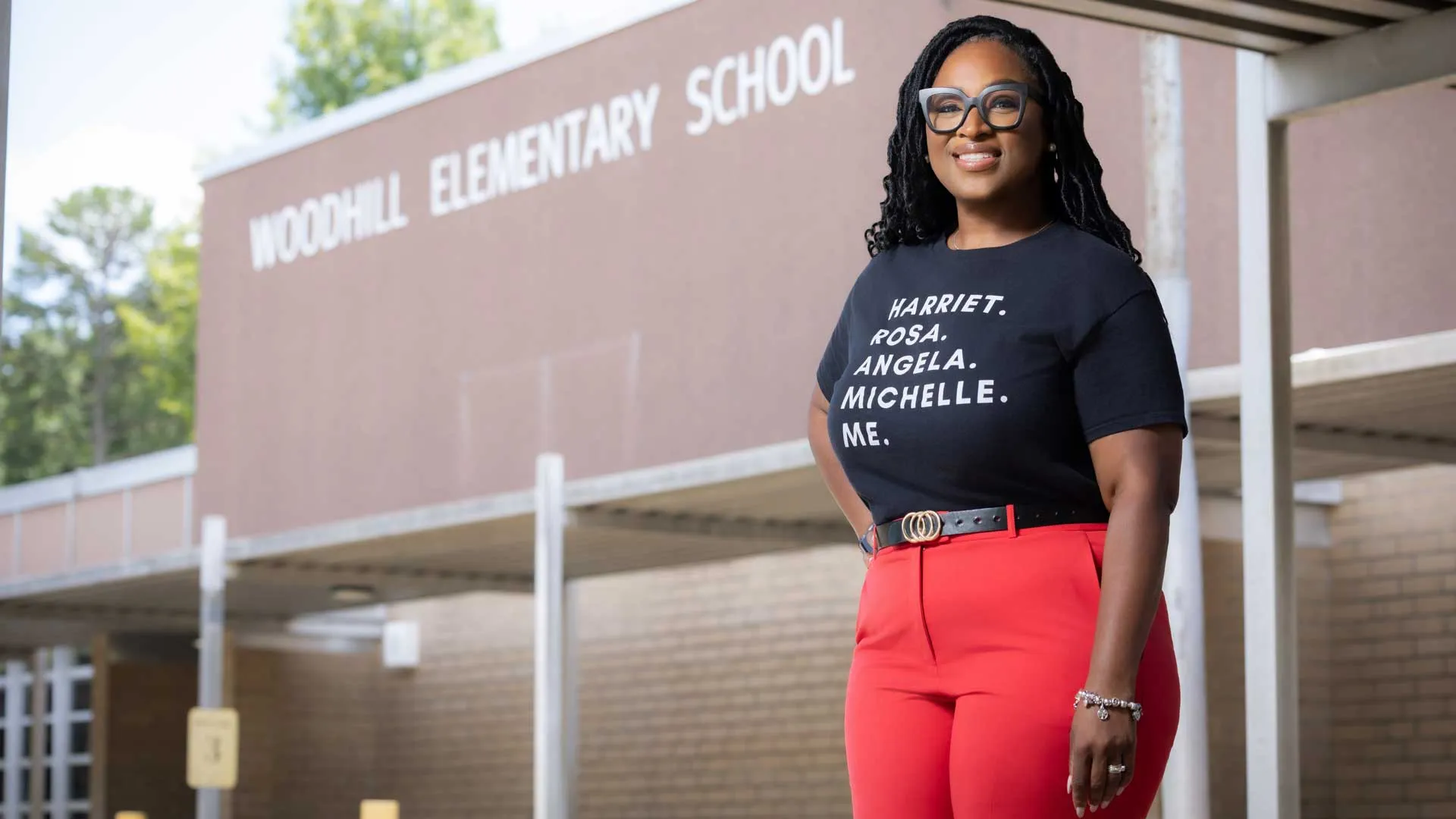
Cherie Feemster is the first face every student sees when they get to school. The dean of students at Woodhill Elementary School, in Gastonia, N.C., makes sure to stand at the entrance of the building to greet every student as they arrive.
Feemster sometimes senses how a student is feeling when they walk in the door. And if they go to the nurse’s office, she helps connect them to a medical provider right there at school. Gaston County Schools launched a telehealth pilot program in 2025 with Kintegra Health to provide a school-based telehealth clinic.
Students can connect with a medical provider using secure video technology, along with the school nurse. Parents are also on the secure call, so they stay informed during the whole process.
Designed to address the shortage of primary care providers in the area, the program also saves time for parents who might otherwise have to travel back and forth between work and their child’s school.
The clinic can treat common minor illnesses such as allergies, asthma, coughs, and colds. If a student doesn't feel well or has a minor injury, the clinic may be able to provide treatment that allows the student to remain at school.
Feemster recalls a time when a student came into school visibly upset, saying they didn't feel well. Feemster and the school nurse contacted the student's parent, and together they used the telehealth program. The provider determined the student could remain in school under observation.
“Within a couple of hours, that baby was fine. She came and hugged me," Feemster says. "It was more of the morning blues."
Moments like this show that this program is not only about addressing access to healthcare, but also about reassuring both students and parents, and preventing unnecessary school pickups and missed classes.
“When a student has a health concern, our team works alongside the school nurse, the family, and the telehealth provider, if needed, to ensure the child receives the care they need while keeping parents informed and involved every step of the way,” Feemster says. “It sends a powerful message to our families that we’re here to support them."
She adds, "This partnership shows that the school, the family, and our community providers are all working together with the same goal—helping every student stay healthy, safe, and ready to learn.”
Students design their own education in an Arizona high school district
What does it look like when students have true agency in their education experience? That's what the Phoenix Union High School District set out to understand when they created their microschool initiative, in 2012.
Microschools are specialized small school environments that are interconnected and branch out from the main high school campus. The students can apply to one of three microschools—Camelback Montessori College Preparatory, Advanced Readiness at Cactus Canyon High (ARCH), or the Maryvale Gifted and Talented Academy.
The first and only public Montessori high school program in Arizona, Camelback structures education around the individual needs of the student, using self-directed activity, hands-on engagement, collaborative work, and practices that encourage the development of the whole person. Students take core classes in math, social studies, science, and English, but also take elective classes and participate in extracurricular activities with the larger Camelback High School community.
ARCH is for students interested in attending competitive four-year national universities. The microschool's primary mission is to give students the skills to get accepted to and thrive in these universities—and to learn how they can afford to go.
The Maryvale Gifted and Talented Academy provides accelerated coursework, including Advanced Placement opportunities, dual enrollment, technology-based classes, and project-based learning. Personalized instruction also allows students to excel academically and grow holistically.
In addition, students can take advantage of courses such as drama, art, music, dance, Junior ROTC, and a host of extracurricular activities on the larger Maryvale High School campus.
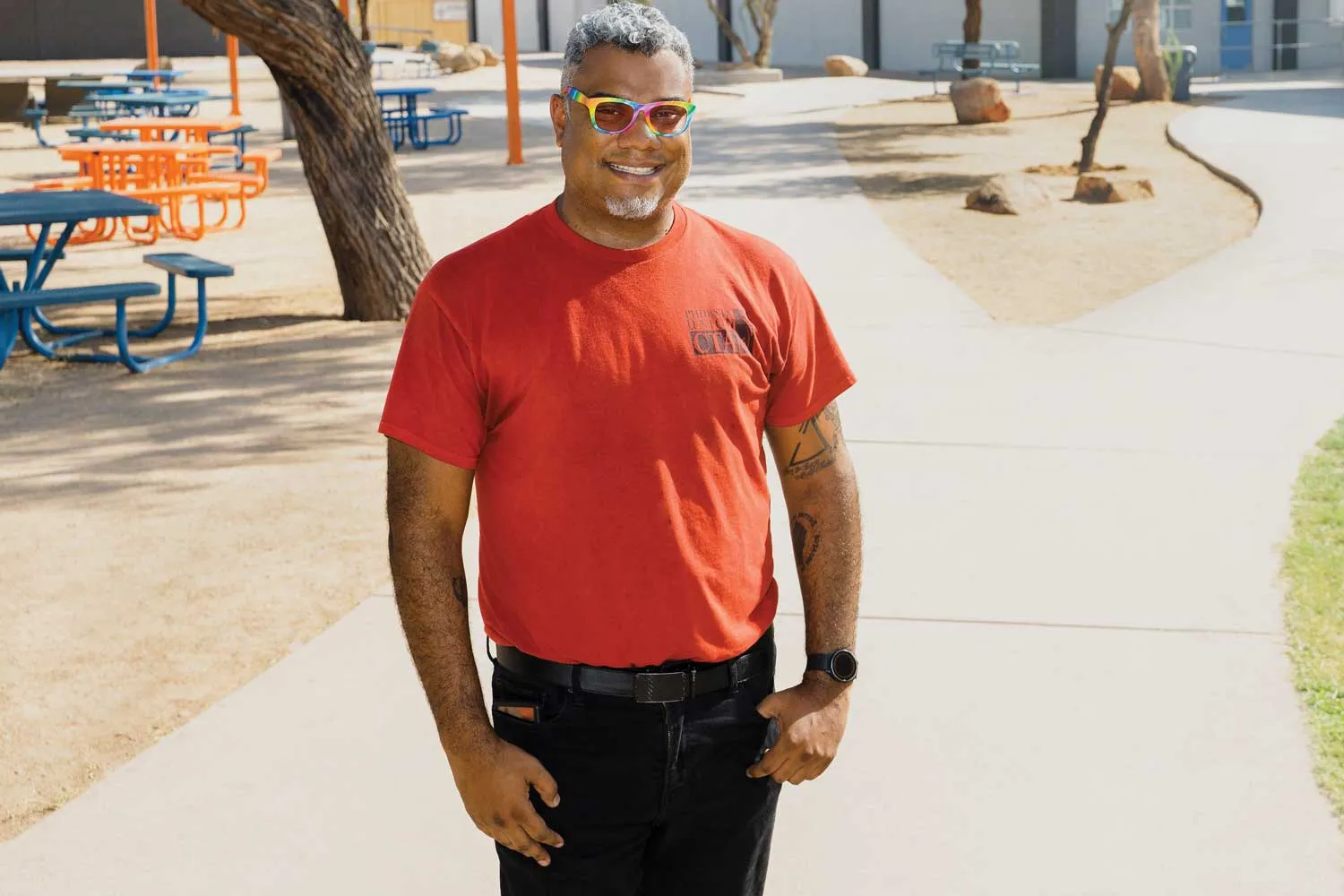
Estaban Flemons is in his 23rd year working in the district and is currently serving as the president of the Phoenix Union High School District Classroom Teachers Association. He spent his first 12 years teaching chemistry and biology, and over his tenure with the district, has helped usher in the microschool system.
This school-within-a-school approach, Flemons says, allows students to get a small school environment on a large, comprehensive campus and to have autonomy over their education.
“Sometimes a little more of that customizable, personalized educational experience can keep students in the system and provide them with better opportunities to grow and succeed,” he explains.
A Maryland district achieves highest literacy rates in the state
As reading interventionist Kelli Cropper pulls into her neighborhood after school in the late afternoon, she often sees students out playing.
“Have you worked on your 100 books reading challenge?” she calls out. “Be sure to get your 30 minutes in!”
“I will,” they answer. And they do.
Cropper is an educator in the Worcester County Public Schools district in Newark, Md. The district has economic challenges, and about half of its students are on free or reduced-price lunch, but it also has the highest level of reading proficiency in the state.
Their success is due, in large part, to the district’s 100 Book Challenge that builds reading fluency and stamina. Here’s how it works.
Students read in 15-minute blocks twice a day, every day. Teachers and reading interventionists use individual student data to be sure students are reading books that match their reading level and offer targeted interventions to boost lower levels.
Then the reading continues at home. Parents agree to a “home coach contract,” signing their student’s reading log to verify 30 minutes a day of at-home reading, five days a week.
Cropper works with students in kindergarten through third grade at the district's Pocomoke Elementary School, where she has taught for the past 25 years and even attended when she was a child. She works with students on phonetic awareness and word decoding skills.
“I’m supporting literacy and making a meaningful difference in my students’ growth and confidence,” she says. “When they become independent learners, that reinforces why I became a teacher. Our high ranking in reading shows that I can have a lasting impact on their educational journey through life.”