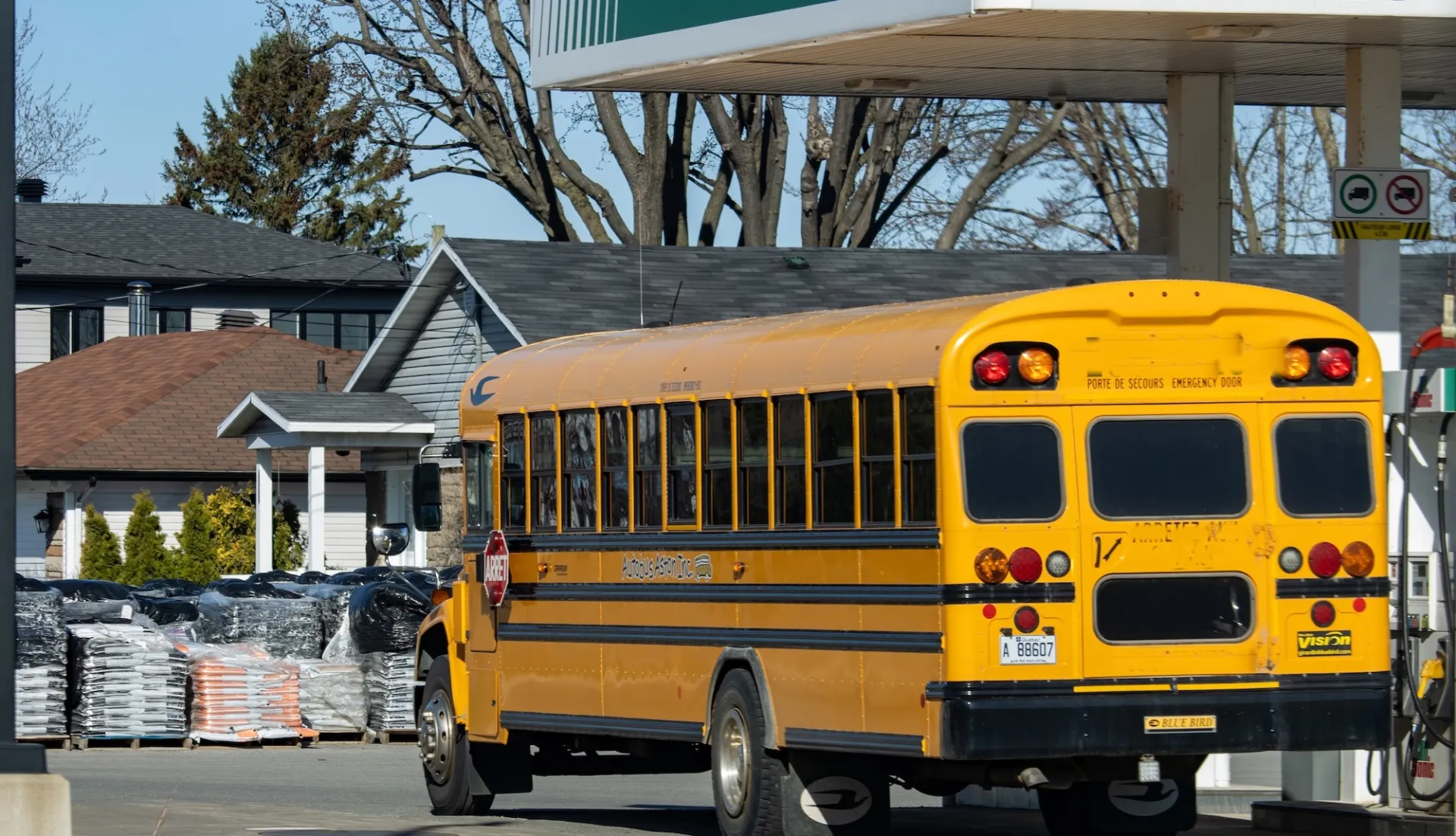
The rising cost of diesel is taking a toll on school districts nationwide as they eat up annual transportation budgets that are supposed to last the school year.
Between July and early October, Texas’ North East Independent School District had already spent about $1.1 million out of its $1.6 million budget for fuel for the entire school year, according to an Oct. 8 district announcement.
School officials in Pennsylvania say the situation is “very concerning.”
"If prices remain where they are or escalate further, we could be looking at incurring some really significant costs that we cannot afford to incur," Lakeland School District Superintendent Marc Wyandt in Scott Township, Pa.., told the Scranton Times Tribune. "We're dealing with runaway costs in so many areas like healthcare and special education that adding additional expenses is really challenging. In terms of sustained high prices, this is among the most concerning time periods I've experienced."
What does that mean for students? In some areas, districts are consolidating routes, resulting in longer ride times for students. Others are canceling field trips and extracurricular trips, activity buses, and travel to away games or other competitions.
As the year goes on with no fuel cost relief in sight, more student activities requiring buses will likely be cancelled.
"I suspect we are seeing the beginning of a problem that is going to get much worse. Many districts negotiate a fixed fuel rate contract with suppliers at the start of the year,” says Tim Barchak a senior policy analyst with NEA’s Education Support Professional Quality department. “As those contracts expire, districts will be vulnerable to the full impact of the high cost of diesel."

In northern states, winter is coming fast and heating costs could leave schools in the cold.
Around the country, K-12 school districts spend nearly $8 billion annually on energy costs, the second largest expense after teacher salaries, according to the U.S. Department of Energy’s Better Buildings and Better Plants initiative.
Glenn Koocher, executive director of the Massachusetts Association of School Committees, told NBC Boston that nearly every district is likely to feel some impact.
"I don't know that anyone could absorb it without tightening their belts," Koocher said. "And tightening the belt in the middle of the fiscal year is a very significant challenge."
He warned that unexpected expenses could force districts to tap reserves, reduce supplies or consider other budget adjustments.
"Districts have to be very careful in thinking about how they will adjust in order to use the money that they have appropriated to pay the increased fees," Koocher said.
NEA Today will follow this story throughout the school year. If your district is impacted by the high cost of fuel please share your story at [email protected].
