Published: September 25, 2026
First Appeared In NEA Today, October 2026
Today is Honey Harvest Day—a twice-annual highlight for Pascack Valley High School’s 5-year-old beekeeping club, in northern New Jersey. And students are buzzing!
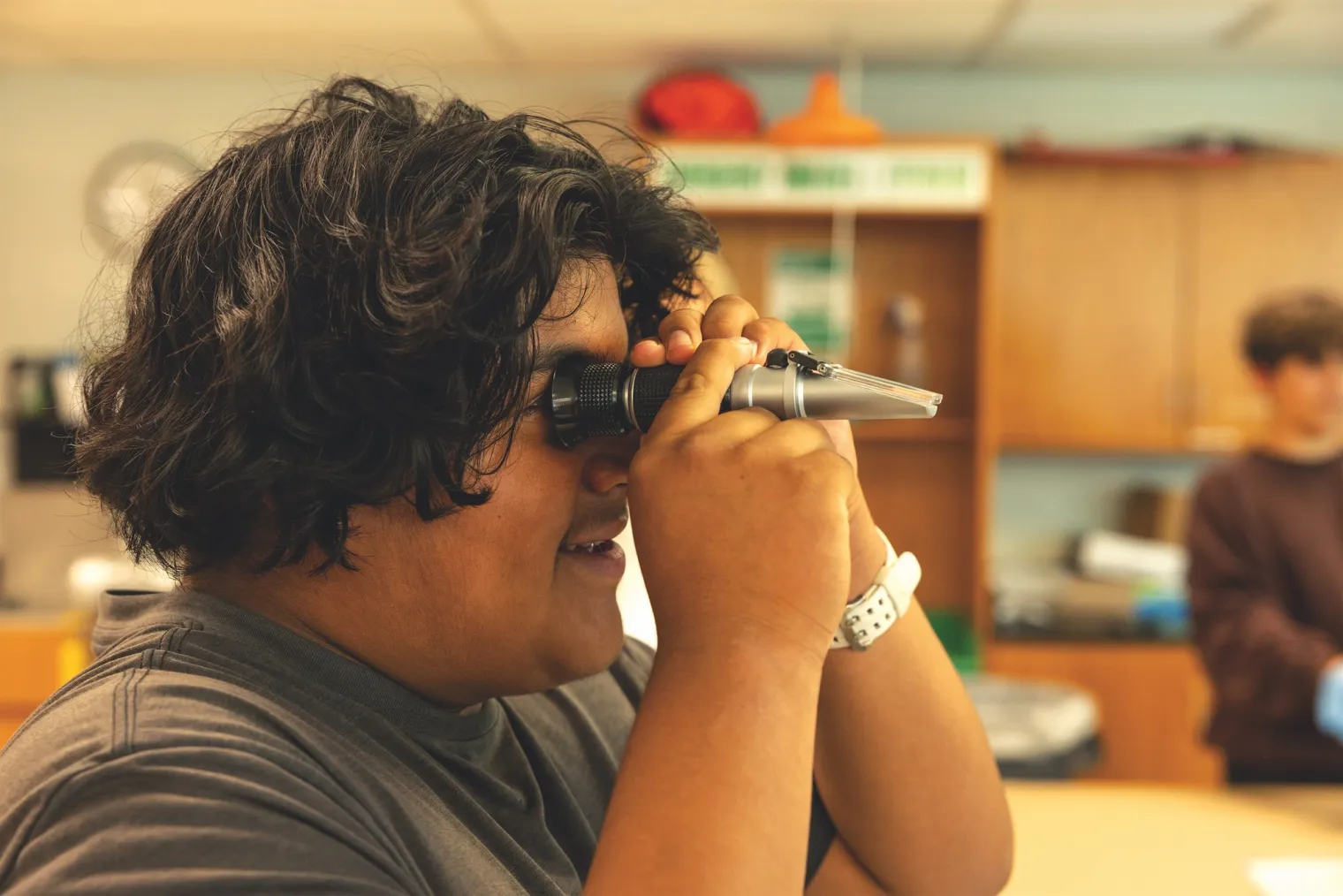
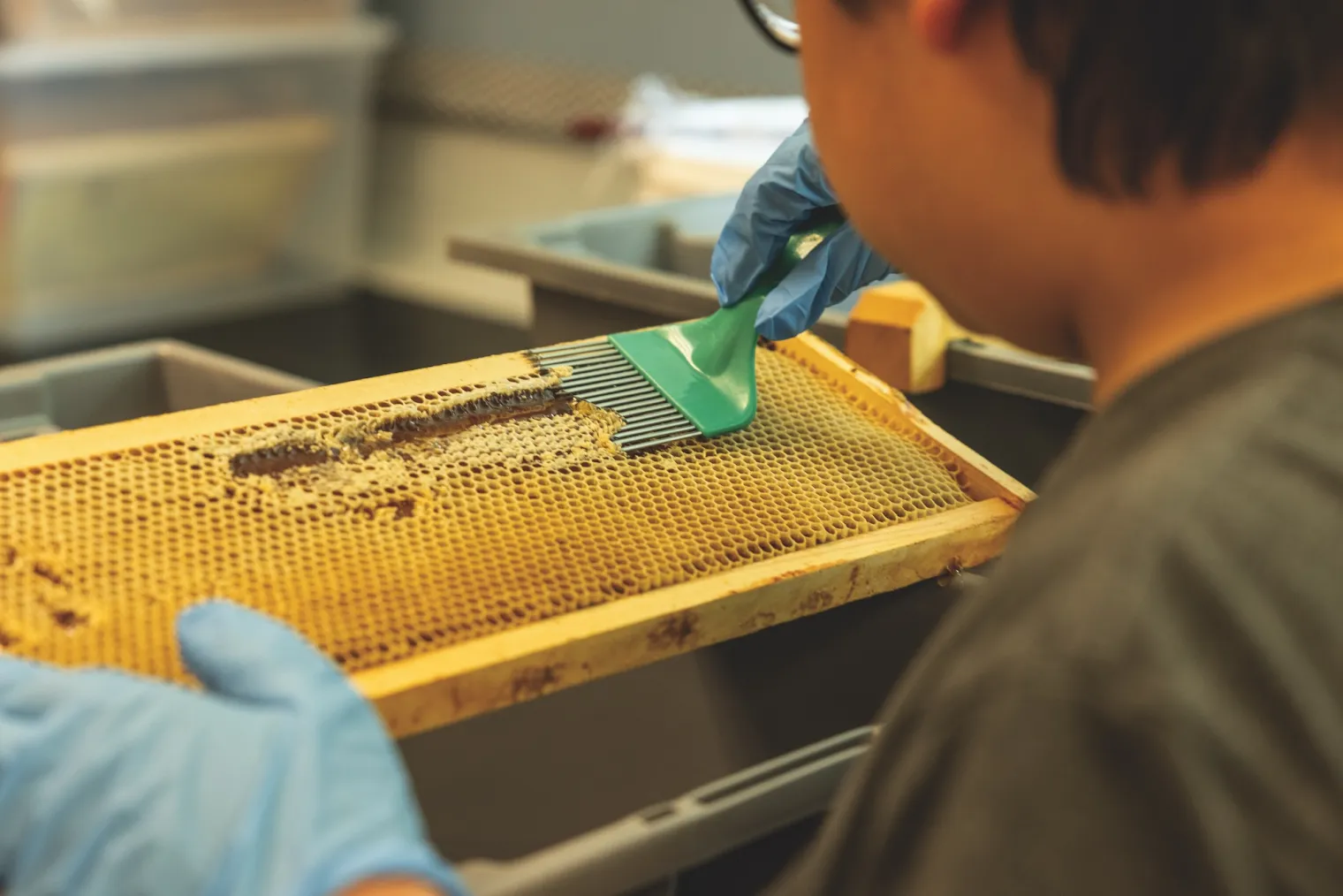
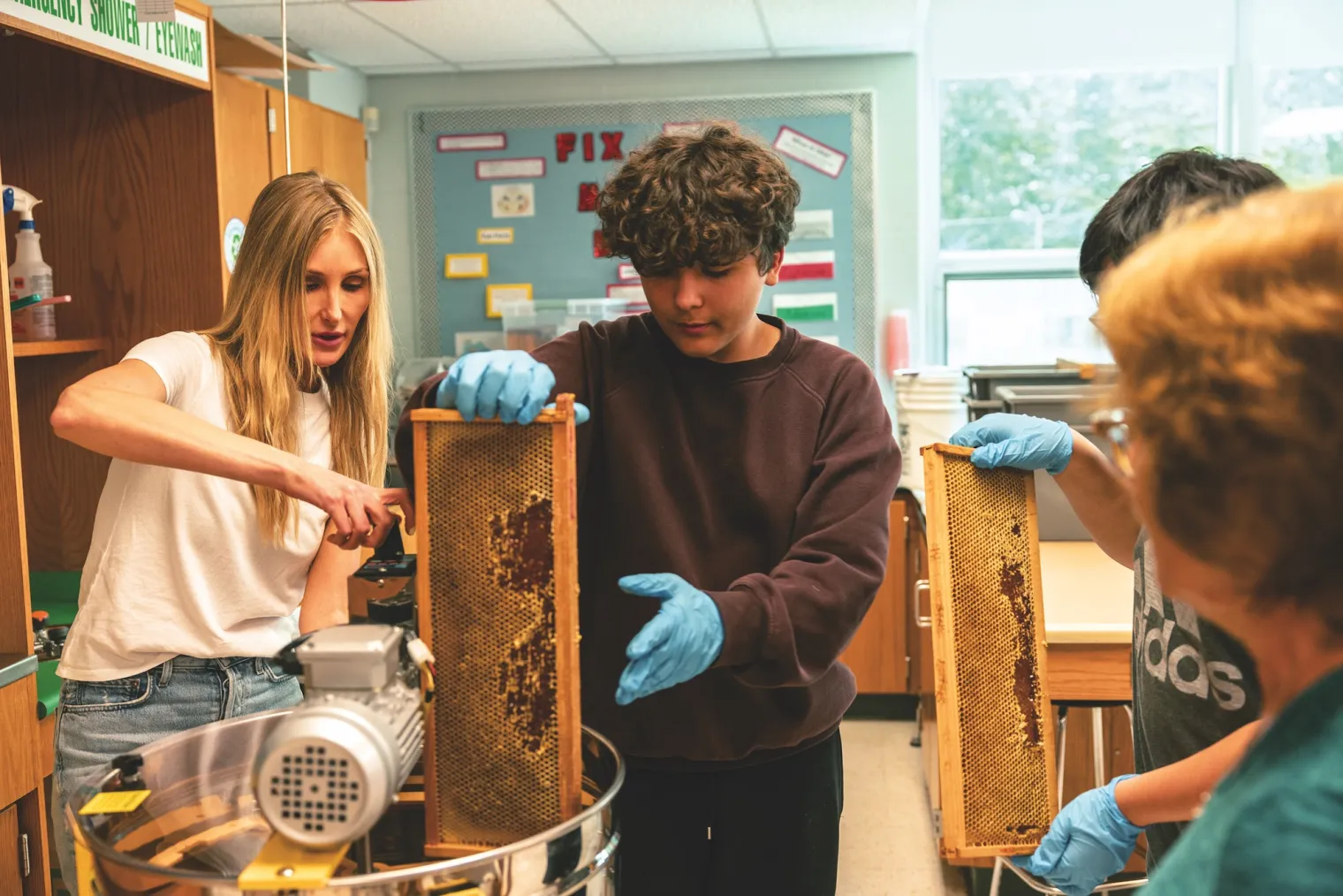
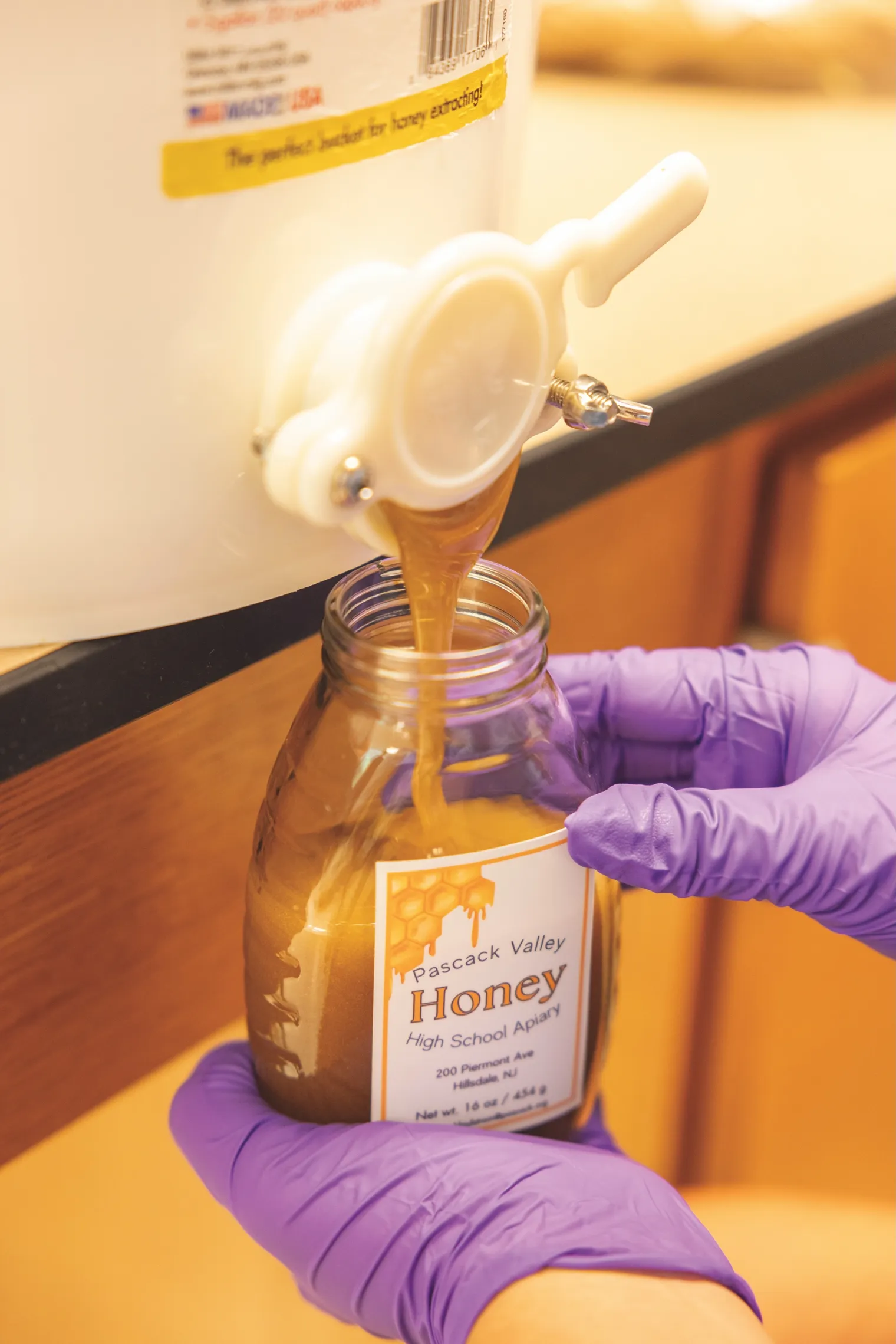
Inside biology teacher Kristen Lindstrom’s classroom, the school’s club members are scraping honeycomb and watching their amber harvest drip from a whirring extractor machine.
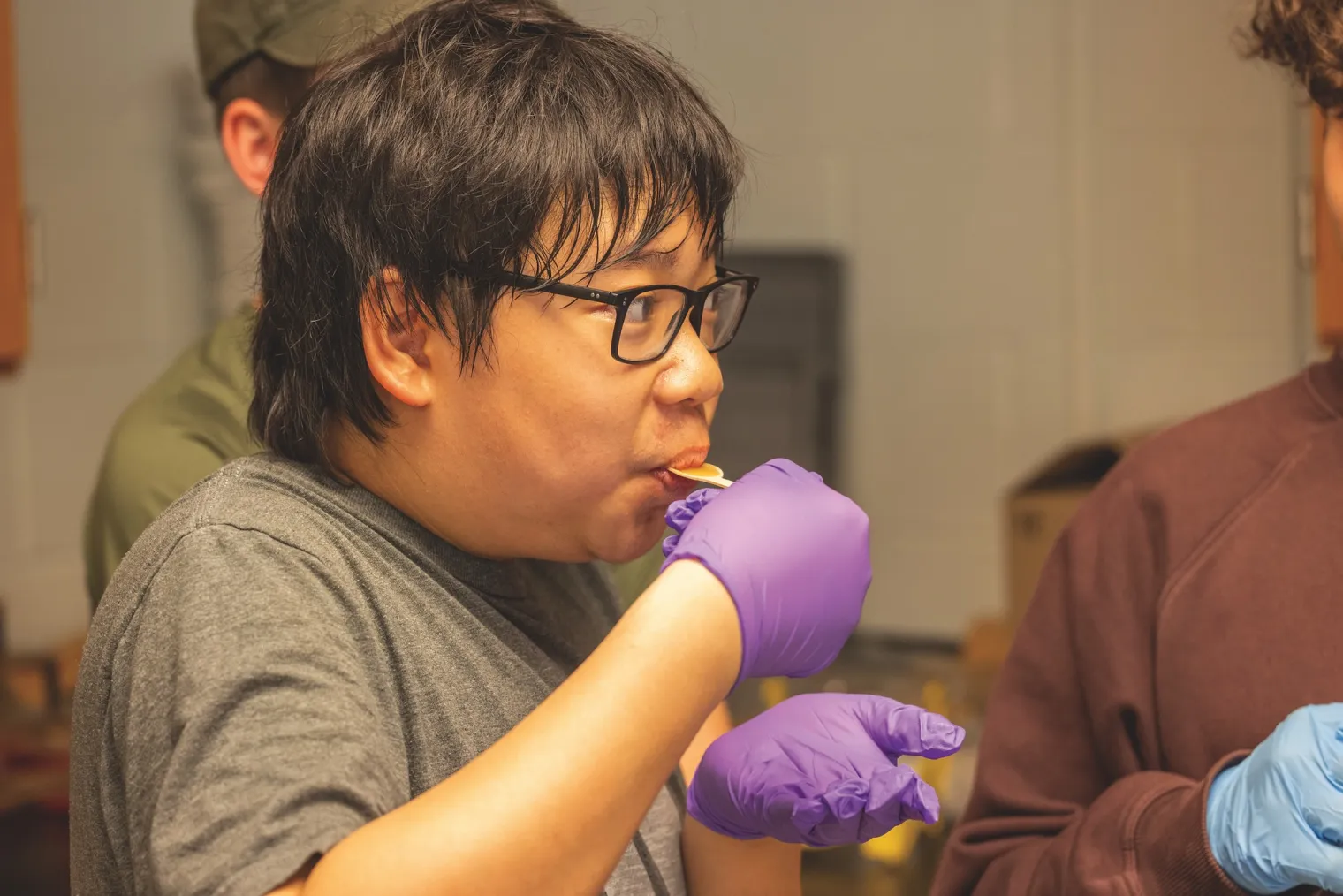
“That smells amazing,” says Lindstrom. It tastes even better. “This flavor profile is caramelly, like the cream in a Cadbury egg,” says student Derek Soto, as he thoughtfully licks a bamboo spoon.
Elapsed time: 0:00
Total time: 0:00Beekeeping is a cross-disciplinary project. At heart, it’s all science, as students manage the hives’ health and learn how bees fuel the local ecosystem. But it’s also a bit B-school, as students and staff clamor to buy the $20 jars and candles.
“It’s liquid gold,” Lindstrom says.
To get started, Lindstrom worked with a local master beekeeper and her school nurse to write a plan for school board approval in 2019. Then, to pay for the hives and equipment, she won a $2,000 grant, funded by Sustainable New Jersey. “There are a lot of grants out there for people looking to start programs,” she promises.
Rav Carlotti
Rav Carlotti
Rav Carlotti
Rav Carlotti
Rav Carlotti
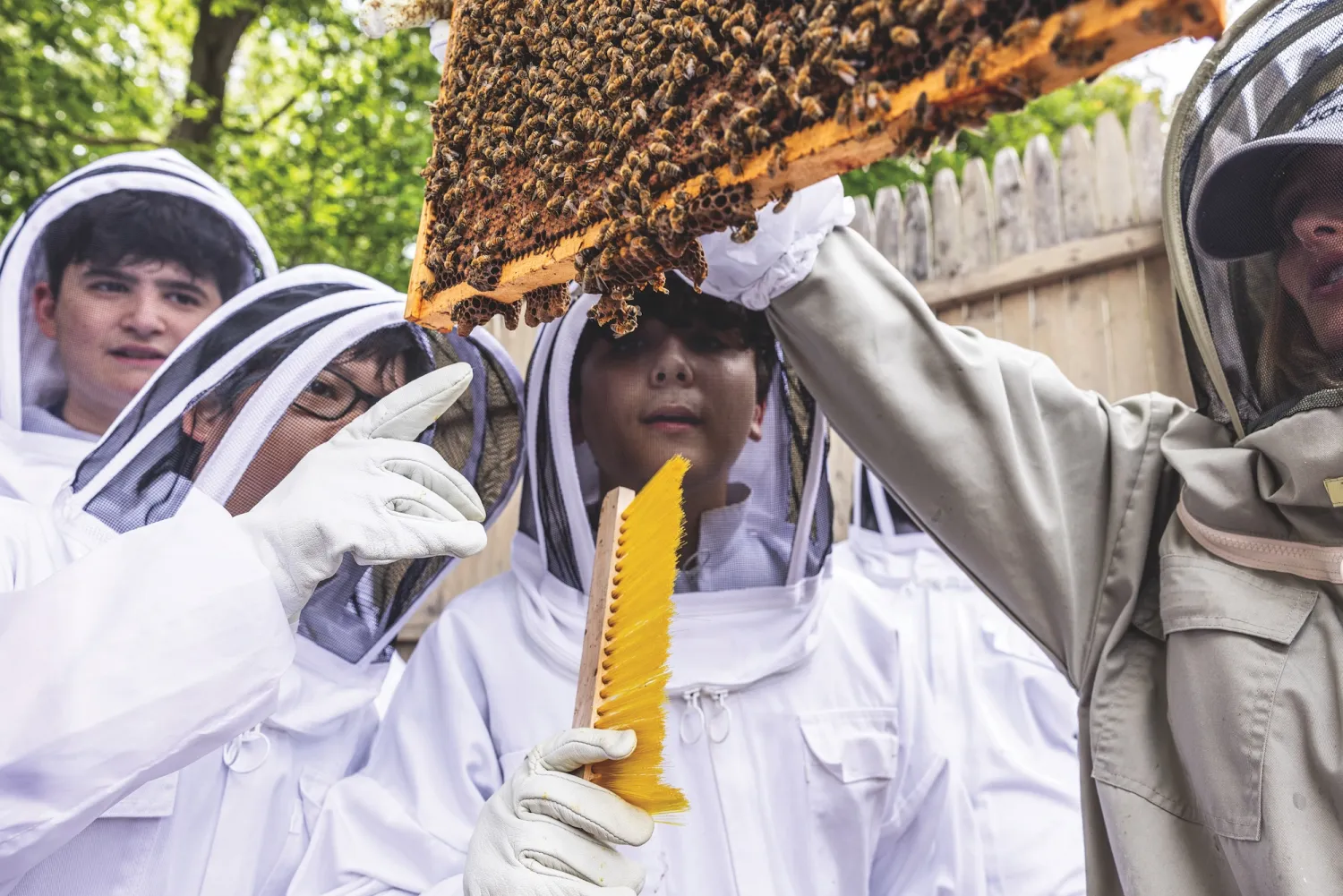
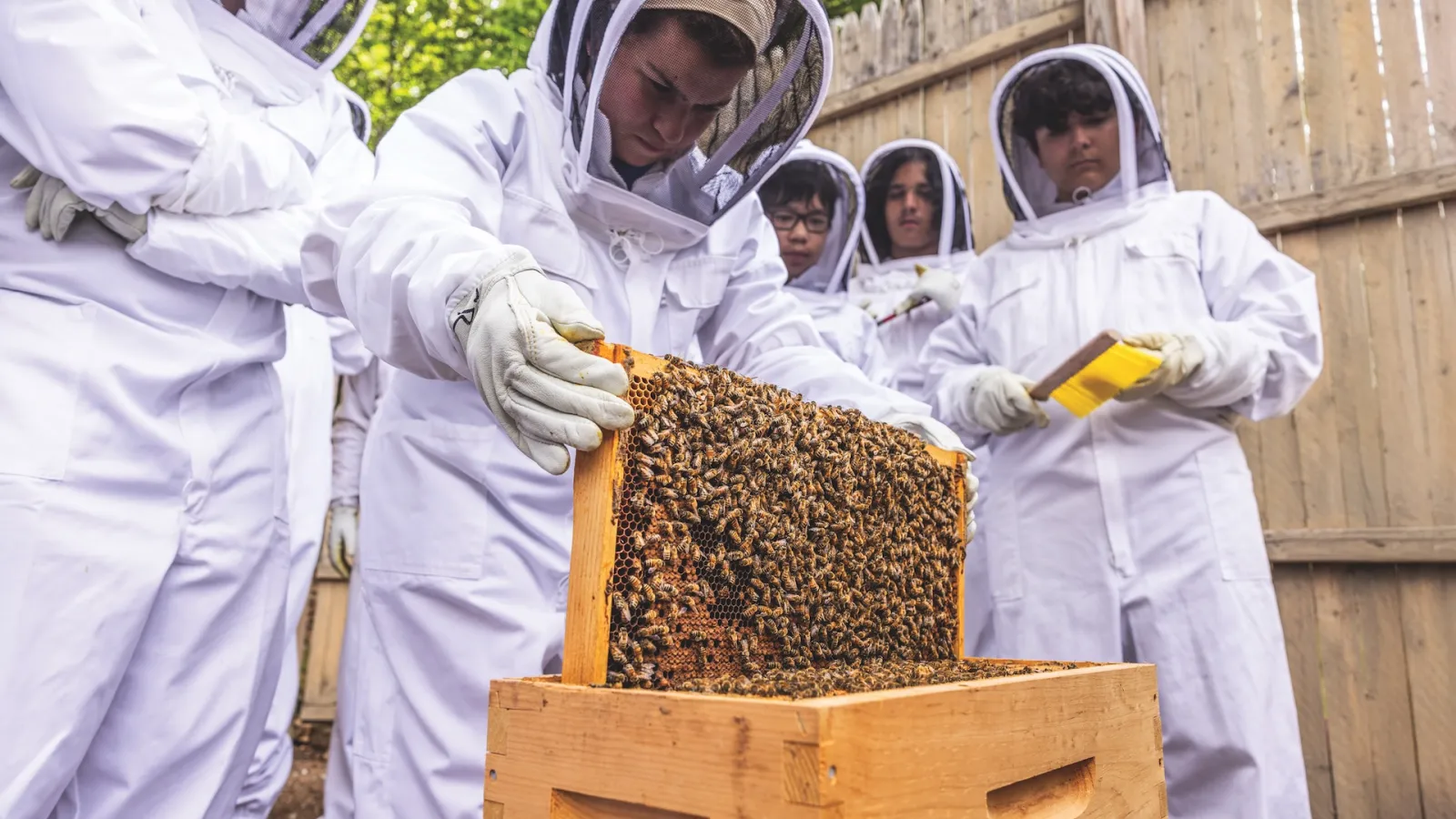
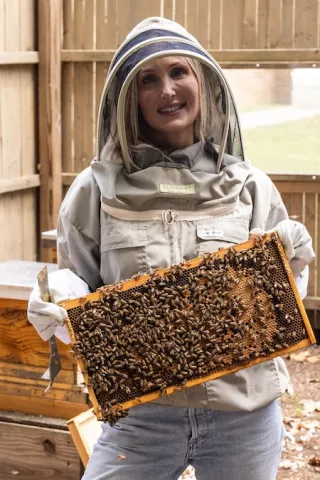
Today, tens of thousands of bees live in hives behind a stockade fence—with windows—on school grounds. Does anyone ever get stung? Nope. European honeybees are sweet (no pun intended), non-aggressive flyers, plus Lindstrom and club members wear hooded, head-to-foot beekeeping suits.
The biggest issue is time. Every week, Lindstrom pulls frames and checks on the bees, even in summer. Still, beekeeping with students is “incredibly rewarding,” she says, because it engages them so much. “We’re competing with sports, sports, sports,” Lindstrom says, but club members show up, suit up, and talk endlessly with her about mites, tulip poplars, and more. “It’s an unbelievably tactile learning experience,” she says.
Elapsed time: 0:00
Total time: 0:00