During a quiz on plate tectonics, two students whisper in the back of my room. I notice but stay quiet. I have one chance to redirect them. Forty-seven seconds into their conversation, with my back to them, I spin around, make eye contact, and say, “I know, right?”
They pause mid-sentence, shocked. “How did you hear us?”
“This may come as a surprise, but when the room is silent, I can hear you whisper.”
Teachers often seem to see all. They respond to a murmured question in a class full of conversation. They can tell if someone’s skipping class a floor away by reading faces in the room.
Cognitive scientists call this ability to filter signals from noise “the cocktail party effect.” Teachers sometimes call it radar, and we use it every day.
Thirteen years in, I credit this radar with much of my success as a teacher. But it’s not instinctual. My radar used to be terrible. The good news is, it’s something anyone can develop with practice and coaching.
As I gained experience, I lost sight of my growth trajectory—specifically, of how I developed the radar necessary for classroom management. And that made it harder to help new teachers when they asked for guidance.
But everything changed when I got into bird-watching.
Sharpen your senses
Birding is astonishingly multisensory. Your eyes scan for the slightest disturbances in a still forest. Was that a wing flapping or an acorn falling? When the wind and rain pick up, you peer more vigorously, discerning the types of motion that leaves and branches make when pressed by different forces.
Simultaneously, you’re listening for calls and knocks that distinguish one bird from another. Was that one bird or two? Was that the same bird I just heard a half mile back?
Novel sounds became distinct notes. It’s the feeling of hearing a song and suddenly recognizing it’s a familiar tune.
These sights and sounds meld with texts, guides, and knowledge about what species are likely in an area and when they migrate.
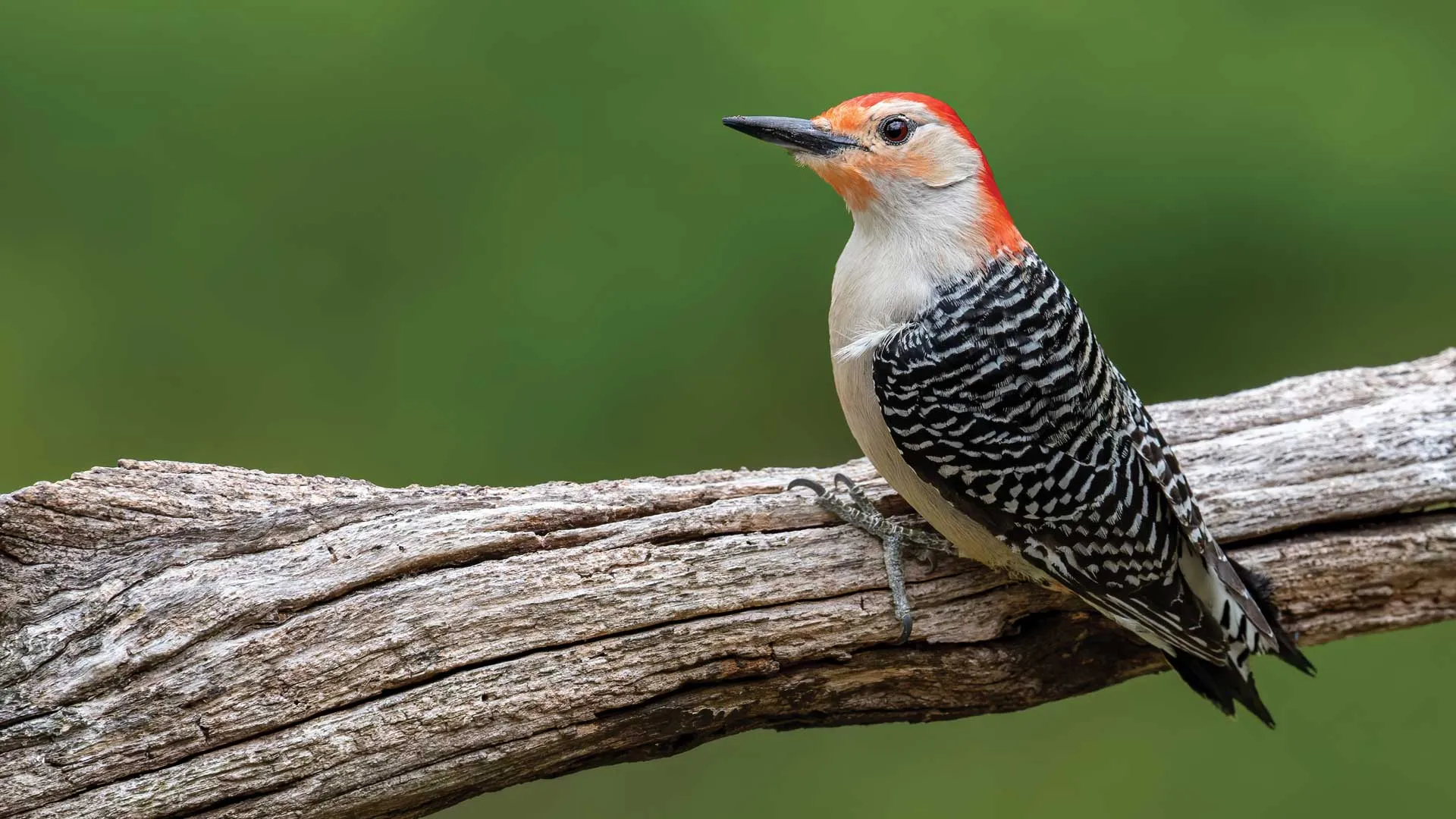
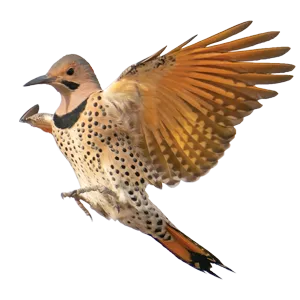
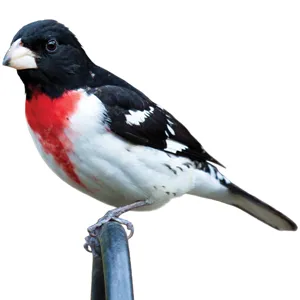
Could that actually be a rose-breasted grosbeak at this time of year? Is that pecking more likely to be a red-bellied woodpecker or a northern flicker? A birder filters what to attend to and what to ignore.
How can anyone learn this? For me, it took authentic practice and constant feedback from experienced birders. I realized that I was basically relearning radar. And it’s changed the way I look at my early days of teaching.
Help your teaching take flight
Incorporating these bird-watching skills into your practice, could transform your classroom:
Notice the little things. On a bird-watching trail, I learned to slow down for every slight movement and sound. I perceive things I didn’t know I could notice. It works in the classroom, too. Just name what you observe aloud: The new kicks, the haircut, a student’s posture. Statements of fact build the muscles of radar.
Learn through observation. Sit in on other teachers’ classes as often as possible. My birding skills improved by moving beyond my backyard, to lakeshores and prairies and thickets.
If I could start my teaching career again, I would request professional development days to observe beyond my content area, grade level, and even my school. This exposes you to new approaches for solving familiar challenges. You see what’s possible.
Have a mentor. Just as I need pointers when I misidentify a feather or birdcall, early teachers grow and sustain themselves with great coaching.
When I started teaching, I was lucky to have a trusted mentor who saw the teacher I could be, even when I was at my worst. A good mentor is the equivalent of an additional year of experience.
Even though long-term retention of high-quality teachers pays for itself, not all schools invest in coaching. Look for educators you feel an affinity for and trust, if this is an issue in your school. Ask these colleagues to observe you and provide feedback, or watch footage of you teaching.
Experienced teachers want to work in a building filled with other great teachers, and they’ll share what they know to make that possible.
Today’s teaching force is less experienced than ever, with a widening gap between veteran teachers and new ones. Anyone entering the classroom deserves the support and experience they need to thrive, in spite of those headwinds.
Bird-watching reminded me of our collective responsibility to support each other in this work, because no one gets better alone. Let’s stop treating preparation as an afterthought. Instead, let’s invest in our early career teachers so they have the skills to rebuild our profession and build long-term careers in the classroom.
This article first appeared on Chalkbeat.org.

Ronak Shah teaches at Thomas Carr Howe Middle School, in Indianapolis.