Key Takeaways
- Why this fall's election is critical.
- Elevating educator voices.
- Make no mistake—your right to vote is on the ballot,

When Jacob Bennett was growing up, he felt more secure at school than anywhere else—especially compared with his turbulent, abusive home. He knew by age 10 that he wanted to be a source of security and encouragement for other children, just as his educators had been for him.
Bennett didn’t understand back then how elections shaped the learning conditions at his school, in Maryland’s Harford County. But today, as a teacher, voter, and elected member of the Harford County Council, he gets it.
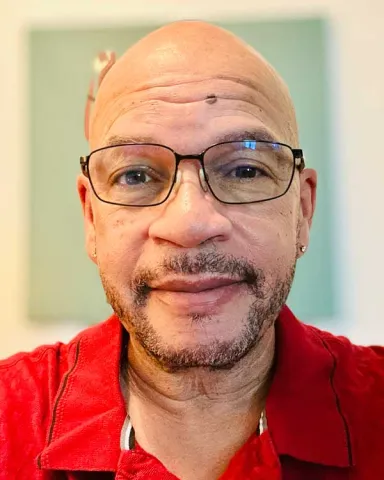
Although most NEA members and retirees don’t hold office like Bennett, he believes that this is a crucial time for political engagement—especially to fend off politicians who are committed to undercutting retirement security and dismantling public education and other public services.
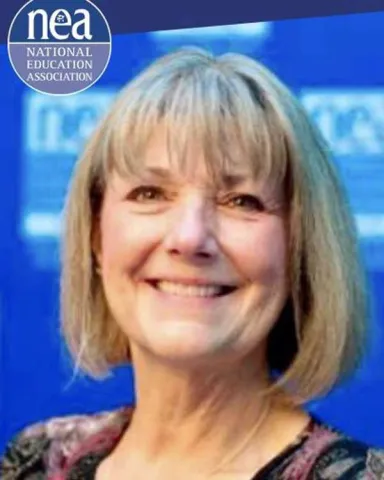
“Just because we are retired doesn’t mean our commitment to getting things done stops,” says Connie Boylan, a Retired member serving on the NEA Board of Directors and a former library media paraprofessional in Traverse City, Mich. “If anything, we should be stepping up to protect what we spent our careers and lives fighting for.”
What’s at stake in the 2026 election?
E. Toby Boyd, a retired kindergarten teacher and former president of the California Teachers Association (CTA), says he is surprised when people say political decisions don’t affect them. “I tell them: You are impacted directly or indirectly from the time you wake up in the morning and walk out the door to the time you go to bed. Elections affect every aspect of our lives.”
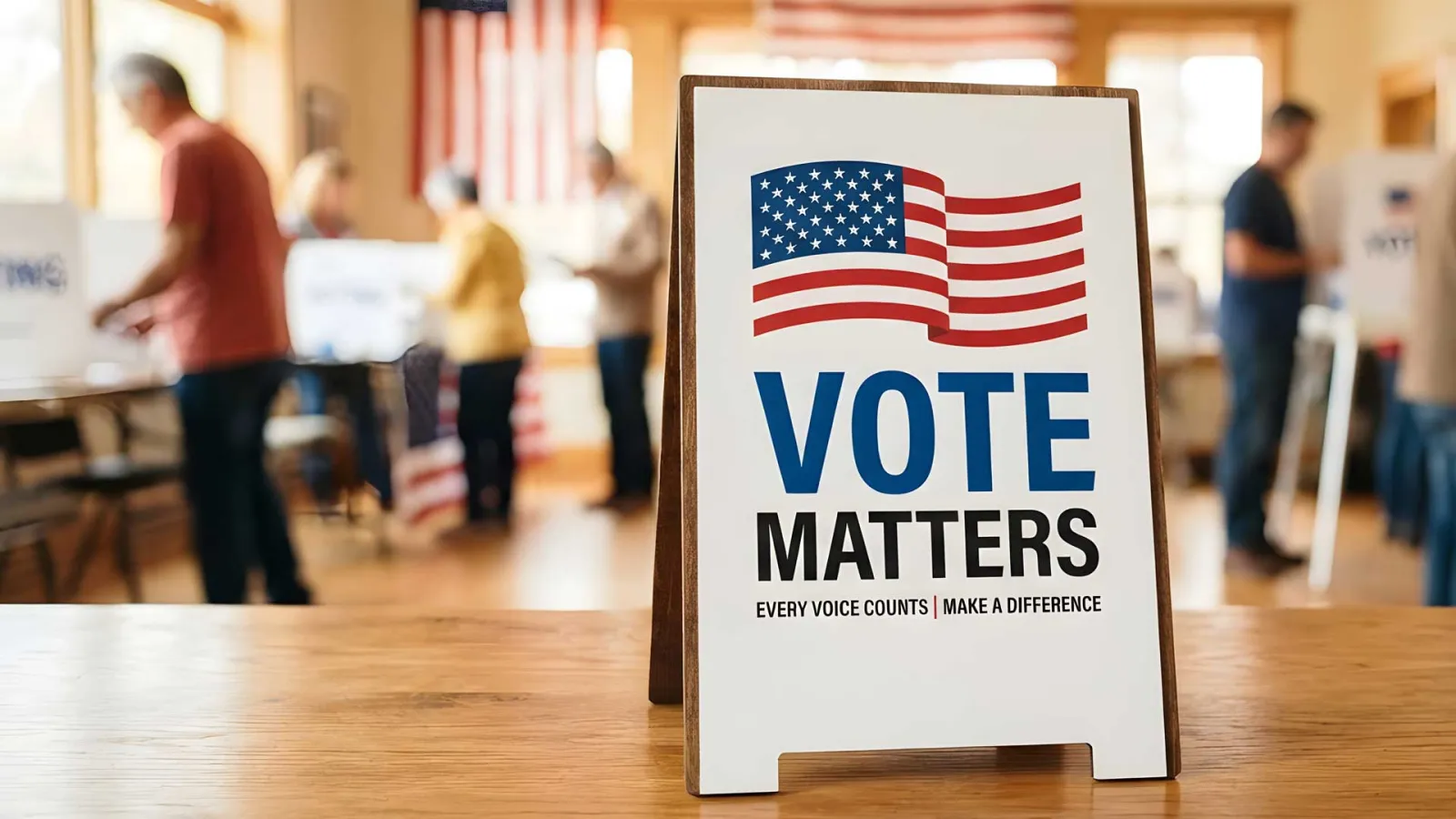
NEA members live in cities, suburbs, and rural areas, reside in every congressional district and ZIP code, and typically vote at twice the rate of eligible voters overall. Retirees such as Boyd hope that this bodes well for a supercharged turnout of NEA retirees in November.
Even though this is not a presidential election year, Boyd and others want to send a clear message about the policies that most Americans, when polled, say they strongly disagree with, including over-the-top immigration raids that have terrified students, families, and educators.
“Originally, this administration said they were pursuing only ‘hardened criminals’ with these awful raids, but they’re going after children and families,” he says. “People who have been doing the right things to stay here legally are being pulled off the street and shipped to modern-day internment camps. There’s no due process, and no way of knowing what is happening to them.”

Boyd also cites the flood of candidates who are pushing other harmful policies: Voucher schemes that siphon money and resources from public schools; union-busting measures that aim to take away workers’ rights; and cutbacks to safety-net programs such as Medicare, Medicaid, Social Security, and food assistance.
“Public education is the great equalizer, and its accessibility mission is so important,” says Timothy Surrette, a former middle school science teacher, now an associate professor of education at the University of Maine and an elected member of the Bangor School Committee.
For Boylan, who spent her career cultivating the joy of reading in students, book bans are particularly dangerous. The bans, enacted by state legislatures or state and local school boards, give politicians the power to overrule educators’ expertise and experience. Although there is no federal book ban, legislation passed by Congress and signed by the president has caused the removal of hundreds of titles from schools on military bases in the states and overseas that enroll the children of America’s military families.
Continuing the fight
The president may not be on the ballot this year, but his policies are, and his party controls both the U.S. House of Representatives and the Senate. That means the candidates who win in November will determine whether the administration’s agenda goes forward or goes bust.
“As retirees, we want to see the commitment we made to this country continue,” Boylan says. “That means protecting NEA members, students, and communities, adequate funding for public schools, and protecting our civil rights.”
Part of that commitment included the fight many NEA retirees waged against two laws—the Government Pension Offset and Windfall Elimination Provision—that deprived public employees, including educators, in 26 states of Social Security retirement benefits. That victory came in 2024, but only after decades of activism and political engagement by retirees. “We fought hard to get that win, and our engagement still is needed.”
Political engagement is also key to fighting one of the Trump administration’s signature items: abolishing the U.S. Department of Education (ED). Eliminating the department will wipe out expertise and could disrupt funding to states and school districts, force layoffs, reduce special education services and resources, and increase barriers to post-secondary education. “I can’t remember a time when we’ve had to fear that so many things we’ve achieved would be stripped from us,” Boylan says.

Furthermore, the administration’s decimation of the ED offices that oversee civil rights and special education makes students more vulnerable to discrimination, harassment, and even certain types of assault. Without the department, they and their families will have little recourse and few assurances of protection.
“It is crucial that every single NEA member and retiree vote and have a voice right now,” says Ava Chiao, an independent studies teacher in San Jose, Calif., and elected member of the Cupertino Union School District Board of Education. “We’re talking about the future of not just our schools, but our society. Education is a fundamental right, and we’re the ones who can fight for our kids.”
Elevating educator voices
Bennett, the County Council member in Maryland, says he has made a point of providing Council colleagues with a deeper understanding of the challenges educators and students have faced since his 2022 election. Recently, when the county executive proposed reducing the education budget by $20 million, Bennett persuaded the Council to cut the amount in half. “I didn’t want the school budget to be cut at all, … but ultimately we saved 120 positions.”
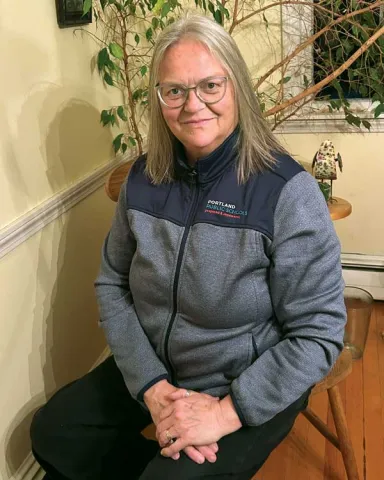
Jayne Sawtelle, a retired music teacher and member of the Portland School Committee in Maine, says educators elected to governing bodies can help bring home the impact of policy choices made at the state and national levels.
Sawtelle points out that many Portland students were impacted when Congress carried out a Trump administration priority to cut the Supplemental Nutrition Assistance Program (SNAP)—a food assistance program for low-income families. Fortunately, a local nonprofit stepped in to help. But that would not have been necessary if more lawmakers in Congress used their power to support working families and students.
“The foundation saved a lot of families from going hungry—families that were also on the verge of being unhoused,” Sawtelle says, who taught for 30 years and was elected after she retired.
Retirees stepping up
Running for office is one avenue for turning retiree energy into political activism, but there are many others. “We’re seeing a lot of retirees stepping up and being out there,” Boylan says. “We’re training them on things they can do from home, like texting, letter-writing, and phone-banking. And they can help get people to the polls."
Boyd adds that retirees are a force that is yet to be fully tapped. “We have lived experiences to share that could impact how people vote and the importance they place on voting,” he says.
Make no mistake—your right to vote is on the ballot!
The Trump administration and its supporters in Congress and state legislatures are advancing measures that make it harder for certain groups—particularly communities of color, older voters, and students—to vote. Politicians in many state legislatures have already passed such laws and redrawn districts to dilute the impact of people who don’t agree with them.
Additionally, the U.S. Supreme Court earlier this year handed down a decision that dismantled a key enforcement tool of the Voting Rights Act of 1965. The decision gives states the green light to redraw voting maps, even if those states have historically discriminated against voters based on race.
The candidates and issues on the ballot and the threats to our right to vote make voting in 2026 imperative, Bennett says.
“The electoral process is like building a sandcastle. The sandcastle is still there when you leave the beach, but then the tide comes in, and you’ve got to rebuild it the next day,” says Bennett[RB1], who likes to point out that he won in 2022 by only 92 votes. “If we want to preserve and restore the democratic values that mean the most to us, if we don’t want to lose the nation we’ve created and want to maintain it for our children and grandchildren, we can’t sit back and let the waves keep washing away what we’ve built.”