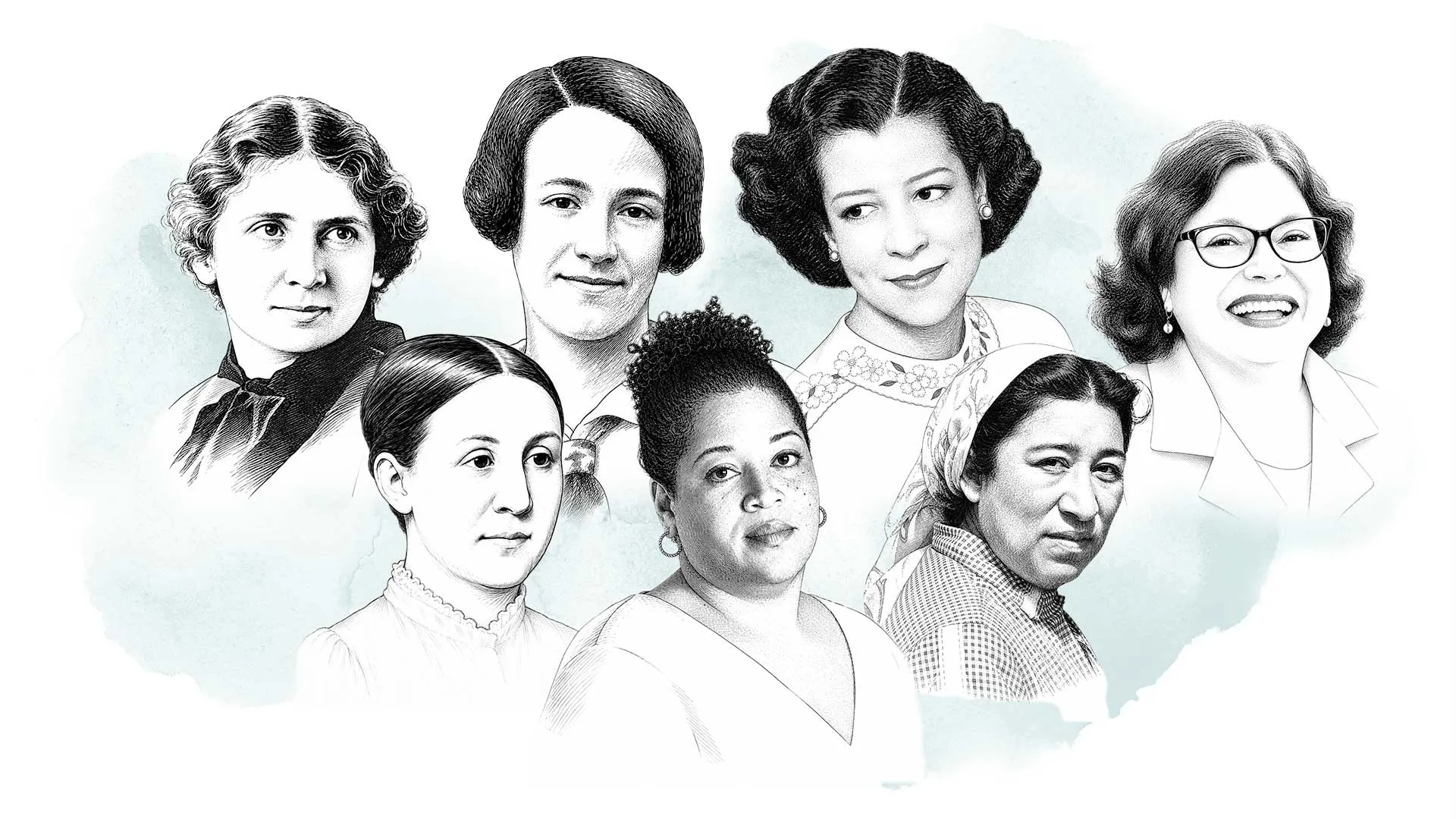
American history includes “a long lineage of working-class heroes who, when faced with injustice and oppression, stood up, looked their bosses dead in the eye, and said, enough,” writes journalist Kim Kelly, author of Fight Like Hell: The Untold History of American Labor. But can you name any of them? Many legendary laborers are left out of history books. In detailing their lives and battles, Kelly exhorts us all to “carry the torch forward.” As Labor Day approaches, meet a few of them in these pages.

Rose Schneiderman
A ROSE FOR WOMEN'S RIGHTS
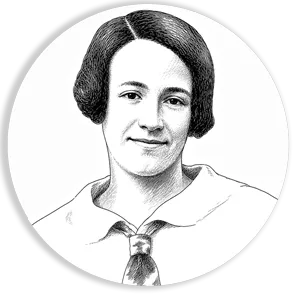
In 1911, the Triangle Shirtwaist Factory fire in New York City killed 146 garment workers—mostly Italian and Eastern European Jewish immigrants, whose bosses had locked them into their 9th- and 10th-floor workplace. Some were as young as 14 years old. Days later, Rose Schneiderman—a leader in the Women’s Trade Union League who had led the garment workers’ strike two years earlier—told a memorial crowd: “Too much blood has been spilled. I know from experience it is up to the working people to save themselves. And the only way is through a strong working-class movement.” In 1933, then President Franklin D. Roosevelt appointed Schneiderman to the National Labor Advisory Board, where she advocated for domestic workers to get Social Security—something that wouldn’t happen until the 1950s.
Sarah Bagley
AN EARLY REFORMER
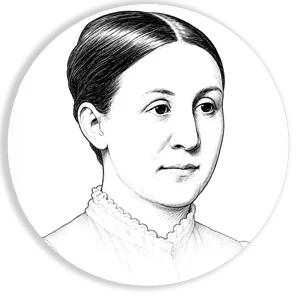
In New England’s textile mills, in the mid-1800s, floor managers cared a lot about the health of their cotton threads—and not workers. To create hot, humid workplaces, they nailed shut the windows, making the threads less likely to snap but their “mill girls” more likely to break. Deadly “cotton lung disease,” or byssinosis, was common. As the first president of the Lowell Female Labor Reform Association, Sarah Bagley rang the alarm. “Whenever I raise the point that it is immoral to shut us up for 12 hours, … I am told that we have come to the mills voluntarily and can leave when we will. Voluntarily!” Bagley raged. “The whip which brings us to Lowell is necessity.” Mill workers eventually won an 11-hour day in 1853, but it wasn’t until the 1938 Fair Labor Standards Act that the 8-hour day became law.
Ella May Wiggins
MARTYR OF THE MILLS
In April 1929, workers at the Loray Mill, in Gastonia, N.C., went on strike, demanding a 40-hour workweek and a $20 weekly wage. One of them was Ella May Wiggins, a balladeer who penned “A Mill Mother’s Lament” (later covered by Pete Seeger) and sang it on picket lines. On Sept. 14, an anti-union mob pulled Wiggins out of a carful of strikers and murdered her. “At the time, she was pregnant with her 10th child,” Kelly notes. Wiggins had made a point of involving Black workers in her union efforts. And while this put a target on her back, she fatefully said: “They’ll have to kill me to make me give up the union.” Five years later, Wiggins’ sacrifice fueled a massive textile strike involving 400,000 workers, up and down the coast.
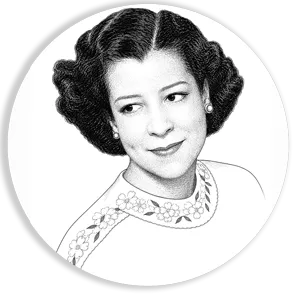
Marvel Cooke
TRAILBLAZING JOURNALIST
Black journalist Marvel Cooke went undercover in New York City in the 1940s, posing as one of the domestic workers who gathered daily on street corners, waiting for white housewives to cruise by and hire them. Cooke was hired twice, Kelly notes, and paid $3.40 for a hard day’s labor, scrubbing floors on her hands and knees. “I gathered strength as I scrubbed that floor. I cleaned it with the strength of all
slaves everywhere who feel the whip,” Cooke later wrote in a five-part Daily Compass series entitled, “The Bronx Slave Market.” The answer, she said, was increased unionization of domestic workers.
Suzette Wright
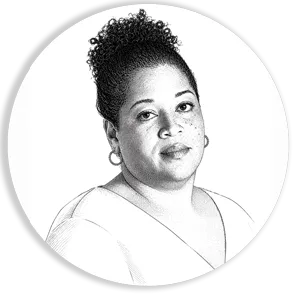
A VOICE FOR WORKING WOMEN
In 1993, Suzette Wright was a single mom in Chicago, taking college classes between shifts on a Ford assembly line. On her first day, male co-workers chanted “fresh meat.” Still, she kept on, for years, because she needed the money. “Every time something would happen, it was like a little pinch would be taken away from my personage,” she said. The final straw, Kelly notes, was Wright’s supervisor calling her to the front of a roomful of men and offering her $5 for a sexual act. Later, the union president told her: “You’re a pretty girl, take it as a compliment.” Eventually Wright sued, winning a $7.5 million fund to be split among 900 women workers who had been sexually harassed at the plant.
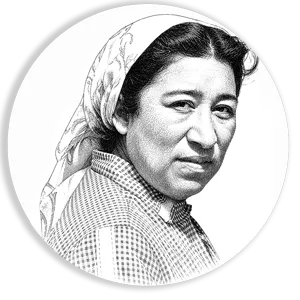
Maria Moreno
CULTIVATOR OF JUSTICE
In the late 1950s, Maria Moreno, her husband Luis, and their two adult sons worked on Texas farms to support their family of 14, bringing home as little as $114 a week, Kelly notes. Their eldest stopped eating to save food for his young siblings, causing him to go temporarily blind. Moreno began speaking out: “How do you think that I feel, seeing my son blind because we don’t got nothing to eat, while some other tables are full and wasting food!” Her story got the state welfare board to extend food assistance to farmworkers. She became the first female farmworker to be hired as a
union organizer, by the AFL-CIO.
Judy Heumann
DISABILITY ACTIVIST
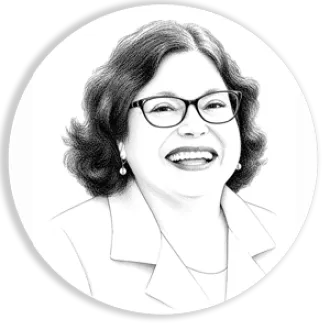
When Judy Heumann was a student, school administrators said her wheelchair was a “fire hazard.” In 1970, when her teaching license was denied because of her disability, she sued the New York City Board of Education and became the first wheelchair user to work as a city teacher. She helped found Disabled in Action, a direct-action group that shut down the major avenues of New York City, winning legislation to end the isolation and segregation of disabled people. “We looked beyond how we each spoke and moved, how we thought and how we loved,” Heumann later wrote. “We stood for inclusiveness and community, for our love of equity and justice—and we won.”
Quote byJudy Heumann