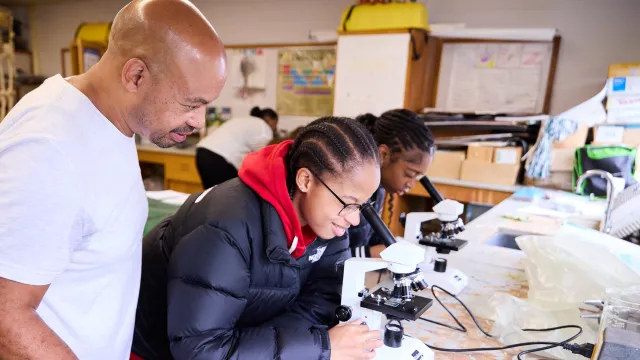
Students learn to engage with media more responsibly, thoughtfully, and intentionally when they develop the skills to access, analyze, evaluate, create, and act using all forms of communication, thereby reducing digital risks on themselves and others both online and offline. When students understand how technology and digital platforms are designed to capture their attention, they can develop a deeper awareness of the impact these tools may have on their focus, mental health, and overall well-being.
The Media Literacy Education Landscape
State legislative solutions vary in how to advance media literacy education: Some states require media literacy instruction, either comprehensive or limited, while others direct state boards of education to develop standards, identify and share materials or curriculum, or establish advisory councils.
Examples include:
- Colorado’s HB21-1103 Media Literacy Implementation requires the Colorado State Department of Education to adopt revisions to reading, writing, and civics standards that “identify the knowledge and skills that an elementary through secondary education student should acquire relating to media literacy,” create an online bank of resources, and provide technical assistance to school districts that request it.
- North Carolina’s HB959 Protecting Students in a Digital Age, a comprehensive measure on improving student safety and digital literacy in schools, requires local adoption of student personal device restriction policies, limiting access to the internet on devices or internet services, and requires social media literacy instruction in schools on a variety of topics, such as the negative effects of social media, distribution of misinformation, and maintenance of personal security during elementary, middle, and high school.
While state legislative approaches may differ, there is a growing awareness among policymakers of the importance of media literacy in preparing students to navigate the complex digital terrain and instituting mandates for curriculum inclusion, professional learning, and teacher preparation standards.
Media Literacy Now: State Legislation Analysis

Policy Recommendations to Improve Media Literacy Among Students
Media Literacy Now partnered with the Massachusetts Department of Elementary and Secondary Education to conduct a nationwide scan of media literacy education, interview Massachusetts K–12 educators, and gain input from national media experts and education professionals to develop detailed recommendations for improving media literacy education through state education policy. The recommendations range from feasible to more challenging and, while specific to Massachusetts, can be applied nationwide.
Sample media literacy policy recommendations from this report include:
Most Feasible: Guidance and Support
Moderately Feasible: Funding, Professional Development Expansion, and Pilot Programs
More Challenging: Systemic Changes
Empowering Educators in the Age of AI

Learn More About Media Literacy

Core Principles of Media Literacy Education

Core Instructional Practices of Media Literacy Education

FAQ for Educators and Families
Common Sense Media

Project Look Sharp

Advocacy Toolkit for Families and Individuals
Join Our Movement