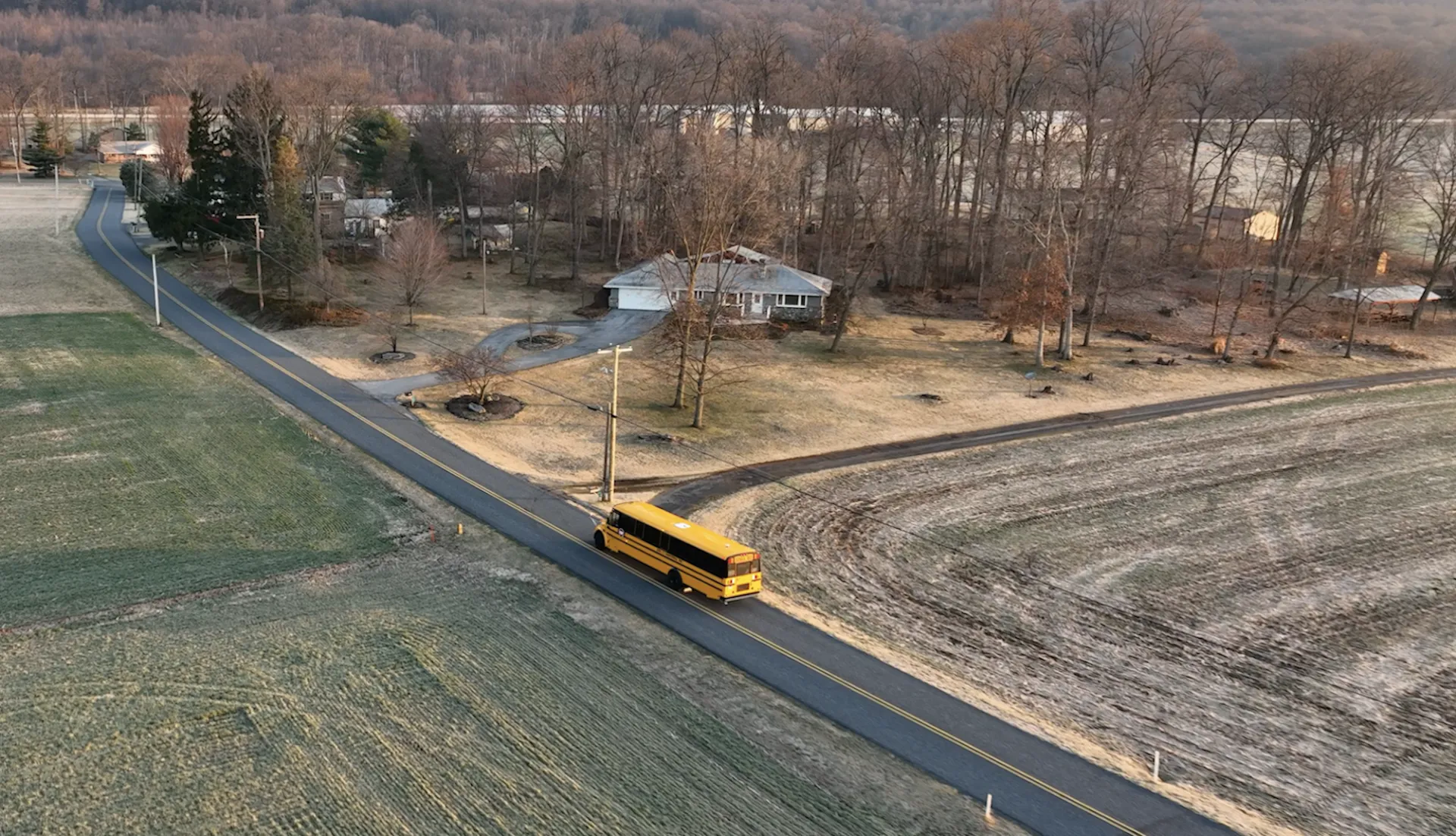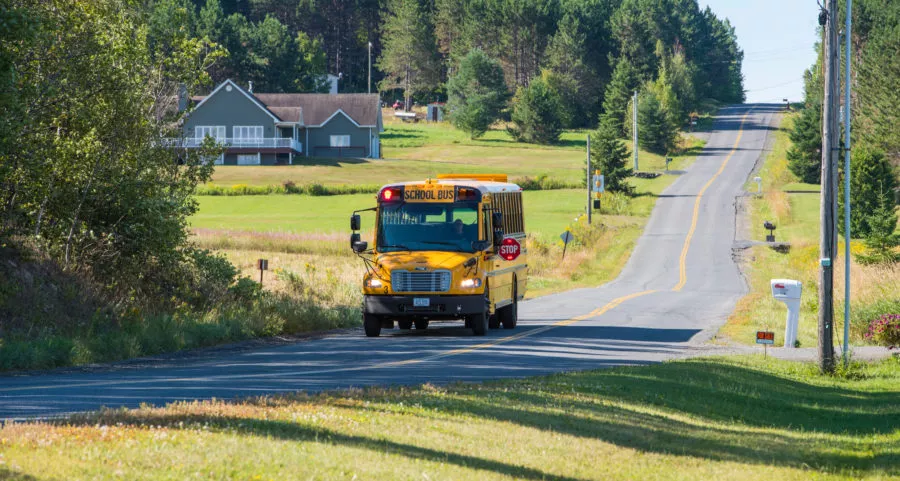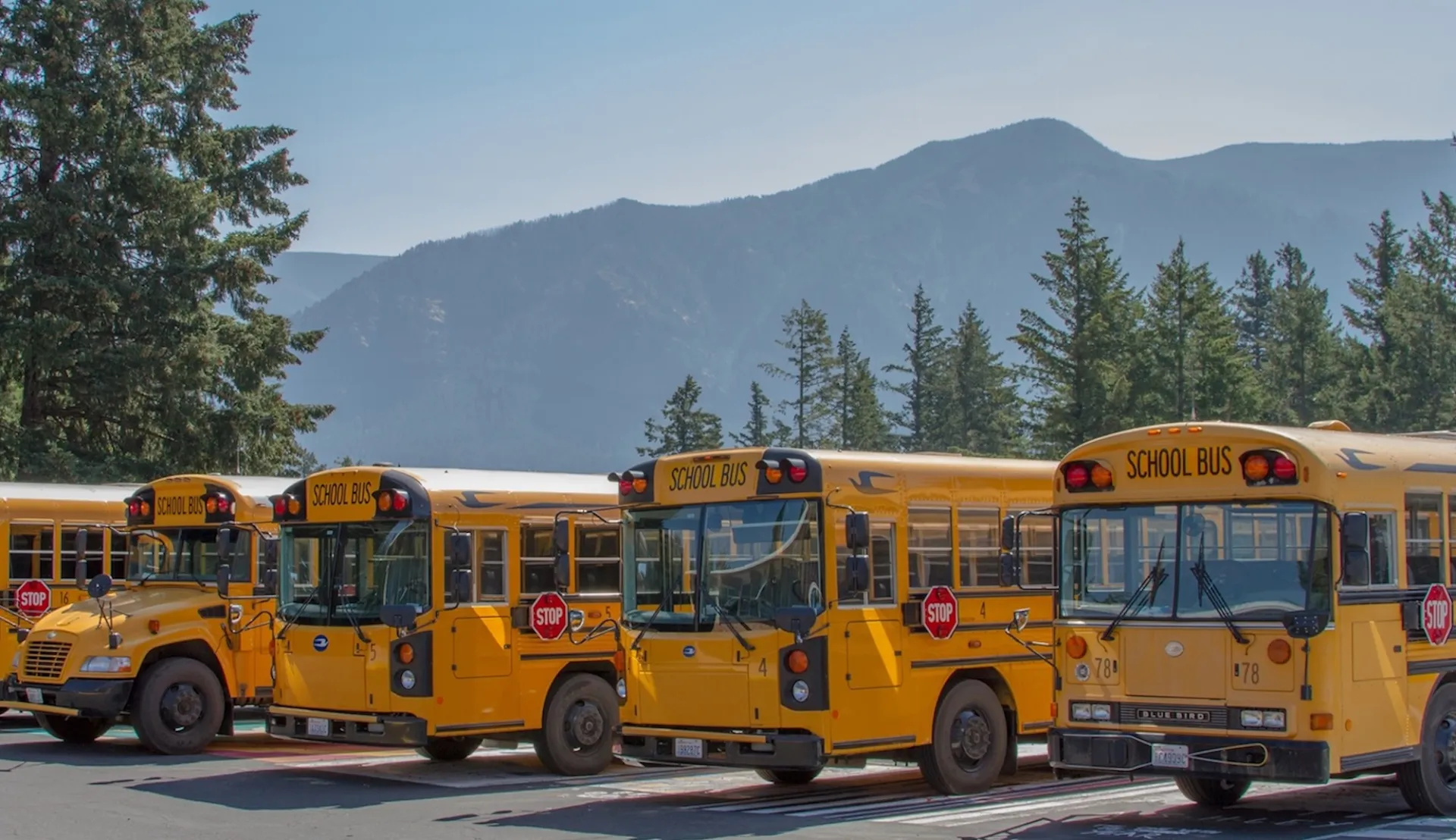
The beautiful rural community of Carson, Washington, sits along the Columbia River Gorge and is surrounded by forests. But this idyllic setting comes with a serious downside for the Stevenson-Carson school district, explains high school science teacher Joseph Hantho.
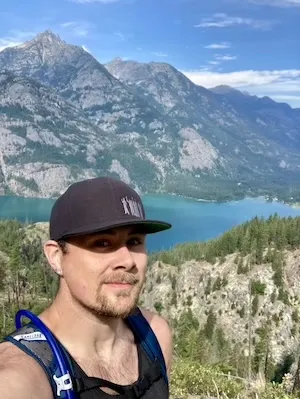
“If you look at a map you see that less than 2 percent of Skamania County is taxable land,” he explains. That’s because more than 80 percent is federal forest land, and another 18 percent is state leased land.
Like many other rural districts near forest land, Stevenson-Carson schools rely on a special funding stream that Congress set up in the year 2000—the Secure Rural Schools (SRS) and Community Self-Determination program—to offset diminishing timber sales that used to sustain those school systems.
Educators cheered when SRS funding was reauthorized on December 9, thanks to the determination of a bipartisan group of lawmakers. But for some communities, the lack of sustained SRS funding had already taken a devastating toll.
Broken Promises, Real Consequences
In 1908, the federal government began sharing 25 percent of timber sales with local communities where national forests are located to compensate for the fact that federal land cannot be taxed. But a sharp decline in timber sales in the 1990s prompted Congress to pass SRS as a guaranteed funding source to help rural communities maintain roads and fund schools.
Rural schools educate 20 percent of all public-school students—that’s roughly 9.5 million students. Although Congress has consistently renewed SRS with strong bipartisan support, it was held up in 2023, referred to a House committee where it languished.
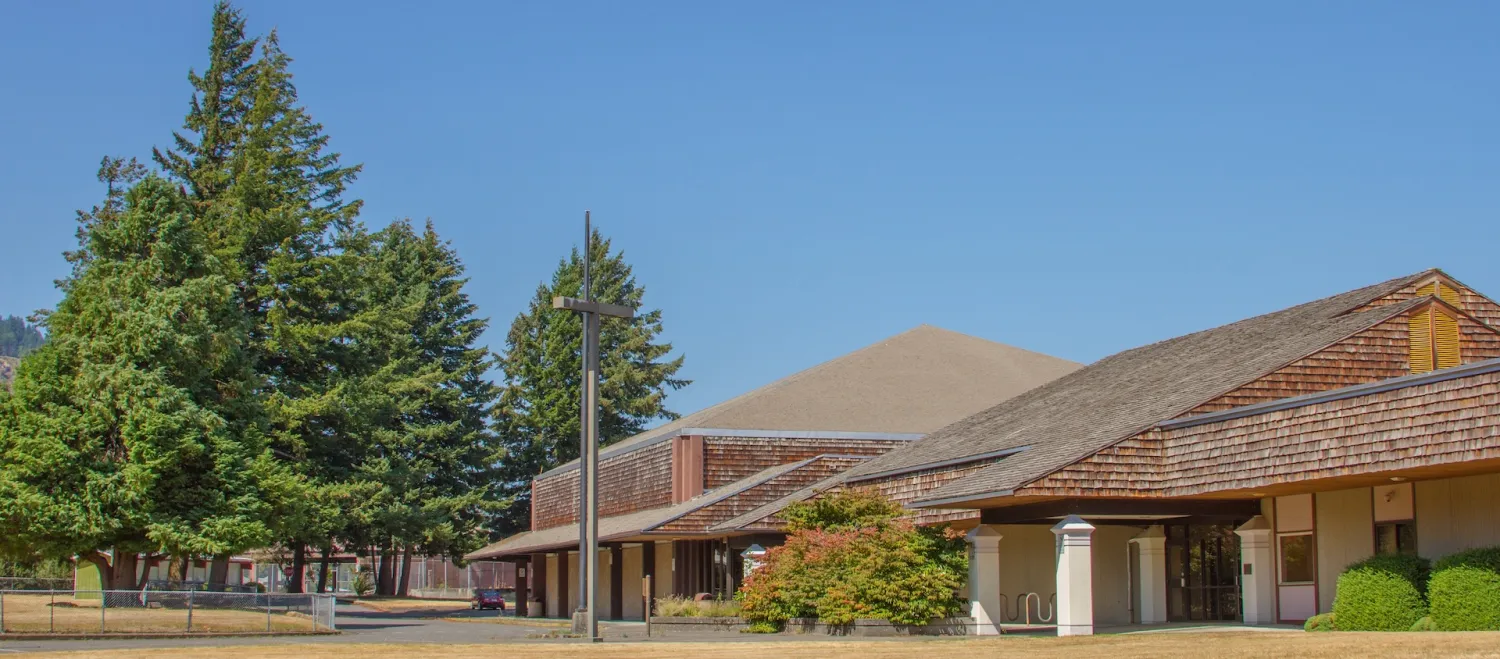
That meant that Skamania County went from receiving $2.6 million in FY 2023 to nothing in FY 2024. And that forced the Stevenson-Carson School District to make tough choices.
In the spring, the district held community meetings to discuss the only three options on the table—close Wind River Middle School, go to a four-day school week, or cut all sports.
“Sports are absolutely essential for kids in the sticks, so that was off the table,” says Hantho. “The thing that made the biggest difference budget-wise was to close the middle school.”
“When I started here a few years ago, this district had four schools—two elementaries, one middle, and one high school,” says Hantho. “Now we’re down to just one elementary school and a combined middle school/high school. We went from 51 certificated staff down to 36.”
Nationally, SRS supports more than 700 counties across 41 states. Many of those communities faced similar turmoil during the years-long delay in reauthorizing Secure Rural Schools funding.
A Victory at Long Last
NEA members and staff helped advocate for the SRS reauthorization, making calls and sending messages to members of Congress and lobbying federal lawmakers in D.C. and during their back home events.
“This couldn’t have happened without grassroots activity and awareness,” says Deb Koolbeck, NEA’s expert on rural school issues. “As lawmakers heard the stories their constituents were sharing—about schools closing, and key services lost—the urgency grew.”
U.S. Representatives Doug LaMalfa (R-CA), Glenn “GT” Thompson (R-PA), Cliff Bentz (R-OR), as well as Joe Neguse (D-CO), Marie Gluesenkamp Perez (D-WA), and Val Hoyle (D-OR) led the charge to get the SRS reauthorization done. Senators Mike Crapo (R-ID) and Ron Wyden (D-OR) led in the Senate.
“Every student in this country, regardless of ZIP code, should have access to strong opportunities and adequate resources,” said NEA President Becky Pringle upon the bill’s passage. “In a nation where one in five public school students attends a rural school, we need the Secure Rural Schools Act to ensure every public school has what they need to learn and thrive.”
“I am thankful to every member of Congress who stood up for America’s students and educators and championed this critical legislation.”
The Secure Rural Schools Reauthorization Act provides back pay for fiscal years 2024-25, as well as funding for 2026.
Rural students and educators will count on members of Congress to reauthorize the legislation once again when it expires in September.
Strengthening the Voices of Rural Educators
The specific concerns of rural educators are too often missing in conversations about public education. The National Education Association wants to change that.
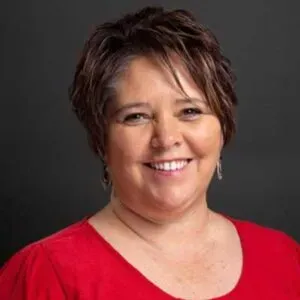
Peggy Hoy has 34 years of experience as an educator in Idaho and is currently on full-time release to organize for the Idaho Education Association.
“Idaho is very rural. As I traveled around the state last year in this role, I spent a lot of time talking to educators and getting a better understanding of the discrepancies between urban and rural districts in both teacher pay and resources,” Hoy says.
“I visited with one superintendent in Central Idaho who was looking at having to close a school because they were getting too far behind financially. Another school in that region was going to have to lay off eight teachers in January if SRS didn’t come through,” she says.
“I even learned of an elementary school up north where a classroom paraeducator drives the school bus in the morning, then passes the keys off to a school cafeteria cook to drive in the afternoon. They are not compensated for the extra hours, but there’s simply no one else to drive the bus.”
These were just some of the conversations that inspired Hoy to propose that NEA establish a Rural Educators Caucus, which had its first official meeting at the 2025 NEA Representative Assembly in July.
“This is a step forward, in getting our rural members organized and empowering those educators,” says Hoy. “It’s going to help NEA advocate for what they need.”