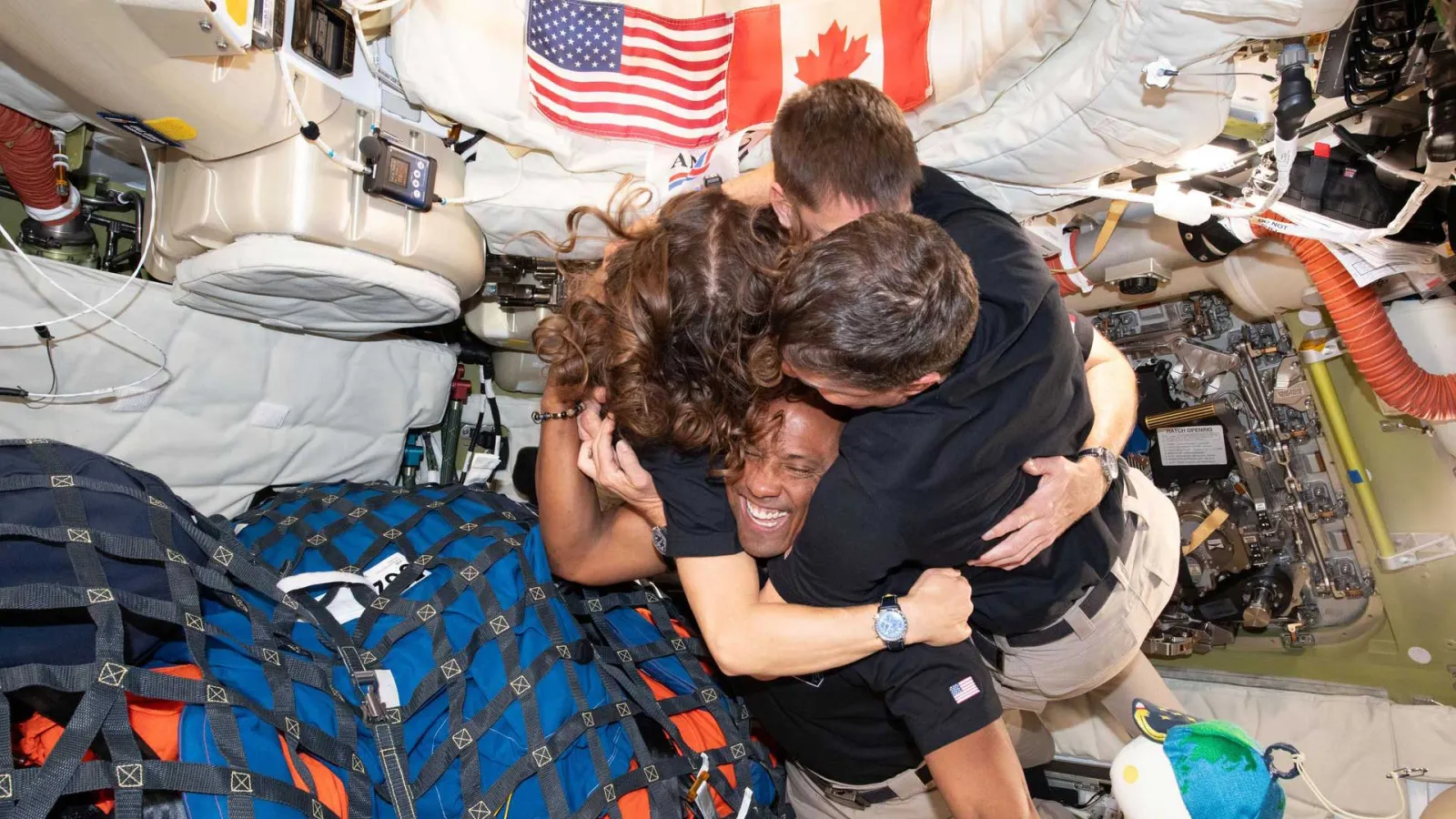
There really is much more that unites us than divides us, says Nat Cardozo, author and illustrator of Origin, a stunningly visual picture book about Indigenous people and their connection to the natural world.
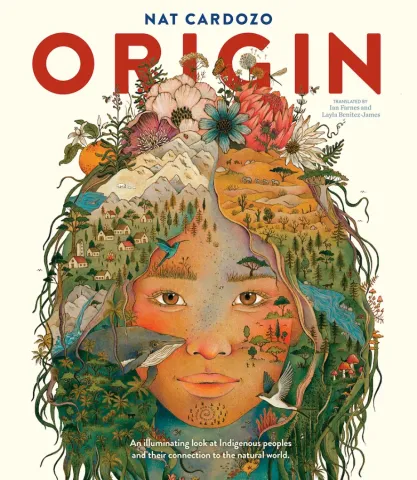
“We too often forget that we all have the same origin, that all of us around the world were made in the same way,” she says. “When you think about our origin story, and of our planet -- among all of the planets in the cosmos -- there is a deep connection that ties together the inhabitants of the world.”
On April 22, classrooms around the country and the world celebrate Earth Day. Earlier this month, they watched with awe as the Artemis II made its historic mission to the moon. What do those two events and the book Origin have in common that can offer lessons to students? Turns out, quite a bit!
Similar Message, Similar Mission
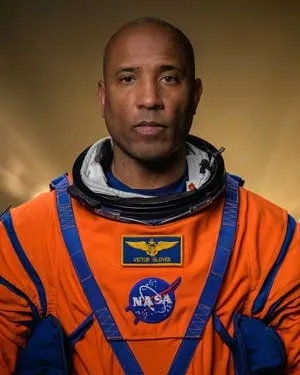
On Easter Sunday, April 6, Artemis II astronaut Victor Glover shared a unifying message in a broadcast from space.
“You guys are talking to us because we’re in a spaceship really far from Earth, but you’re on a spaceship called Earth that was created to give us a place to live in the universe, in the cosmos,” Glover said in a live broadcast to CBS News. “…In all of this emptiness…this thing we call the universe…you have this oasis, this beautiful place that we get to exist – together… This is an opportunity for us to remember where we are, who we are, and that we are all the same thing and that we’ve got to get through this together.”
It was a hopeful message in a difficult time where divisions and strife threaten our global community.
Glover’s inspiring words also reflect the theme of Origin, which is featured on NEA’s Read Across America Earth Day booklist: We are one.
As we celebrate Earth Day on April 22, Origin allows students to explore the unity and harmony that exists between Indigenous cultures and nature, as well as the lessons we can learn from them in our ongoing efforts to protect the planet.
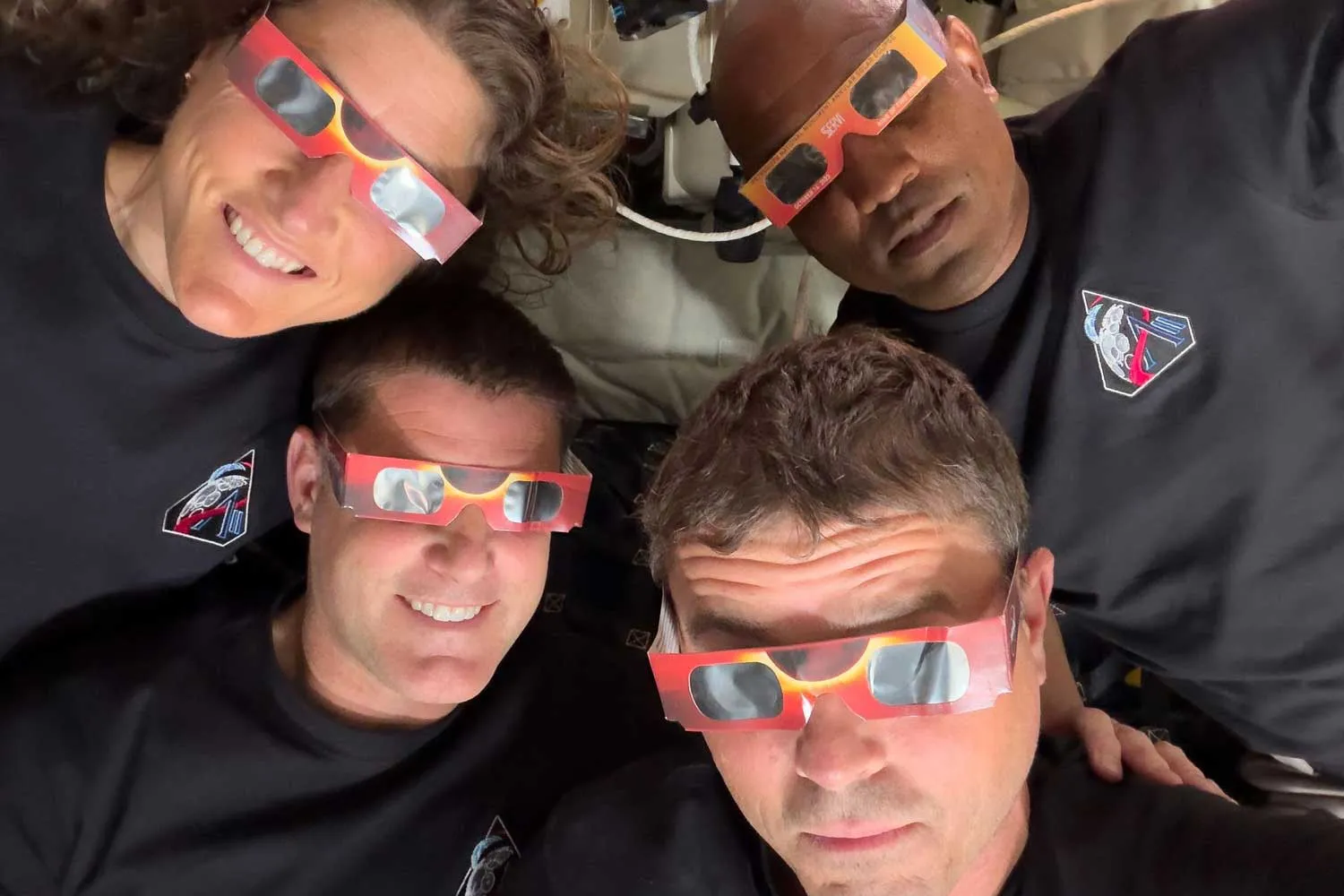
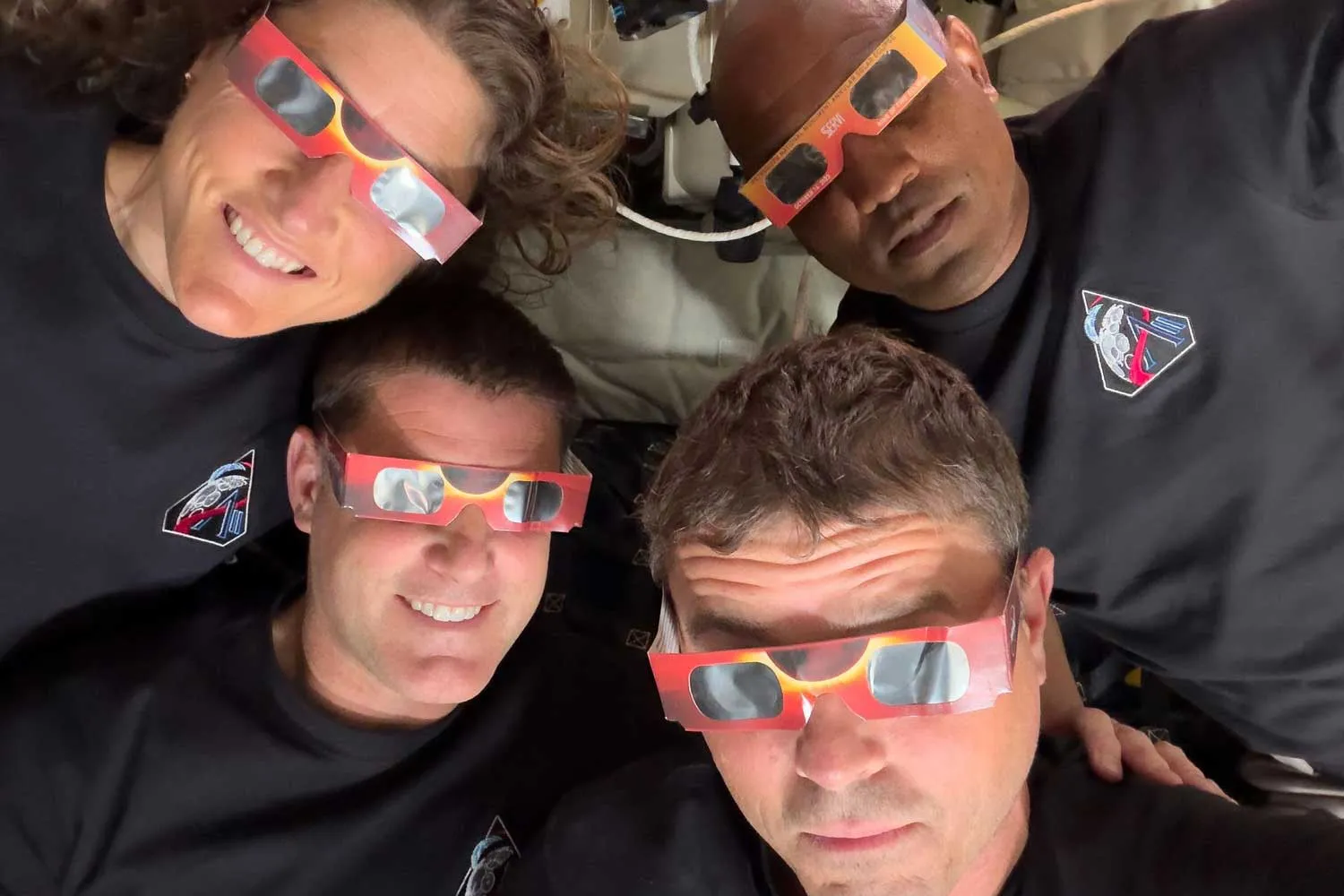
The Artemis II mission offers lessons about the remarkable achievements people from different countries can make when they work together; how small and precious our planet is when viewed from space; and how the scientists, engineers, and astronauts of NASA provide data that help track the health of the planet.
Indigenous Wisdom Meets Astronaut Insight
When researching her book, Cardozo discovered that there are more than 5,000 Indigenous cultures around the world. She narrowed her research to 22 “first nations” who were the first humans to inhabit their parts of the world, but she takes a contemporary look at the modern threats to their natural resources and way of life.
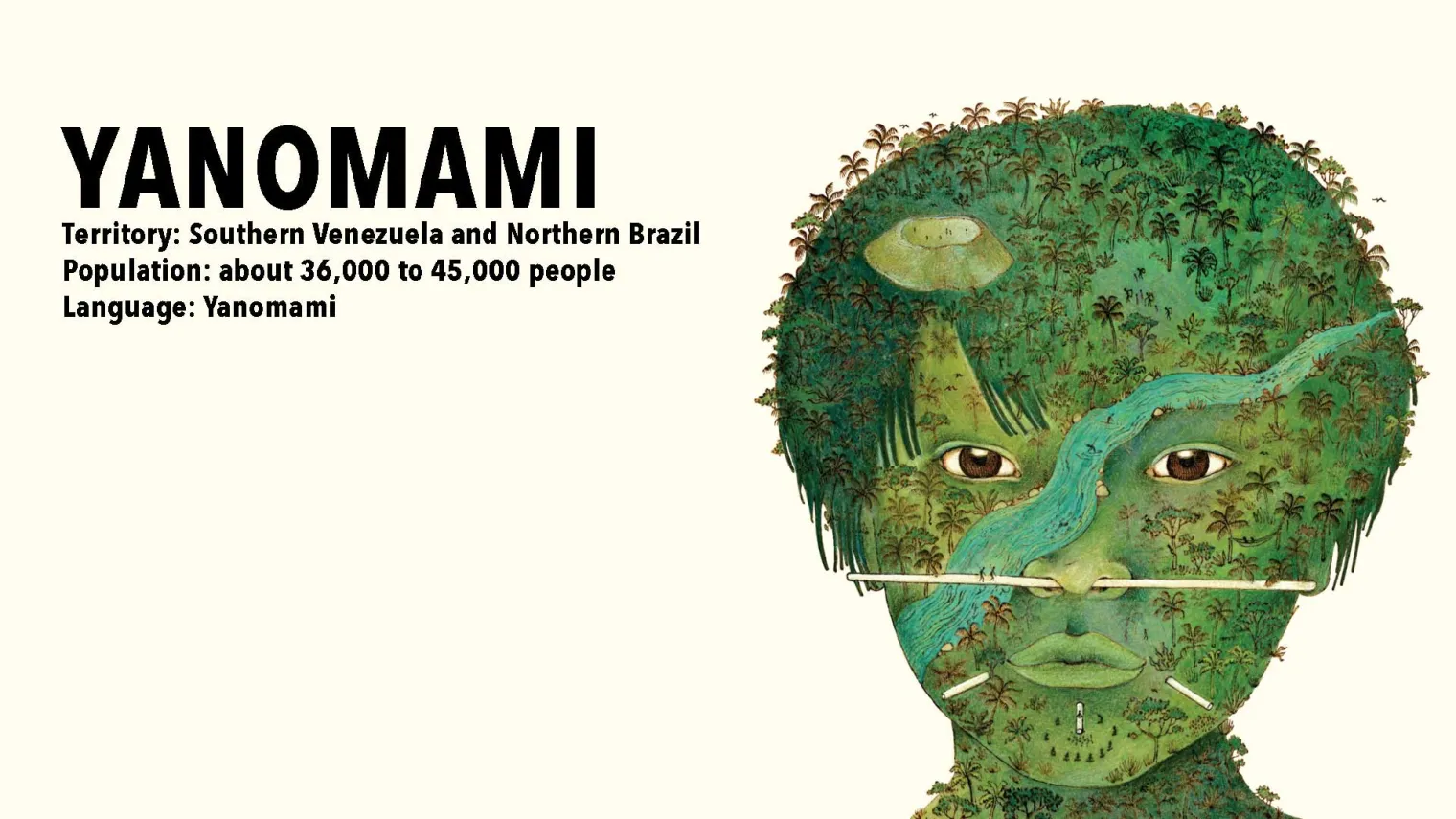
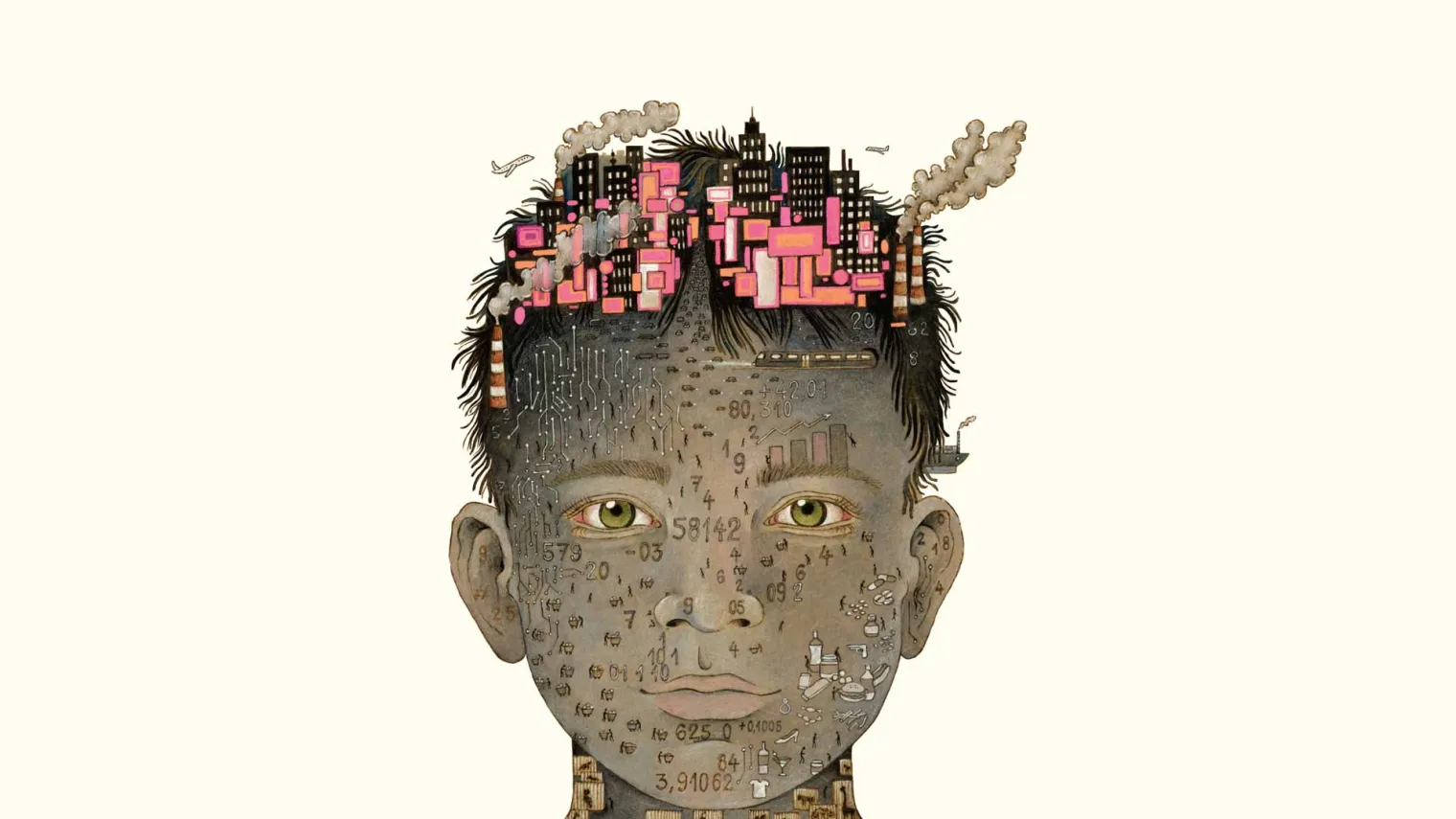
The book features vividly detailed portraits of Indigenous children that reflect their communities, with each double-page spread presenting carefully illustrated aspects of the physical landscape, flora, fauna, and traditional dress of each Indigenous group.
Origin
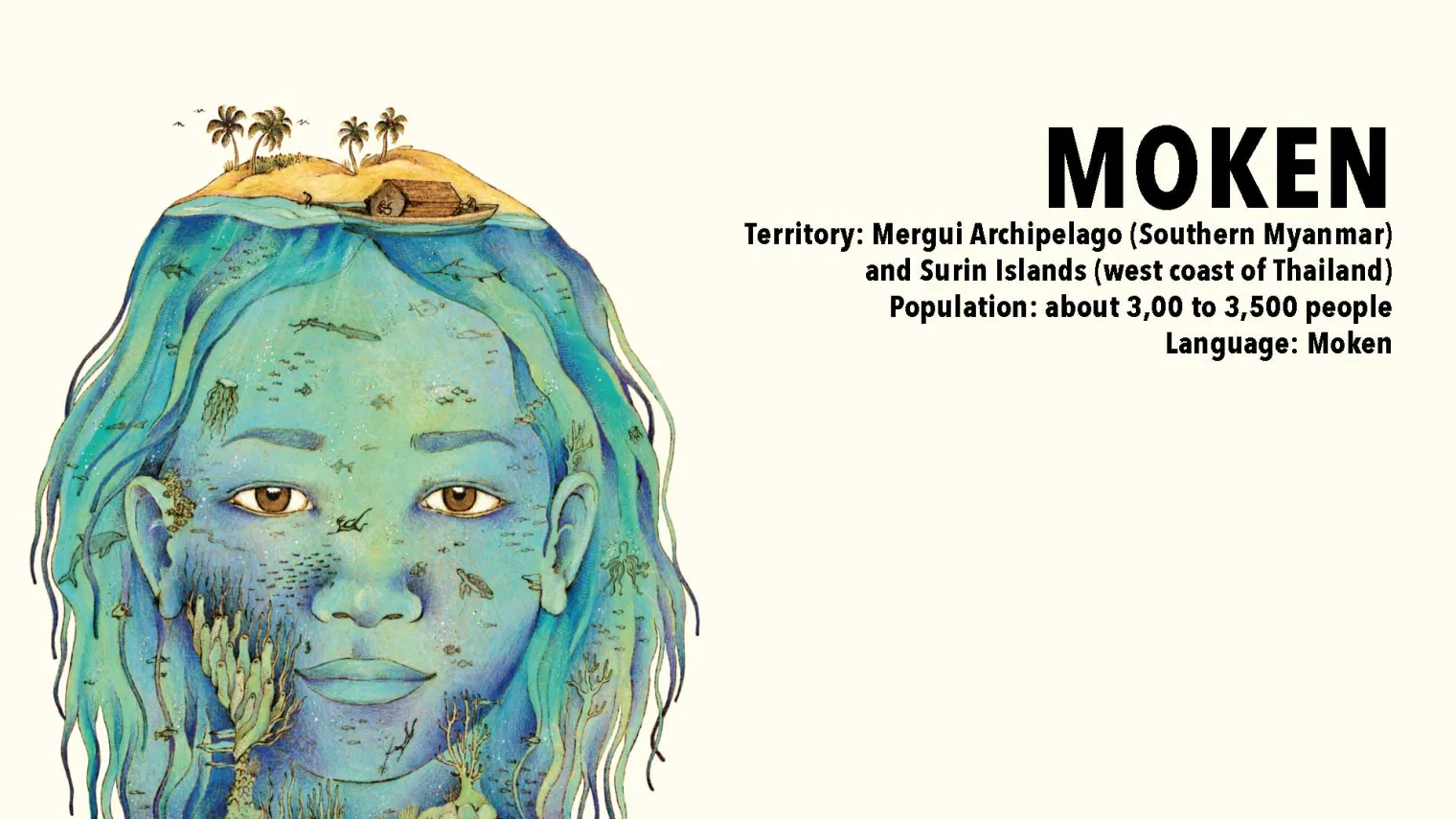
Nat Cardozo
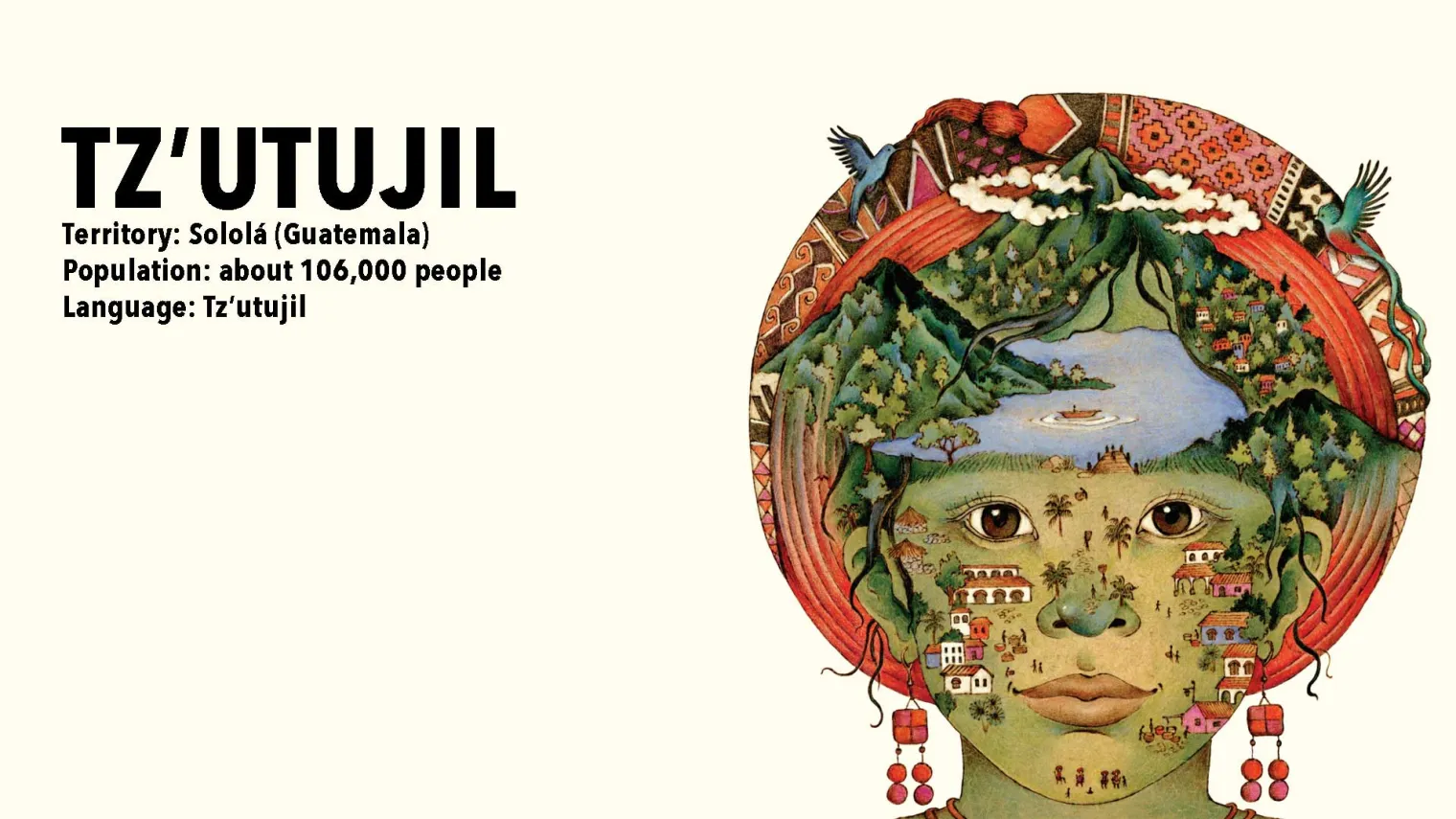
Nat Cardozo
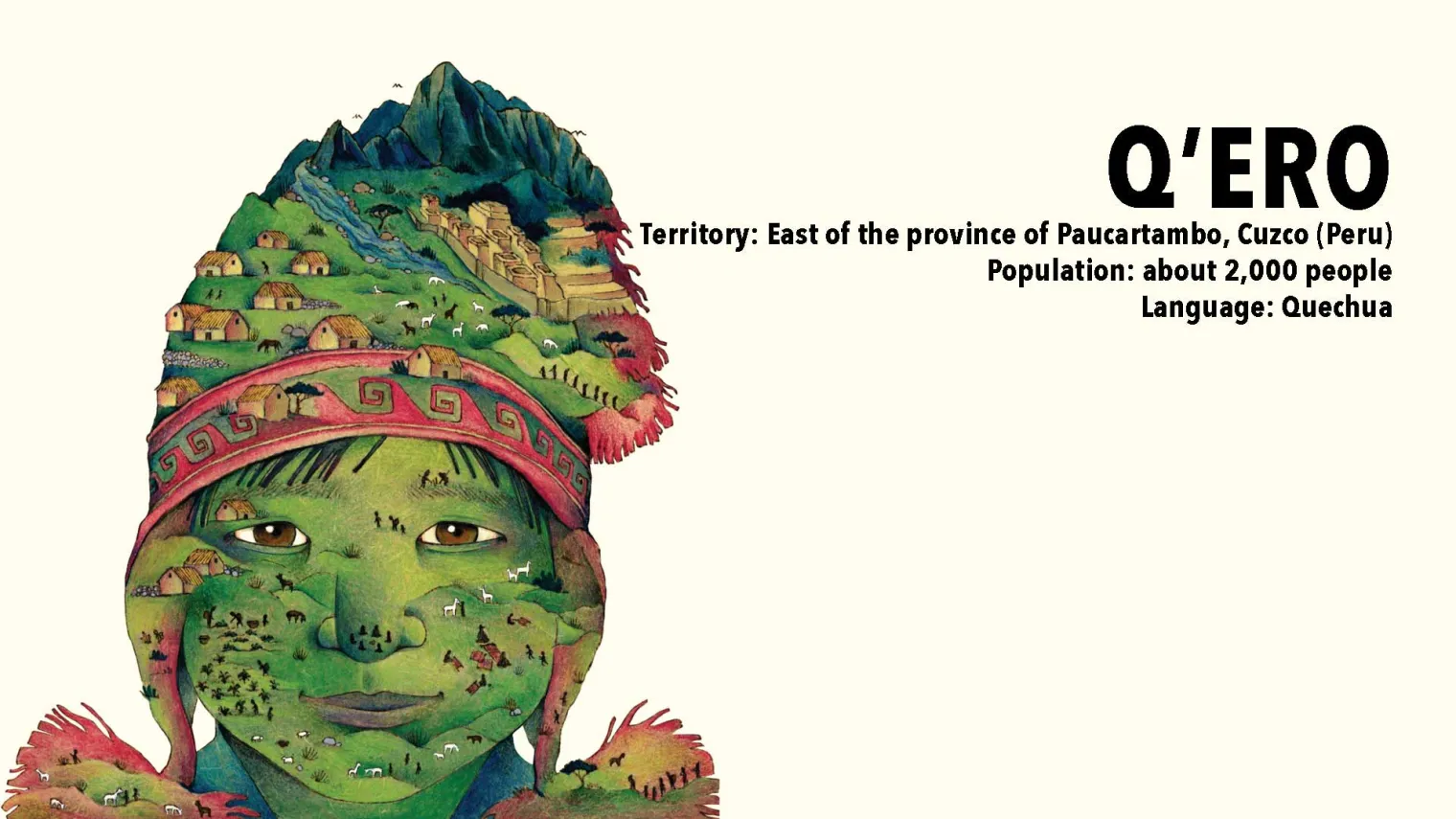
Nat Cardozo
Nat Cardozo
Nat Cardozo
All the portraits represent cultures that, despite obstacles, maintain ways of life where the relationship with nature is based on respect, cohesion, and gratitude.
Included in the back of the book is a map of the world highlighting the locations of these 22 Indigenous groups. There is also a section titled Learn More, Understand More, which offers additional information on several of the cultures featured in the book.
Indigenous people are among the most marginalized populations in the world today. But despite the dispossession of lands and rights, their communities continue to live in relation to nature in a radically different way from those who see it as a resource to exploit and profit from—a practice that science shows is harming the health of the planet, putting all forms of life at risk.
“My main motivation in researching, writing and illustrating Origin, is that we have so much to learn from the wisdom and knowledge of Indigenous people,” says Cardozo. “I hope to inspire readers to do their own research and maybe begin to question our current way of life.”
NASA’s lunar missions have traditionally had similar goals—to understand the correlation between the moon’s history and the evolution of life on Earth as well as how it is changing, and to inspire others to build on that science and question how interconnected systems interact and affect everything from sea level rise and the health of the ozone layer to air pollution, warming trends, and changes in sea ice and land ice.
The Overview Effect
There is a phenomenon that creates powerful changes in the way astronauts think about Earth and life after witnessing it from space. It’s known as the “overview effect.” They describe it as experiencing the beauty and interconnectedness of our home planet.
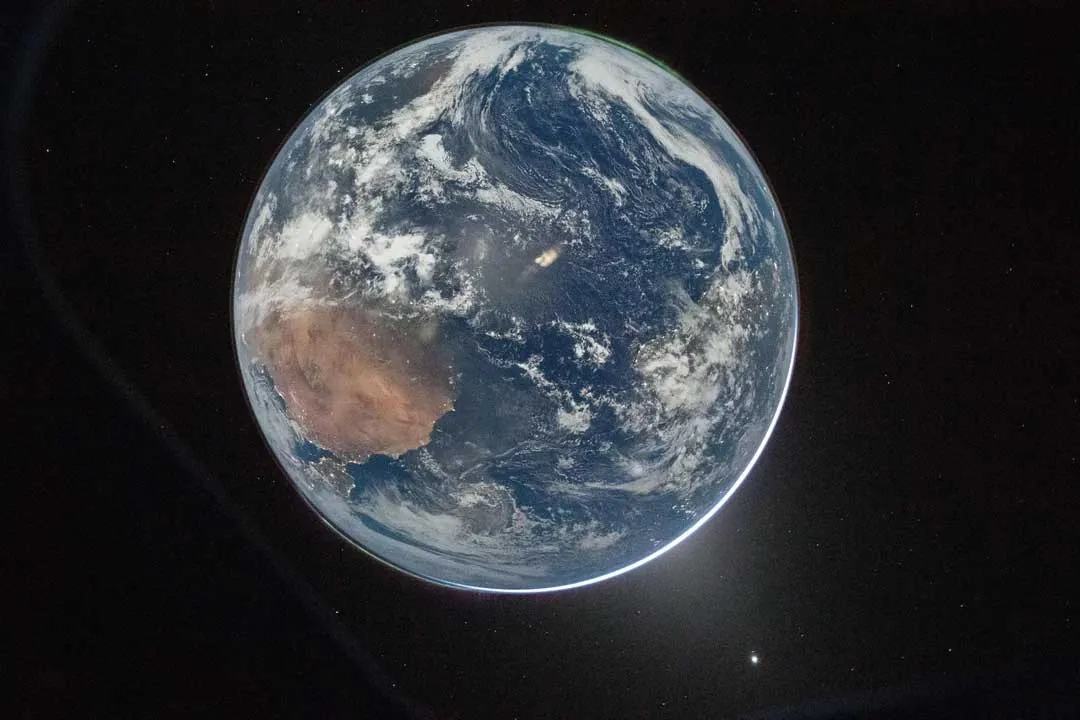
“The overview effect is when you’re looking through the cupola and you see the Earth as it exists with the whole universe in the background…,” Artemis II astronaut Christina Koch told the Johnson Space Center. “You don’t see borders, you don’t see religious lines, you don’t see political boundaries. All you see is Earth and you see that we are way more alike than we are different.”
Artemis II astronaut Victor Glover put it this way: “You come back to sea level, and then you have a choice,” he explained. “Are you going to try to live your life a little differently? Are you going to really choose to be a member of this community of Earth?”
Quote byNat Cardozo, author of Origin
From the Moon to Earth Day
In 1968, which was a time also marked by political division and global unrest, the crew of Apollo 8 was on a mission around the moon, testing the spacecraft that would be used for future lunar landings.
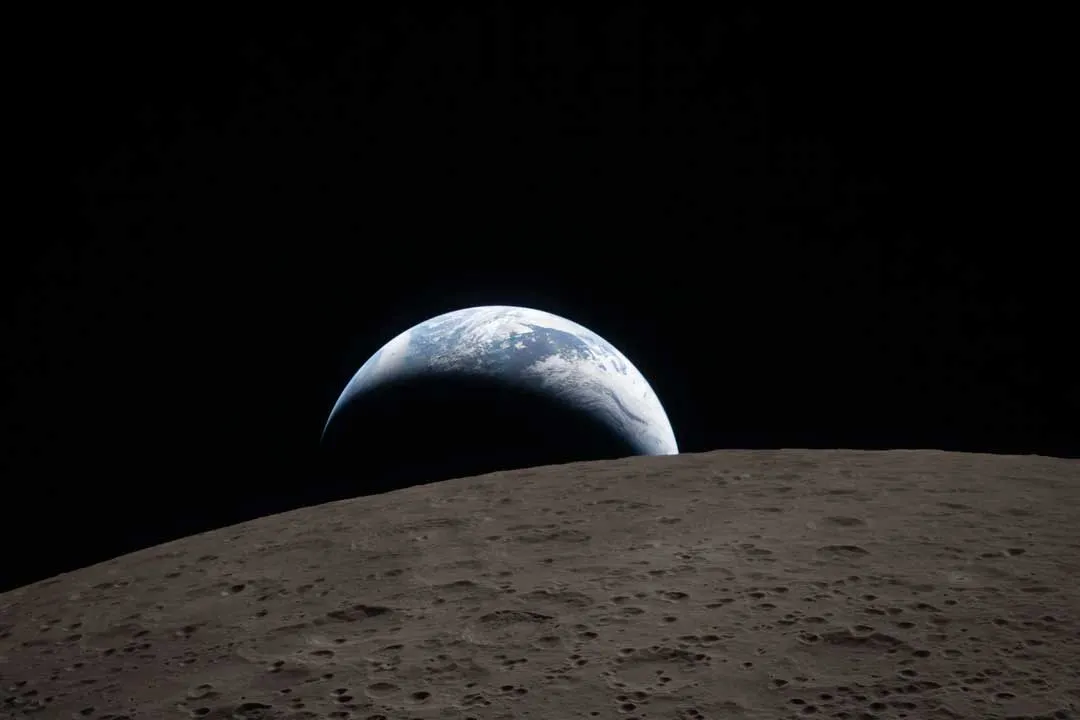
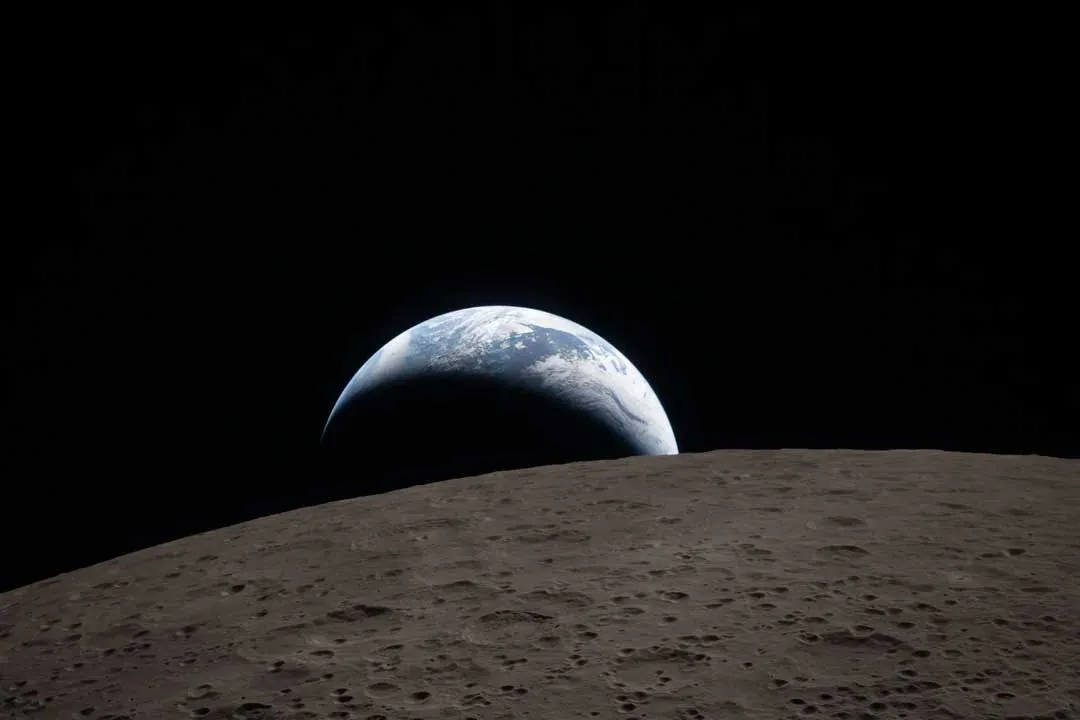
On Christmas Eve, crew member William “Bill” Anders captured a photo of the Earth and the moon in the same frame. The iconic photo, called “Earthrise,” has often been cited by NASA as a catalyst for the global environmental movement that led to the establishment of Earth Day in 1970.
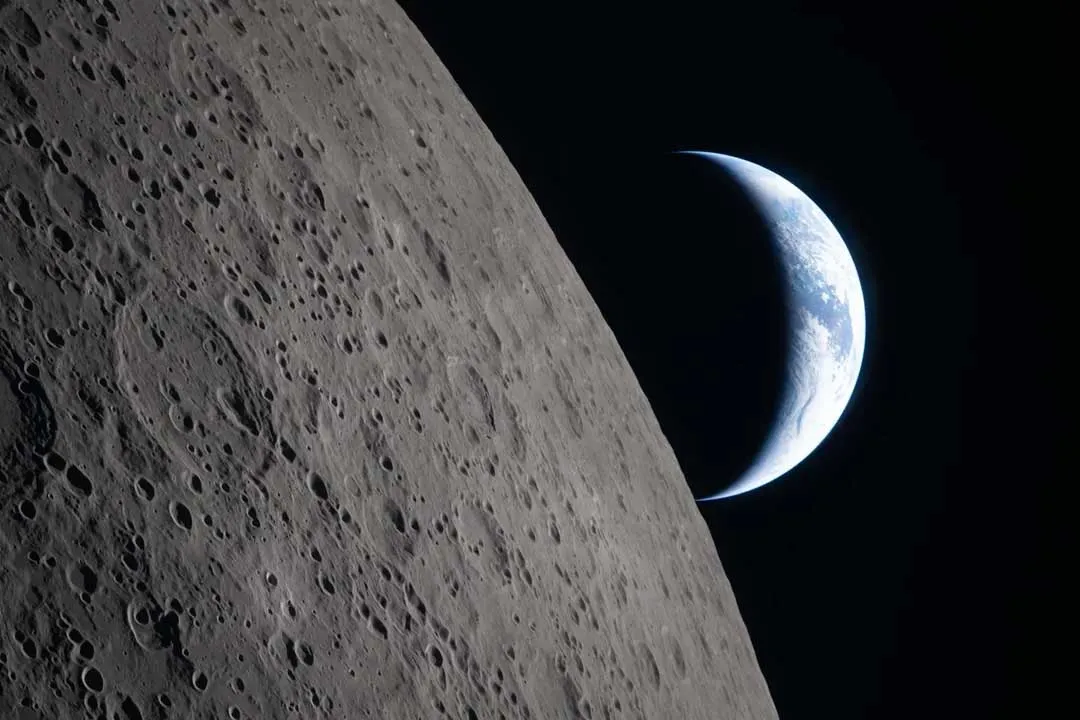
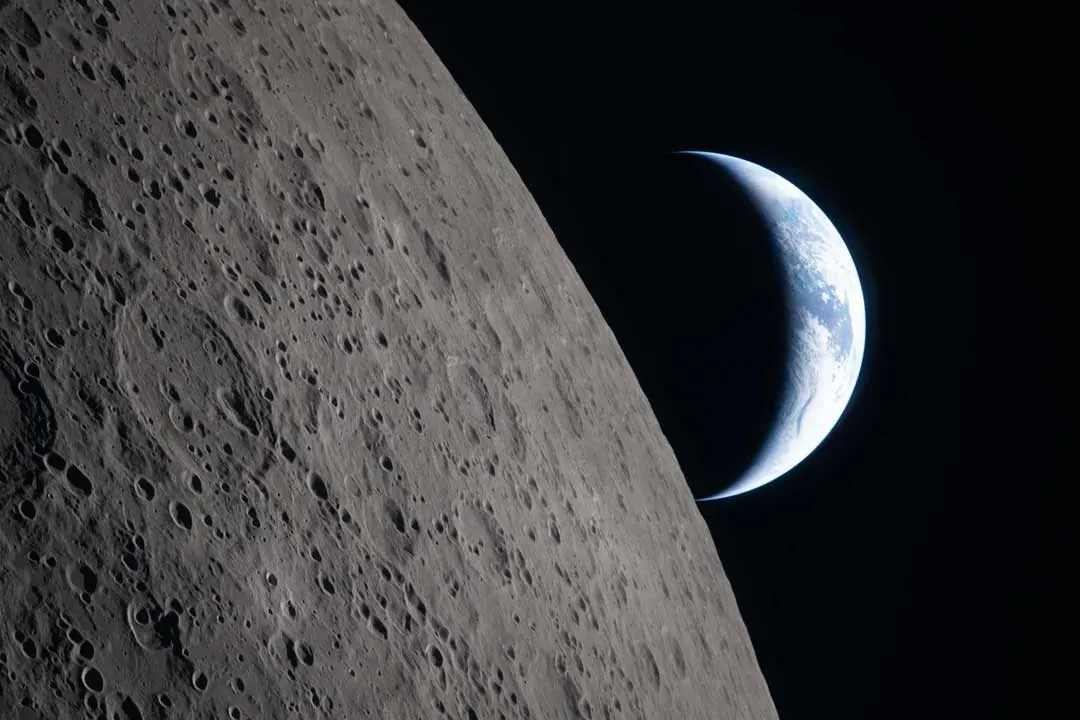
Nearly 60 years later, as the world is again undergoing political division and global unrest, the Artemis II crew captured the Earth setting as they flew around the dark side of the moon. In “Earthset,” they described seeing impact craters, ancient lava flows, and surface cracks and ridges formed as the moon slowly evolved over time.
“There are words that hold within them the complexity of the whole world,” writes Nat Cardozo in her book’s introduction. “Origin is one of them. At our point of origin, all the living beings that now inhabit Earth were stardust. We are made of the remains of stars that died billions of years ago. It is this shared origin that connects us to all other living beings, to nature, and to the multidimensional fabric of the whole universe.”
With clues from the cosmos and wisdom of ancient people, this Earth Day offers students a timely opportunity to think about the universal interconnectedness of people and the planet.
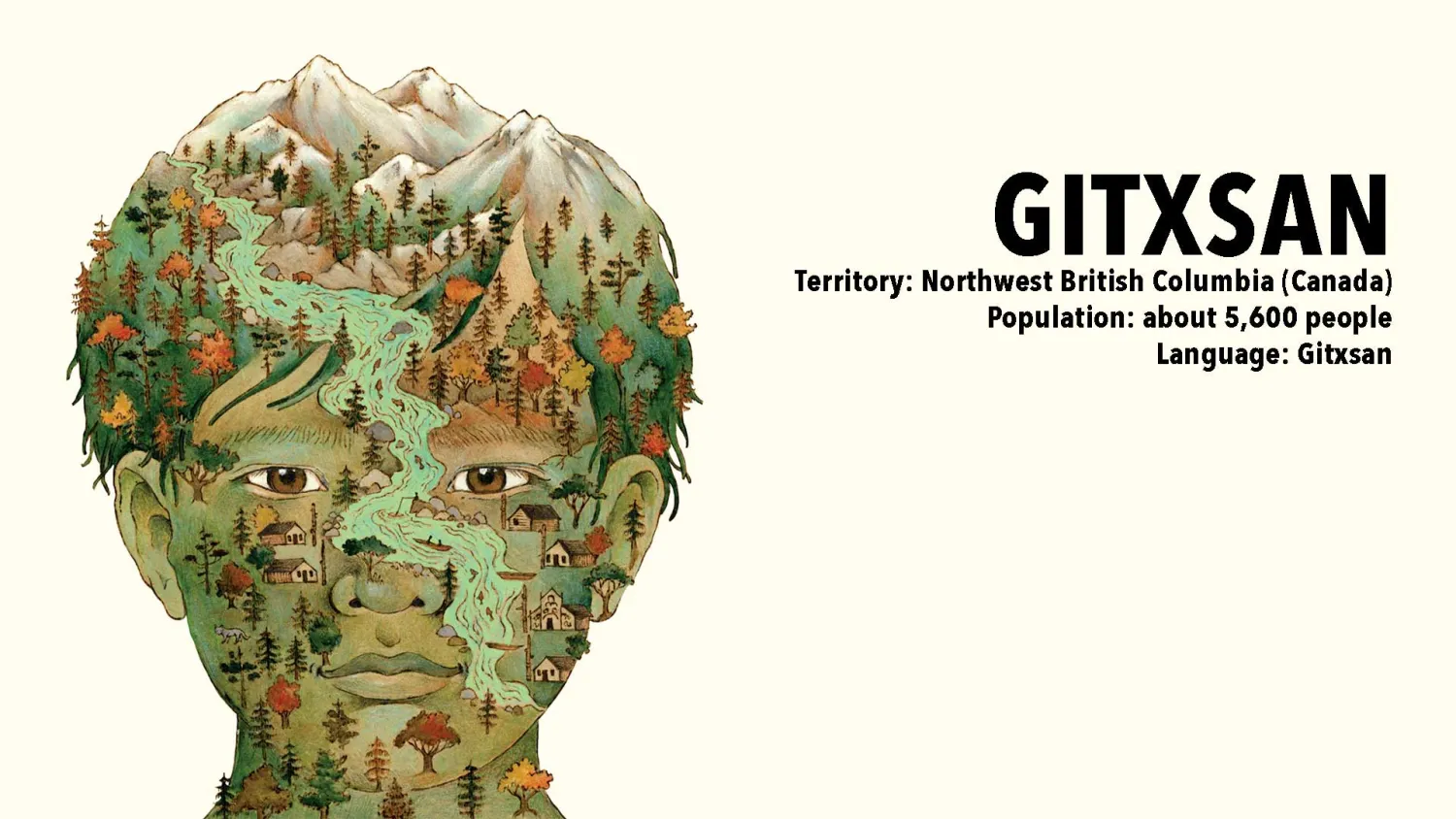
In one of her portraits of Indigenous children, Cardoza includes an illustration of a Gitxsan boy. The Gitxsan, or “people of the river mist,” have inhabited the ancient forests of Northwest British Columbia for thousands of years.
According to a Gitxsan saying, “Our health depends on how we treat ourselves and upon everything else that exists beneath the sky of this immense place that is our planet.”
In other words, every day is Earth Day.