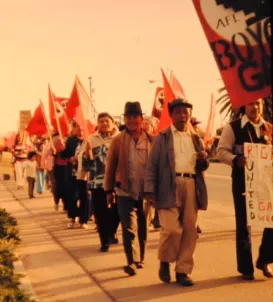
When Michelle Aquino’s great-grandfather came to Hawaii as a sakada, a plantation laborer, his bosses paid him a dime a day. A single cigar in the company store cost 5 cents, or a half day’s wages.
“In the plantation hierarchy, Filipino workers came later [beginning in 1906], were paid the lowest and given the most grueling jobs,” recalls Aquino. That historical lack of status still affects how many people think, she says. Aquino grew up hearing Filipino jokes; her relatives were likened to termites. Sometimes, to avoid shame, the grandchildren of sakadas tell people they are Spanish.
“For many [Filipino] people, there’s this type of identity crisis, of feeling less than,” she says.
Today, a new Filipino history and culture class for Hawaii high school students, developed by students and educators including Aquino, aims to flip those feelings. The truth is Filipinos are essential to agricultural and labor history, as well as our current economy. The problem is students don’t know it.
“Filipinos are never seen,” says Aquino. “We’re the third-largest Asian American population in the United States but we’re largely ignored.”
Why Learn This?
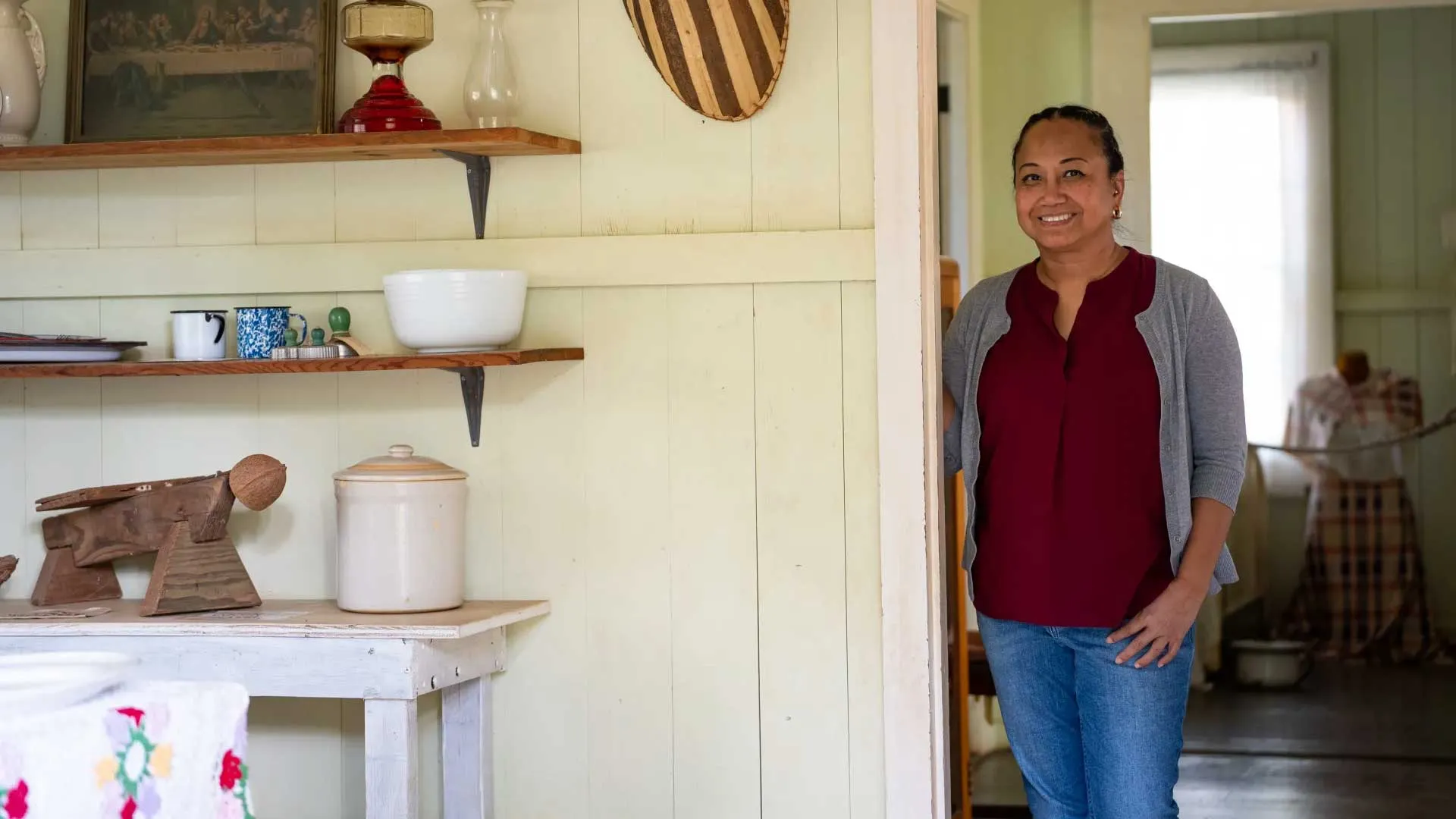
On a recent walk through Hawaii’s Plantation Village, an outdoor museum of old plantation gardens and housing, Aquino steps back in time. Inside the “Filipino Family House (Circa 1935),” a leathery pig sits on the kitchen table and a porcelain Catholic saint on a small altar. Next door is dormitory-style housing, where young Filipino men lived in the early 20th century. A pair of gnarled boxing gloves hangs from a peg.
In her classes at Farrington High School, in Honolulu, Aquino asks her students to imagine what it was like for those men. “Close your eyes,” she tells them.
Aquino describes the spartan rooms and prompts students to think about the immigrant experience. “These men came on boats that took two weeks to come here, with a single suitcase. They carried basically two changes of clothes, a Bible, and a few little things from home,” she says. While most intended to return to the Philippines, it could take six years to earn a ticket. “The money they earned from the plantation company went right into the company store to buy food,” she notes.
Lessons like these have been rare in Hawaii schools, even though 1 in 4 residents of Hawaii are Filipino. “A lot of my friends are second, third generation… and they know nothing about their people. It saddens me,” says Farrington senior Jo Salazar, who is a first-generation immigrant. “[In this class], not only do Filipinos learn about ourselves, other people get to learn about us as well.”
Among Asian ethnic groups, Filipino students have a lower college-attainment rate than some others—but culturally relevant lessons have the power to change this. “A lot of research shows that if you’re teaching the kids about who they are and about their history and people, and you connect them with their culture, it will change their trajectory,” says Aquino.
“Finally Finding Solidarity”
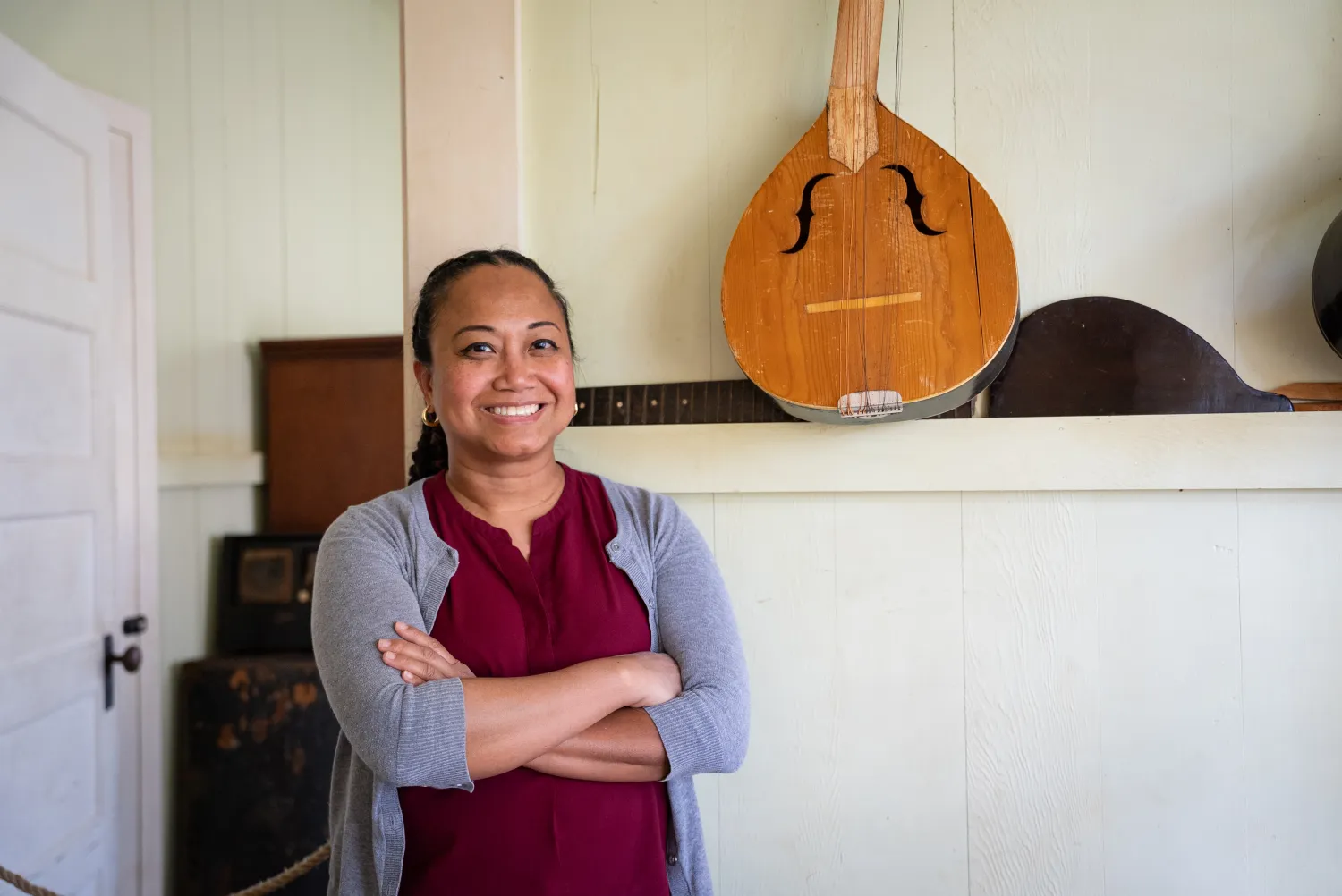
In 2021, a small group of Filipino students on Oahu got fed up: they started Hawaii’s Filipino Curriculum Project, aiming to get a course developed. They reached out to Aquino, who had already added her own Filipino unit to Farrington’s Asian American history course, and she came on board as a curriculum developer.
Two years ago, Aquino was one of two teachers piloting the new course. The other was Raymart Billote, of Oahu’s Waipahu High School, who had co-founded the curriculum project as a student. Now, the single-semester course, the first of its kind in the U.S., is loaded with six units, including “civic action.” In Aquino’s class, it includes a fashion show and culminates with Sakada Day, in December, when students present their history projects—movies, comic books, fashion designs, and more—to community members.
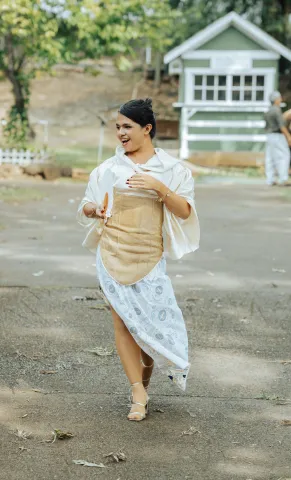
“It’s like this day, when they wake up and say, ‘hey, I’m going to own who I am and my culture,” says Aquino.
It’s a powerful lesson: “In the two years that I’ve taught it, [my students] have gone from learning absolutely nothing about their culture, because of the shame their parents felt…to speaking up and talking deeply about issues in the community,” she says. “We’re finally finding solidarity with each other.”
Get AANHPI History & Culture Resources
Among NEA's recommended resources is the new UCLA Asian American Studies Center's multimedia textbook Foundations and Futures, which includes chapters on "Filipinx American Histories" and the "Labor & Activism of Filipino Farmworkers."