Higgins Middle School in McComb, Mississippi, was once occupied by Burglund High School, a segregated high school for Black students during the Jim Crow years. It’s also the site of a historic student walkout during the Civil Rights movement and is a symbol of resistance and resilience.
“The pride from that period of time is the foundation for the push for excellence and high expectations for all students,” says Betty Wilson, a McComb School District administrator and NEA member.
Representation Matters
A big part of the pride and excellence results from educators’ efforts to make students feel like they belong and are valued. Research consistently shows that when all students feel included, it boosts academic achievement, and one of the most proven strategies to foster inclusion is by regularly offering students books with characters and plotlines that make them feel seen and understood.
Representation matters, for all students, though students who have disabilities are less likely to see themselves in the pages of books. Fortunately, that’s changing with efforts like a grant program from NEA’s Disability Rights and Inclusion Initiative (DRI).
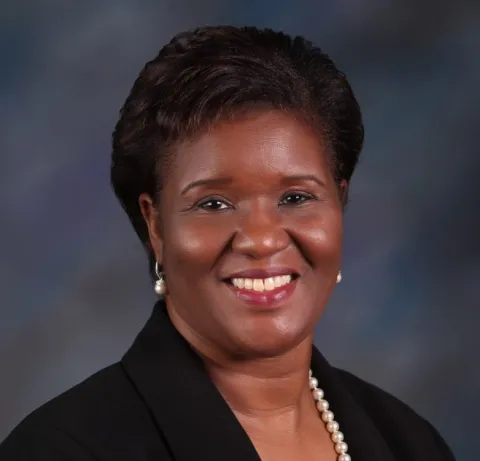
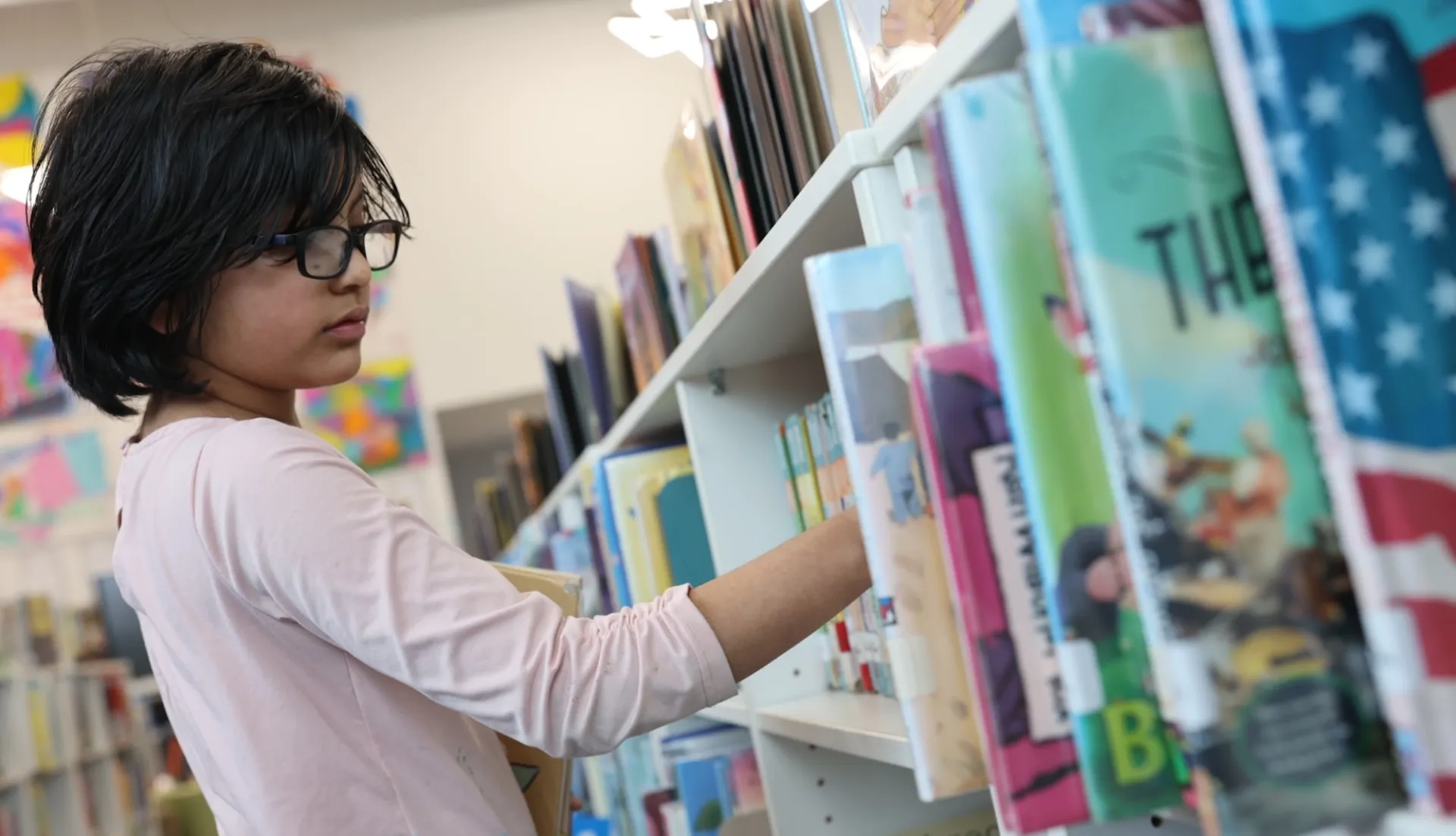
Libraries, like the one at Higgins Middle School, used the DRI grant to purchase books to expand their collection with disability representation, including books that feature characters with a wide range of disabilities, like autism and ADHD as well as visual or hearing impairment, mobility disabilities, and limb differences.
Disability Doesn’t Define or Limit Students
One book that Wilson says the Higgins students especially enjoyed was Honestly Elliot. This story follows a young boy named Elliott who has ADHD and is learning how to navigate school, friendships, emotions, and self-confidence.
“Students were particularly engaged by Elliott’s honesty, humor, and relatable struggles,” she says.
Another popular title students regularly check out is I Am Not a Label: 34 Disabled Artists, Thinkers, Athletes and Activists from Past and Present. When students read about famous people who also have disabilities, they learn that disability doesn’t define a person or limit their potential.
Expanding Inclusion Benefits Students and Educators
Laurie Conley is a librarian and department chair at Oak Park Elementary School District 97, which serves a large population of about 4,800 students in Illinois.
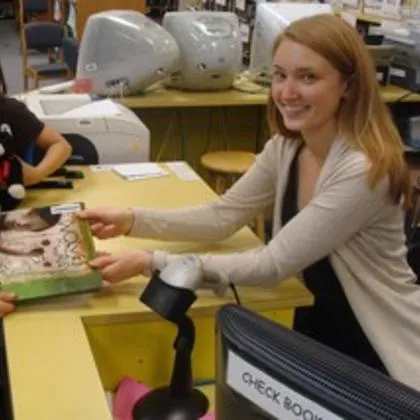
District 97 fosters a culture centered on inclusion, academic excellence, and the whole-child approach, Conley says, emphasizing social-emotional learning, community partnerships, and strong family engagement. Each school provides a supportive, diverse environment where students are encouraged to think critically, act compassionately, and contribute positively to their community. The new DRI books from NEA’s grant furthered their culture of inclusion, benefiting students and educators alike.
“The books accessed most frequently were realistic novels that explore mental health and emotional challenges, particularly focusing on issues like anxiety,” Conley says. “These stories resonate with readers because they combine relatable characters with visual storytelling, making complex topics more approachable.”
Also popular are graphic novels dealing with various forms of disabilities - kids loved Marshmallow and Jordan, for example, she says, a graphic novel about a sports-loving girl who becomes disabled after an accident and a magical white elephant, named Marshmallow, who helps her find another sport and path forward.
“These books have helped raise awareness of disability perspectives,” Conley says. “By reading and discussing these books, students and staff gain insight into the emotions, struggles, and strengths of individuals with disabilities, fostering empathy, understanding, and more inclusive attitudes. They also provide a platform for meaningful conversations about differences, mental health, supporting peers, and contributing to a more compassionate school community.”
High Impact Ways to Feature New Books
Librarians who received new books featuring characters with disabilities have featured them in read-alouds, library book talks, and grade level book clubs. They’ve created displays in the library and pointed them out to students who come through, announced their addition in staff meetings and bulletin boards, and included them in presentations during Disabilities Awareness Month.
Alicia Goyal, a librarian at Henry Elementary in the Parkway School District in Missouri, a suburb of St. Louis, created a section in her library that featured the books and information on NEA’s DRI grant and also conducted a book delivery program to classrooms including the new books.
Goyal says her students come from diverse backgrounds where more than 20 languages are spoken in addition to English. There are also many students with disabilities.
“We are lucky to be surrounded by diversity in all forms,” Goyal says.
After purchasing a variety of books with NEA’s DRI grant, she noticed students gravitating toward graphic novels and that they especially enjoyed titles where the characters speak sign language as well as those whose characters showed resilience.
“This is my fourth year as the librarian at Henry, and when I started here I realized that our library collection no longer reflects our diverse student population and the current information that students need,” she says.
Grants Expand Collections Amid Tight Budgets
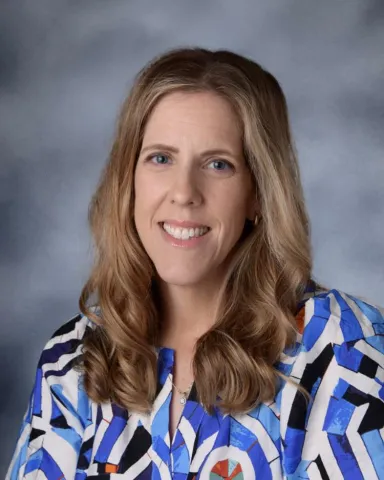
Little by little, Goyal has been updating the collection, but funding is an ongoing issue. She says she’s fortunate that she has a budget to add to the library, but she’s been unable to purchase enough books to allow students to build an understanding of disability experiences.
“It is important to our school to have books available for students, and a goal of our library program is to increase disability-centered literature and provide authentic, affirming stories that celebrate diverse abilities and experiences,” she says. “With this grant, we can transform our library into a vibrant, inclusive space that truly meets the needs of today’s learners. Incorporating books that feature characters with disabilities, written by disabled authors, and that accurately represent neurodiversity and accessibility, I aim to foster a culture of understanding, empathy, and belonging for all students.”
Teachers are also using the new books to provide meaningful opportunities to discuss perspective-taking, accessibility, and kindness in their classrooms, Goyal adds.
“These books have helped create important conversations around empathy, inclusion, and understanding within our school community,” Goyal says. “By seeing characters with disabilities represented in authentic and empowering ways, students are learning that everyone’s story matters. Many students have made personal connections to the characters, while others have gained a deeper understanding of experiences different from their own.”