Key Takeaways
- Mutual aid is the voluntary, peer-to-peer exchange of resources and services for mutual benefit.
- There is a long history of mutual aid in America, but Indigenous communities have been practicing it for millennia.
- There are at least 800 mutual aid networks operating across the country.
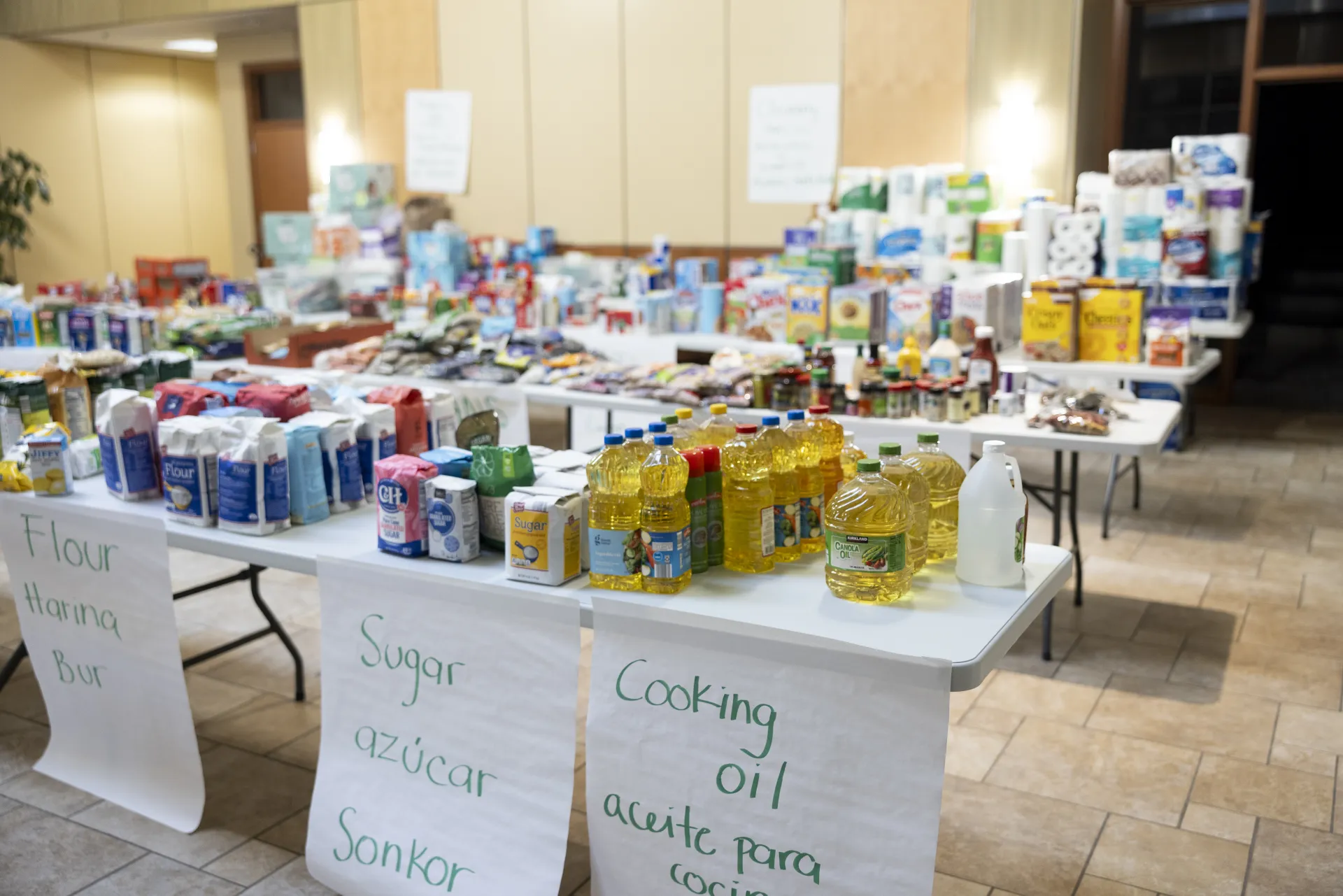
Across the Twin Cities in Minnesota, educators are helping deliver groceries and medicine to families in need. They’re partnering with parents on safety patrols during school drop offs and pickups, fundraising for rent support, organizing donations and distributions of hygiene and household goods, holding trainings about immigrant rights and how to be an ICE observer, supporting immigrant businesses, and more.
For the thousands of immigrants in these communities, this form of resistance is a beam of light amid the darkness of fear, brutality, and chaos.
“The attack on immigrants is not new, but the intensity we are seeing is just extreme, and so many more people are stepping up right now to meet the moment,” Jason Rodney, an assistant special education teacher at Anishinabe Academy in Minneapolis Public Schools, told Labor Notes.
It’s all part of a grassroots movement known as “mutual aid.”
Mutual Aid: Solidarity, Not Charity
Mutual aid is the voluntary, peer-to-peer exchange of resources and services for mutual benefit. It’s neighbor helping neighbor while building community connections and resilience. A popular slogan of mutual aid is “solidarity, not charity.” And if there is a symbol of the current mutual aid movement in the face of ICE brutality, it could very well be the whistle, a simple but powerful tool signifying awareness, protection, and protest.
According to Dean Spade, author of Mutual Aid: Building Solidarity Through this Crisis (And the Next), mutual aid is “where we choose to help each other out, share things, and put time and resources into caring for the most vulnerable.”
While the surge in ICE operations in Minnesota shines a spotlight on mutual aid there, community members are banding together to support each other all over the country.
In Alhambra, California, educators rallied to support safe spaces for their students and families by creating a “Dream Center,” a safe space for all students at Alhambra High School.
The Dream Center provides support, activities and resources to students, including school community-building events and legal clinics with immigration attorneys on hand to answer questions. The Dream Center was part of a deliberate effort by members of the Alhambra Teachers Association (ATA) to create safe places for students in vulnerable communities, including students who are immigrants, LGBTQ+, unhoused, and students with disabilities. Now there are Dream Centers in the district’s other two high schools.
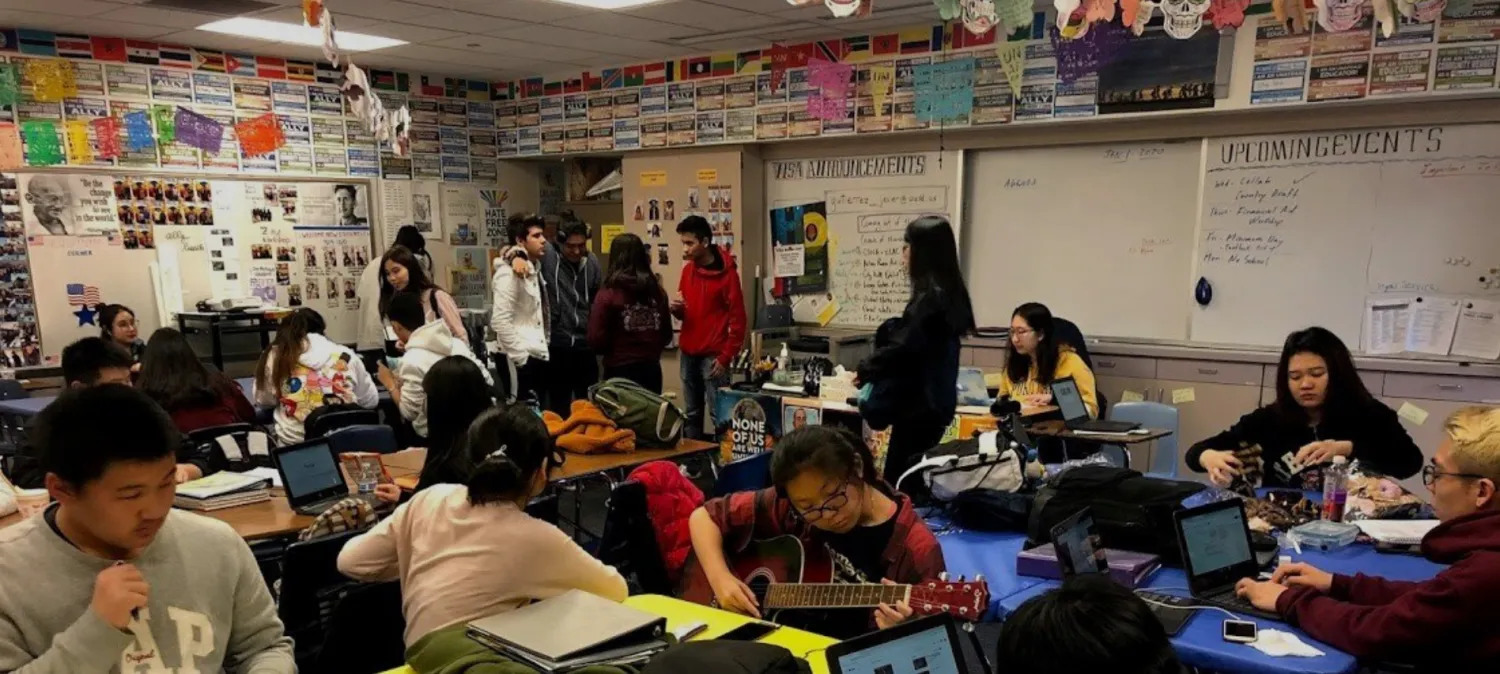
NEA has helped fund the Dream Centers, and for students and families living under the threat and surveillance of ICE, the centers are life changing. They offer tutoring and academic support, peer-to-peer mentoring, food and pantry items, a clothing closet, and a safe space to share concerns and build community.
“As educators, we are dedicated and we stay true to the fight,” says Javier Gutierrez, social science teacher and ATA member. “We have to be present — I’m not going away and I’m not going to be quiet!”
Gutierrez says educators are modeling how to make positive change in the community.
“It’s never one-and-done with these things. It’s building that network and community — grassroots, from the ground up. This is the collective expression of our school community and part of a larger movement,” he says. “I’m grateful to come to school every day and work with young adults, be a part of this movement and work to further it.”
Mutual Aid Networks Grow Around the Country
Participation in mutual aid has swelled in the year since Trump returned to the White House, as Americans struggle with high prices, cuts to government programs, and volatility in their communities.
But the practice of mutual aid is not new. Indigenous communities around the world have practiced reciprocal community care for millennia as part of a core belief in the interconnectedness of people and the earth. Caring for each other and the land is critical to everyone’s wellbeing and was also practiced as a means for survival during colonization.
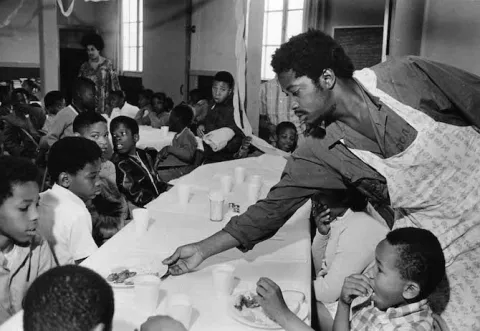
In the United States, mutual aid among marginalized groups dates back to the 18th century. In the late 19th and early 20th century, fraternal societies practiced mutual aid, particularly in immigrant communities in major cities like Chicago and New York. More recent examples include the Black Panther Party free “Breakfast for Children” program, which began in Oakland, California, in 1969. It started in one local church but then grew into a nationwide initiative. It was dismantled under J. Edgar Hoover’s FBI through a campaign of disinformation, raids, and harassment.
In the 1980s as HIV, the virus that causes AIDS, gripped the gay community, it launched its own health clinics, food pantries, therapy groups, and community support programs.
During the COVID-19 pandemic, the number of mutual aid groups jumped from about 50 to 800, according to Mutual Aid Hub. Likely, that number greatly underestimates the actual figure as most mutual aid organizations are small and informal.
In the current administration, mutual aid is at the core of resistance and survival amid the harsh government crackdown on immigrants and working-class people. With the costs of healthcare and groceries skyrocketing, the federal government has made cuts to the Supplemental Nutrition Assistance Program (SNAP, formerly known as Food Stamps). This 60-year program provides support to feed tens of millions of Americans. Then the services were abruptly cut during the government shutdown lastNovember.
Educators Offer Mutual Aid to Feed Hungry Families
That’s when educators involved in mutual aid went into overdrive to ease hunger in their communities, and they are still going strong.
Educators like Samuel Reddick, a parent-family engagement coordinator, who runs his school's food pantry out of his car in Orange County, Florida.
"Every other Thursday, I give out about 55-plus bags," Reddick said. "And during the week, I hand out canned goods twice."
His pantry serves students, but also many people in the community. "You'd be surprised who shows up," he said. "You have people with Teslas needing food now. It's a genuine need."
In the Kenmore-Town of Tonawanda School District in Western New York, a group of teachers, support staff, and community members have been providing mutual aid for nearly 40 years. They formed Educators Totally Committed (ETC) in 1988 to address the needs of low-income communities and students. The group is seeking to expand its message and membership globally.
According to Stephen Ash, a retired high school math teacher and active member of ETC, the government’s “draconian cuts” have spiked demand for the area’s food banks and shelves are emptied very quickly.
“Families are hurting,” he says.
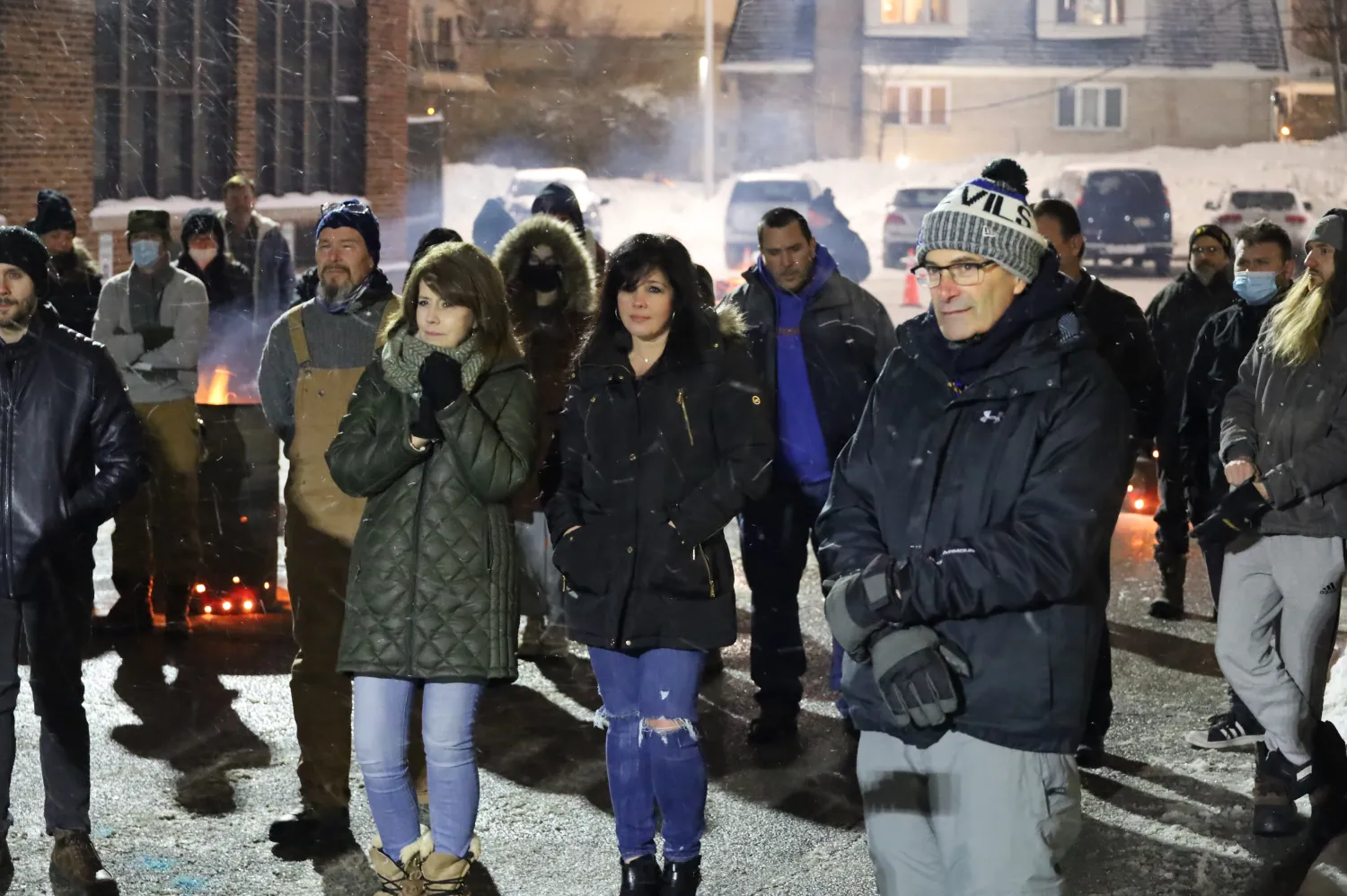
The ETC launched an annual “Sleepout” where educators, parents, and students of appropriate ages sleep outside the first Friday of February in the Kenmore East High School parking lot.
During the ten-hour event, community members bring nonperishable food for donation to food pantries and warm snacks for the sleepers. They bring household items, hygiene products, and small furniture. The high school custodian builds a fire to keep people warm, and the high school choir comes to sing. One community member plays the trombone. Community members are invited to participate in any way they can.
Making a Better World, Starting at Home
“ETC is totally horizontal with no hierarchy and it involves students, parents, teachers, custodians, school nurses, cafeteria staff, librarians-- anyone who wants to participate to do anything they can to support what we do,” says Ash. “It’s just people helping people, in a school setting, so we can model for kids that, as a humanity, we can’t stand by when someone is hungry or in need. We’re showing them, and involving them, in how we’re making a better world, starting right here at home.”
Act locally, think globally, as the saying goes, and since its founding in 1988, ETC has raised $1.5 million in monetary donations, and much more in food, personal care items, and other donations.
Ash’s hope is that schools nationwide and even around the world will set one day – the first Friday in February – as a day to celebrate and raise awareness about giving and receiving mutual aid.
With public schools at the heart of a community, Ash says they are the ideal setting for mutual aid. When students experience and participate in mutual aid, it sets them up for a lifetime of giving back, he adds.
“We have a motto, “Live Life with Love,” or LLWL,” Ash says. “We have all sorts of acronyms like LOL, YOLO, TTYL, why not add one about living for the common good? If we can instill the idea of LLWL into our kids at an early age, we’ll have a chance at a better world.”