
Teachers Need More Work-Life Balance
Teachers experience poor work-life balance compared to similar working adults, according to a RAND survey of teachers, released in October and funded in part by NEA. Three times as many teachers as similar working adults said it was difficult to change their work schedule or attend to personal or family matters while on the job.
In addition, 46 percent said work made them too tired for activities in private life, compared with 13 percent of similar working adults. And less than half of teachers nationally said their school or district was making efforts to help teachers balance work and life.
Section with embed
Naloxone Stocked in More Schools

The number of opioid overdose deaths—including fatalities from fentanyl—among adolescents in the U.S. has risen in recent years. According to experts and a growing body of research, most of these overdoses could be avoided by the timely administration of naloxone—an opioid reversal medication. Currently, 13 states have laws that mandate naloxone to be stocked in public schools. And 35 states have laws that expressly allow schools or school employees to carry, store, or administer naloxone.
In 2023, lawmakers in Congress introduced the bipartisan School Access to Naloxone Act, which would ensure school personnel have the training and education to administer the medication to prevent opioid overdose. The bill was reintroduced in January 2026.
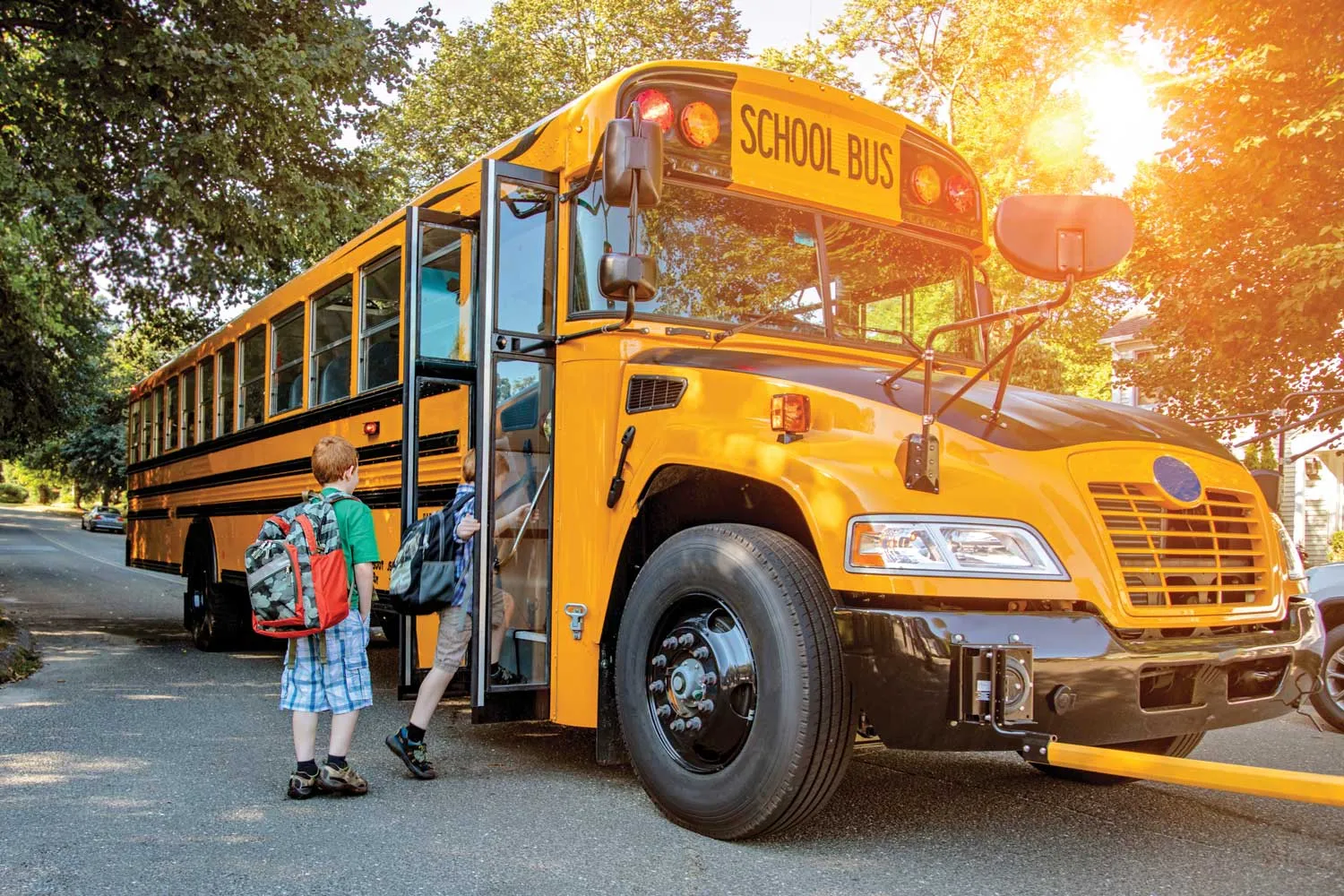
Do Four-Day School Weeks Help Reduce Staff Turnover?
The number of school districts with four-day school weeks has grown significantly over the past decade. Ten years ago, the main justification for the switch was to reduce costs. But more districts—especially in rural areas—are turning to a four-day week to help address educator shortages. Research indicates, however, that these new schedules are not moving the needle on retention—and they could have drawbacks for students. Accordingly, many experts urge school leaders to proceed with caution when considering the change.
“Teachers may find fitting the curriculum into four days is a challenge.”
—Aaron Ainsworth, University of California, Irvine researcher who studied four-day work weeks
A four-day week could improve teacher working conditions, which many surveys suggest is the top factor in educators’ decision to stay or leave. But the change may not be enough to make a difference, says Aaron Ainsworth, a researcher at University of California, Irvine and co-author of a recent study that examines the impact of a four-day week in Oregon. Ainsworth and his colleagues found that teacher turnover actually increased in districts with a four-day schedule. The turnover was highest in years 5–9 of adoption.
“Teachers may find fitting the curriculum into four days is a challenge, and maybe they don’t have the necessary support from administrators,” Ainsworth explains. “Many teachers also end up working longer days—and sometimes on that fifth day when students aren’t in school.”
And in the places that have adopted the new schedule, pay tends not to keep pace with other districts. Given how important salary and working conditions are to teacher retention, Ainsworth and his colleagues conclude, “boosting one and not the other may not move the needle in the long term.”

Cursive Makes a Comeback
In 2016, 14 states required schools to teach cursive writing. By 2019, 20 states had enacted legislation requiring it. Now, there are 27 states with cursive instruction requirements. Pennsylvania became the latest, in February, when the legislature passed a law requiring the state’s public elementary schools to teach cursive writing in grades 3–5.
The advancement of classroom technology wasn’t the only driver behind the sidelining of cursive. The Common Core State Standards, released in 2010, didn’t mention cursive writing, but did call for the teaching of “keyboard skills.”
Cursive proponents point to the many studies showing that learning cursive not only improves retention and comprehension, it engages the brain on a deep level as students learn to join letters in a continuous flow. It also enhances fine motor dexterity and gives children a better idea of how words work in combination.
Despite acknowledging the benefits of cursive, many educators may be wary of yet another state mandate and whether, with only limited instruction hours available, there are more urgent priorities in the classroom.
Section with embed
Quote byEducation Minnesota President Monica Byron, in January, during the U.S. Immigration and Customs Enforcement surge in Minneapolis and St. Paul

Fewer School Shootings, but Still too Many
There should never be another school shooting, but the number of these incidents in the U.S. seems to be declining. According to the K–12 School Shooting Database, there were 233 recorded incidents at elementary and secondary private and public schools in 2025—the lowest number since 2020, when 116 school shootings took place. The highest number of school shootings occurred in 2023, with 352 incidents. Additionally, the number of shooting victims injured or fatally wounded on K–12 campuses last year was 148, down from an all-time high of 276 in 2024.
Still, these numbers remain staggeringly high. Experts say lawmakers are not doing enough to prevent shootings, such as enacting commonsense gun laws and providing mental health supports for students.
Section with embed
How Much Recess is Enough?
Recess improves academic outcomes as well as social and emotional learning. It also boosts overall well-being, especially for elementary students. But over the past decade, time devoted to recess has declined for a host of reasons. Before then, elementary students spent an average of 30–40 minutes per day on playgrounds versus 20–30 minutes today. In high school, there are few if any scheduled recess breaks. A recent EdWeek survey found that 80 percent of high school teachers and 49 percent of middle school teachers reported no recess at their schools. Fifty-six percent of elementary teachers said recess was offered once a day. Most experts believe that is not enough, recommending two 20-minute breaks for elementary students. Teachers reported that the potential loss of instructional time and other priorities are behind the drop in time for recess.
Section with embed