
When students hear the voices of people who lived through history, something shifts. That’s the core idea behind the Making Gay History podcast, which draws from host Eric Marcus’ interviews with LGBTQ+ activists, leaders, and everyday people in the 1980s and 1990s.
Today, NEA and educators across many disciplines are partnering with Marcus to develop classroom-ready resources and leveled lesson plans for grades 5–12, each centered on a particular podcast episode. The lessons—featuring NEA members and presented as video companions to the podcasts—provide educators with the context and tools to bring archival LGBTQ+ history into the classroom.
Episode: “Joy and Power in Queer History”
Washington teacher Chiara Whooley created a lesson plan to go with an episode about two civil rights activists who were life partners. The interviews gave students in her middle school English classes a way to connect with history.
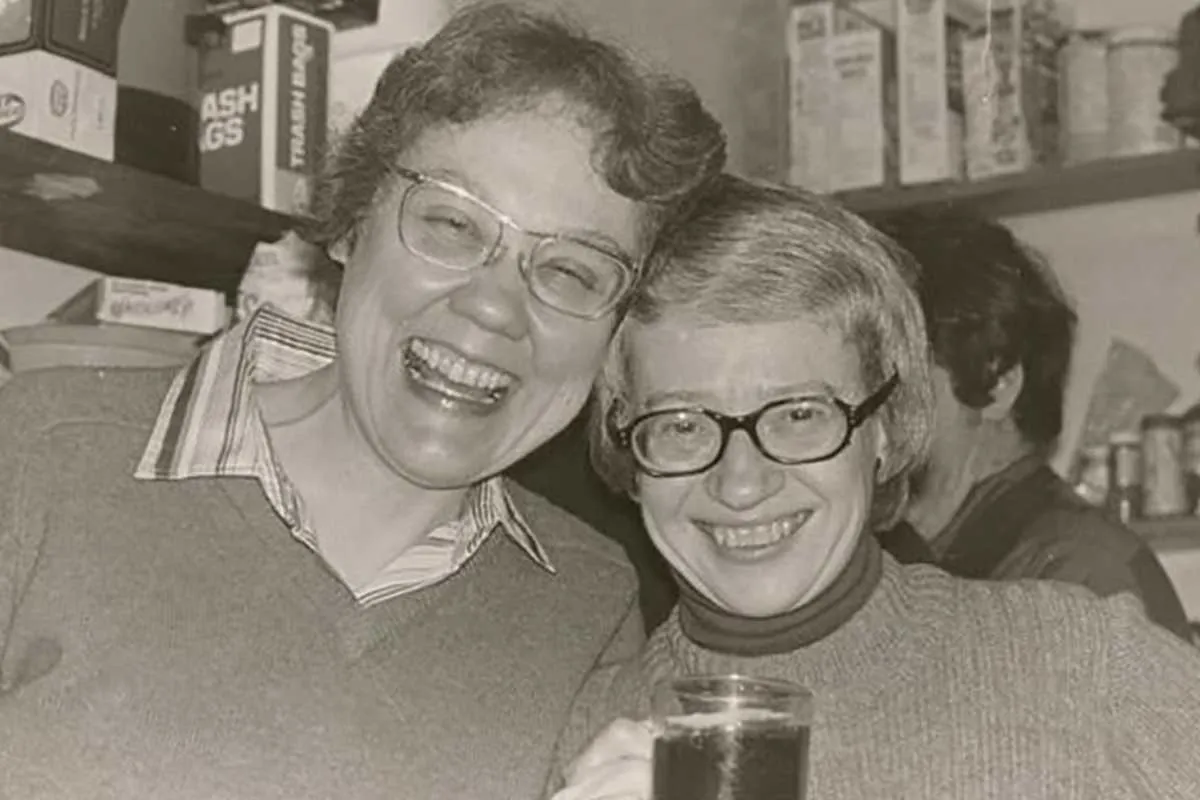
Podcast guests Barbara Gittings and Kay Lahusen brought their creativity, determination, and good humor to what was called the homophile movement in the 1960s and the gay liberation movement in the 1970s.
“Most gay people in New York who had any kind of income were going to the therapist, … [who was] usually trying to cure them,” Lahusen says. “See, I decided at 18 I was right, and the world was wrong.”
Whooley’s lesson examines the podcast interview as a primary source. Using the SOAR (summarize, observe, analyze, reflect) method, students build skills applicable to all nonfiction.
“Growing up in the 2010s and coming out as queer, while we made a lot of progress politically, … there were still so many stories of trauma and sadness,” Whooley shares. “I loved hearing that, yes, these two were strong protesters, but half of it was through joy.”
Episode: “Understanding True Self”
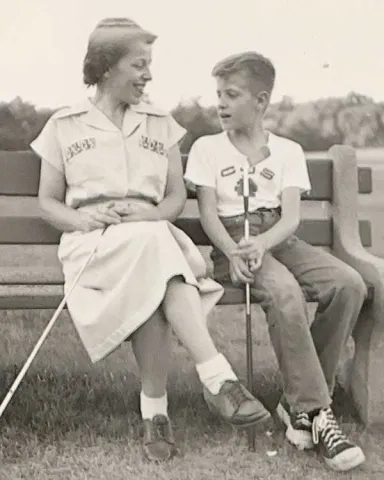
Multilingual language learner specialist and educator Alexander Tai built his lesson around Craig Rodwell, a young activist who co-created the blueprint for Pride marches. Tai, who teaches high school in Missouri, says the episode fit well into a unit on “true self.” He challenges students with a central question: Do we find our true selves, or do we create them?
His students witness Rodwell’s journey in discovering his identity and can connect this with their own experiences at a similar age. His students were captivated by Rodwell’s choices, including when he told lies, such as inventing girlfriends.
“They were very enthralled about how lying to his parents was something that he did. ... In some cultures, lying is something that you just don’t do to your parents,” Tai explains. “It was eye-opening for me to allow the students to actually engage in the episode and nitpick at certain things.”
The lesson underscores a broader truth for Tai: “I feel like using the Making Gay History episode on Craig truly opened my students’ eyes in seeing that their life journey is going to be discovery, and it’s going to be complicated at the same time.”
Episode: “Point of View as an Element of Sourcing in Social Studies”
Joshua L. Rubin, who teaches middle school social studies in Maryland, focuses his lesson on an interview with Kathleen Boatwright. In the mid-1980s, Boatwright fell in love with a woman at church, even though she was married to a man, had four children, and belonged to a staunchly anti-gay congregation. The lesson asks students to consider point of view.
Rubin sees it as a chance to help middle schoolers practice empathy. One of the hardest skills for this age group is to understand point of view, Rubin says, especially since the state curriculum often has them studying events from “a thousand years ago.”
He wants to give students something more modern and relatable. “Even though his recording was [from] 1989, it’s still a conversation that’s very relevant today,” Rubin notes.
He chose the parent-child dynamic in Boatwright’s story as an entry point. Boatwright left her husband and children to be with the woman, and was subsequently shunned by her family and community. The podcast frames her story around that difficult decision to live openly as her authentic self.
Rubin asked his students to imagine what it would be like if their mom had to make that choice. His students’ responses confirmed the impact of
the lesson.
“I had one nonbinary student [tell me] … they really appreciated just having a day when they could focus on that part of themselves in class,” Rubin recalls. Another student surprised him with gratitude. “They said ‘thank you for making me think about this.’”
Filling the void in LGBTQ+ curricula
Tai says his work with Making Gay History fills a critical gap in LGBTQ+ history. The podcasts offer perspectives missing from textbooks and provide resources to help students grapple with real-life complexity.
“It is important for students to understand that there is gay history out there, and it may be a journey for them to understand,” he says. LGBTQ+ history, Tai adds, is a vital part of U.S. history and should be included in what high school students are taught.
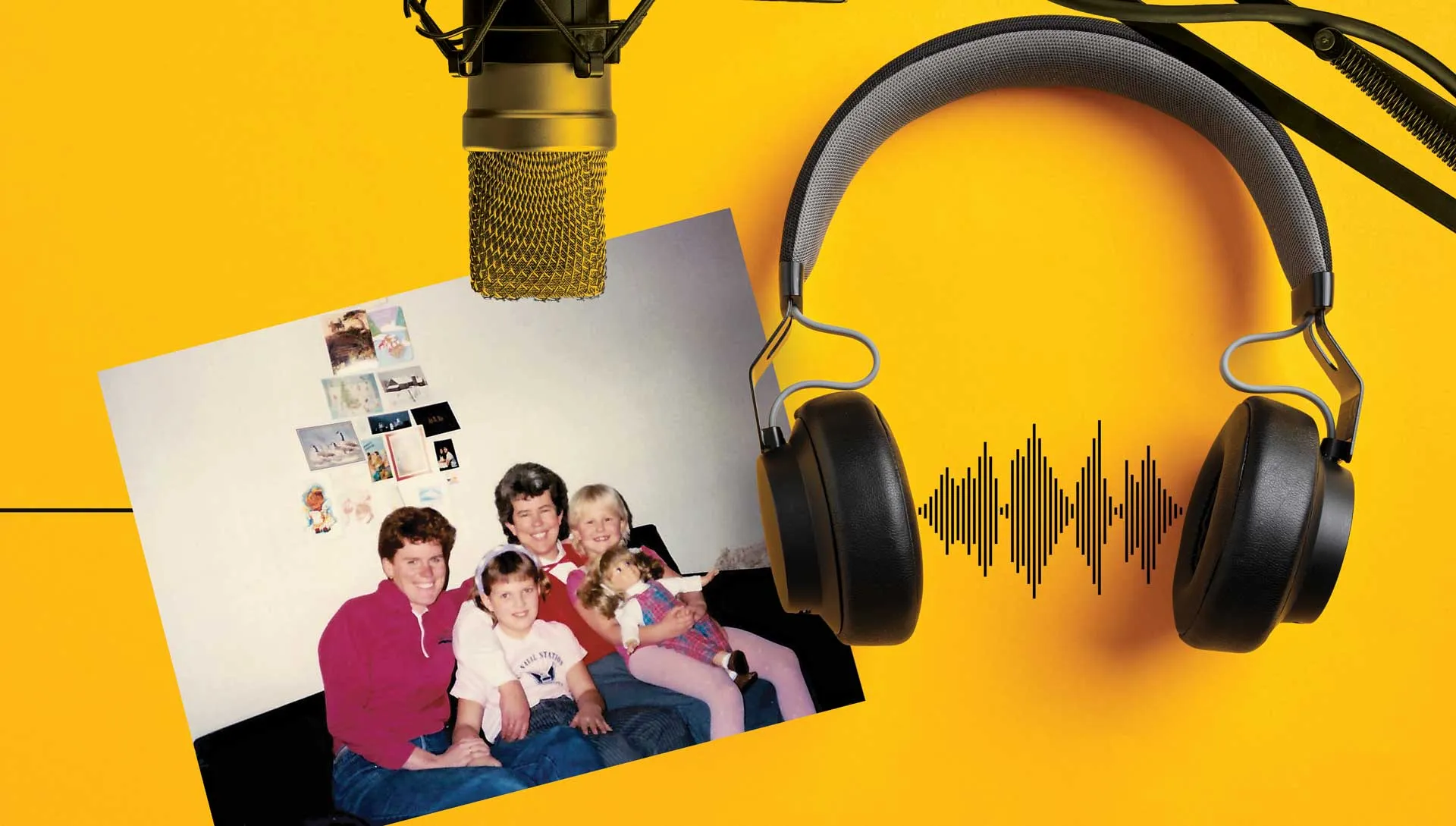
From archive to audio, the Making Gay History podcast brings LGBTQ+ voices into today’s classrooms. It includes historical interviews from (clockwise from left): Kathleen Boatwright, on right; Craig Rodwell, shown with his mother; and Barbara Gittings, on left, and Kay Lahusen.
Listen and Learn
Listen to the podcasts and check out the lesson plans below.
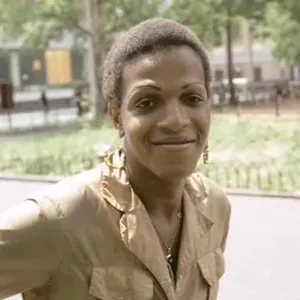
Pay It No Mind: Marsha P. Johnson
Grades 9-12
How can you discover the possibilities for your future? That is the essential question that this lesson explores through the narrative of trans icon Marsha P. Johnson, who is best remembered for her participation in the 1969 Stonewall uprising and her fearless activism in the LGBTQ+ rights movement of the 1970s, in the early transgender rights movement, and during the AIDS crisis.
Lesson Plan with Accompanying Materials
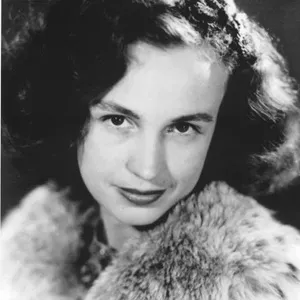
Using Satire/Parody to Explore Human Nature and Responsibility
Grades 11-12
Edythe Eyde lived and worked in Los Angeles in the 1940s and used musical satire as a form of social protest. This lesson provides an opportunity to teach the key literary concepts of satire and parody through the example of Eyde’s songs and to create a better understanding of the historical moment in which she lived.
Lesson Plan with Accompanying Materials
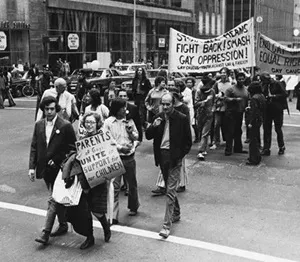
See a Need, Fill a Need
Grades 7-12
When Jeanne Manford’s gay son was badly beaten at a protest in 1972, she took action and founded an organization for parents of gay people, known today as PFLAG. This lesson explores the traits of leadership and what it takes to be an “upstander.”
Lesson Plan with Accompanying Materials
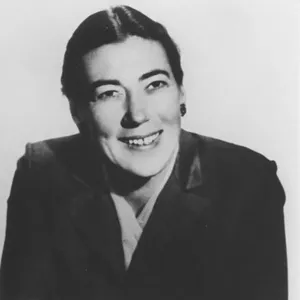
Being an Ally: Dr. Evelyn Hooker
Grades 11-12
In 1945, Dr. Evelyn Hooker’s gay friend Sam From urged her to undertake a study challenging the commonly held belief that homosexuals were by nature mentally ill. This lesson explores her groundbreaking work in the context of psychology standards in order to teach about mental health diagnoses. It is explicit about prior “treatments,” present diagnoses, and the impact of Hooker's research and advocacy. The lesson also provides an opportunity for examining the concept of allyship.
Lesson Plan with Accompanying Materials
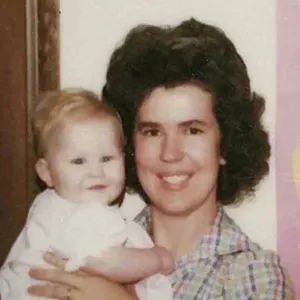
“Point of View” As an Element of Sourcing in Social Studies
Grades 5-8
In the mid-1980s, Kathleen Boatwright fell in love with a woman at church, but her church was staunchly anti-gay and Boatwright was married to a man and had four children. This lesson asks students to consider sourcing, from the perspective of the creator of the podcast and from the perspective of the interviewee. It was created for Pear Deck. (A regular slide deck option is also available.)
Lesson Plan with Accompanying Materials
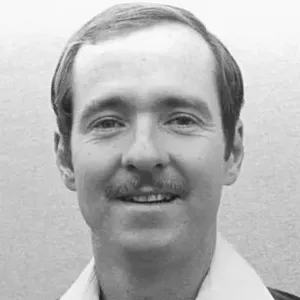
From Bigot to Activist: The Leonard Matlovich Story
Grades 11-12
In 1975, Leonard Matlovich, a tech sergeant in the Air Force and recipient of several medals for bravery, deliberately outed himself as gay in order to challenge the military’s ban on homosexuals. His story provides an example of the potential everyone has for personal change, and of the range of people and actions that have played important roles in the LGBTQ+ civil rights movement.
Lesson Plan with Accompanying Materials
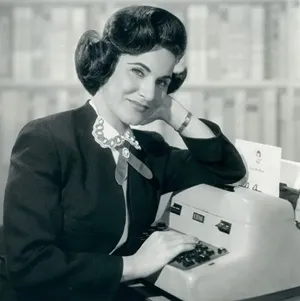
The Accidental Activist: "Dear Abby"
Grades 9-12
A generation ago, tens of millions of people turned to the daily newspaper column "Dear Abby” for advice. Long before others did, and at considerable risk, its author, Pauline Phillips, used her platform and celebrity in support of gay people and their rights. This lesson explores identity and activism.
Lesson Plan with Accompanying Materials
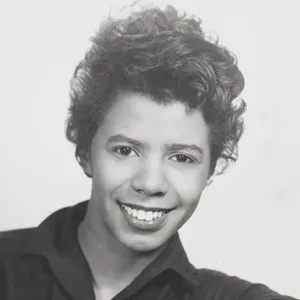
Lorraine Hansberry — Young, Gifted, Black... and Gay
Grades 9-12
In 1959, Lorraine Hansberry became the first Black woman to have a play produced on Broadway. At that time, however, being gay could destroy a career, so she kept her identity as a lesbian hidden. This lesson introduces the concepts of intersectionality, identity, and belonging, and uses Hansberry’s life as an opportunity to reflect on all three concepts.
Lesson Plan with Accompanying Materials
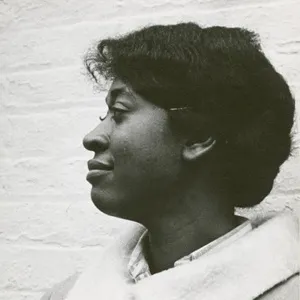
Stories in Civil Rights
Grades 9-12
This lesson introduces students to the concepts of civil rights and social justice movements through the narrative experiences of different civil rights figures, activists, and everyday people. It features a podcast episode with Ernestine Eckstein, the only African American woman at the earliest gay rights protests in the mid-1960s, and also offers the option of including "The 57 Bus," an account of violence against an agender teen in Oakland in 2013.
Lesson Plan with Accompanying Materials
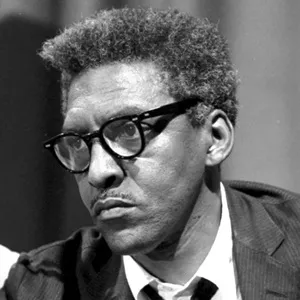
Bayard Rustin: Unspoken Hero of the Civil Rights Movement
Grades 5-8
Bayard Rustin was a champion of the Black civil rights movement—mentor to Dr. Martin Luther King, Jr., and organizer of the 1963 March on Washington for Jobs and Freedom. But because he was gay and out, he faced bigotry both inside and outside the movement. This lesson introduces students to the achievements and impact of a largely unrecognized hero and invites them to consider the complexity of prejudice and discrimination.
Lesson Plan with Accompanying Materials
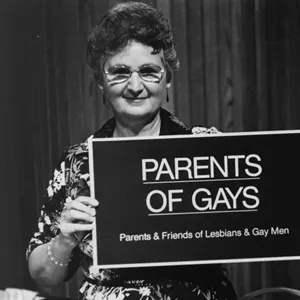
Stages of Development Illustrated: Paulette Goodman
Grades 11-12
Paulette Goodman’s experiences as a Jewish child growing up in Nazi-occupied Paris during World War II played a strong role in her response when she discovered the discrimination and harassment faced by homosexuals when her daughter came out as gay. In this lesson, students apply psychological constructs to better understand Erikson’s Stages of Development through Goodman’s history and actions.
Lesson Plan with Accompanying Materials
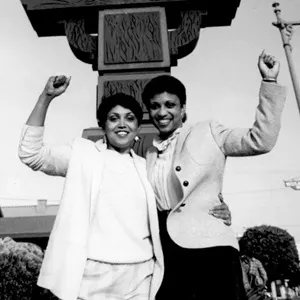
"We Wanted the Booth!" — Deborah Johnson and Zandra Rolón Amato
Grades 9-12
In 1983, when lesbian couple Deborah Johnson and Zandra Rolόn Amato were denied seating at Papa Choux, a Los Angeles restaurant, they filed a suit for unlawful discrimination. This lesson explores the story behind the lawsuit and addresses themes of intersectionality, oppression, civil rights, and the LGBTQ+ social justice movement. It is a story of agency and action not included in traditional history books.
Lesson Plan with Accompanying Materials
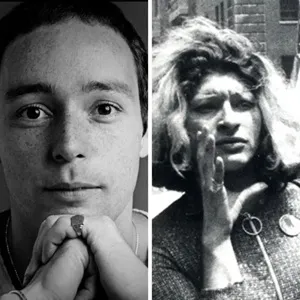
Passing the Ball
Grades 7-12
How do we understand the legacy of others and the legacy we wish to leave behind? By examining the stories of trans icon and self-proclaimed Stonewall veteran Sylvia Rivera and author and activist Vito Russo, students explore the construction of legacy and the malleability of memory, and are invited to consider their own future legacy.
Lesson Plan with Accompanying Materials
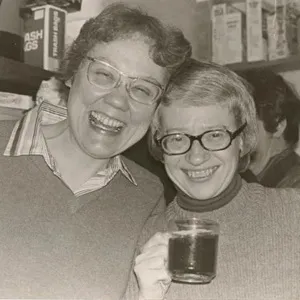
Joy and Power in Queer History: How to Read a Podcast
Grades 5-8
Barbara Gittings and Kay Lahusen brought their creativity, passion, determination, and good humor to the homophile movement of the 1960s and the gay liberation movement of the 1970s. This lesson uses their story to help unlock the power of nonfiction by examining a podcast interview as a primary source. Using the SOAR method, students build skills applicable to all nonfiction text types.
Lesson Plan with Accompanying Materials

Understanding True Self — LGBTQ+ Lens: Craig Rodwell
Grades 9-12
Do we find our true selves or do we create them? This lesson explores this essential question through the narrative of Craig Rodwell, a young LGBTQ+ rights activist and co-creator of the blueprint for the Pride marches and celebrations now attended by millions of people around the world each year.
Lesson Plan with Accompanying Materials