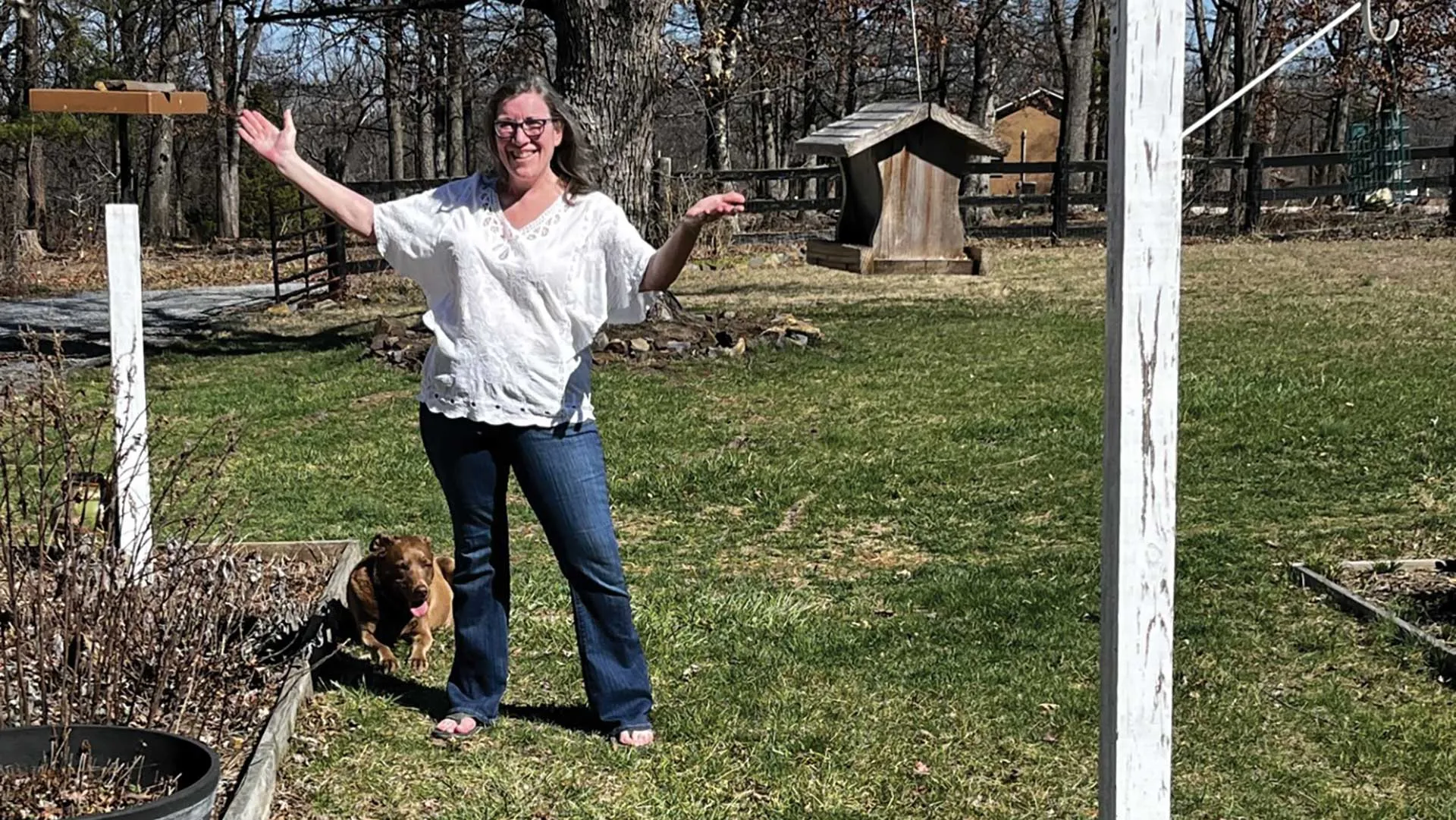
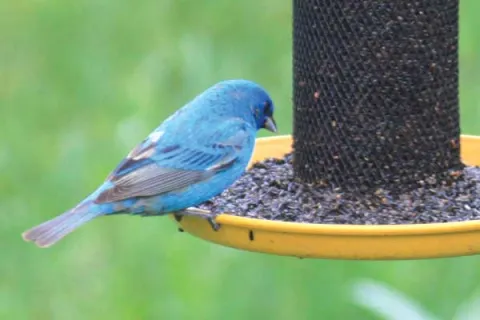
(Above) Kirk’s backyard attracts birds all year long. The indigo bunting is one of the 101 birds that retiree Joy Kirk has recorded.
Credit: Courtesy Joy Kirk
Yellow-bellied sapsucker, blue-footed booby, bufflehead, and butterbutt may sound more like schoolyard taunts than beautiful creatures, but these are just a few of the colorfully named birds bringing joy to a growing flock of birding aficionados.
Some 96 million Americans are birders, and 44 percent of them are over age 55.
The birders among us are easy to spot: Bird feeders sprinkled around the backyard, field binoculars and cameras at the ready, bird-call apps downloaded, and field guides in hand.
But what if you don’t have all the gear yet and are just “bird curious”? These retired educators share how their passion for our feathered friends took wing.
“It centers me and … keeps me in the moment,” says Joy Kirk, a retired middle school gifted resource teacher from Winchester, Va.
For Kirk, that feeling of peace brings back memories of her childhood in Mars, Pa. She recalls falling asleep to the mournful song of the whip-poor-will and to the reassuring rhythm of a hooting owl.
“I do not have to plan to bird, and there is no stress of ‘doing it right.’ You are just watching birds. It’s that simple, but oh-so rewarding and fun.”
—Joy Kirk, retired educator, Winchester, Va.
She held on to this love of birds even when she began a busy career as an educator. Kirk notes that birding offered a stark contrast to her time in the classroom. Unlike teaching, which requires meticulous planning and constant assessments, watching birds rewards spontaneity, and rigorous rules or expectations are nonexistent.
“I do not have to plan to bird, and there is no stress of ‘doing it right,’” she says. “You are just watching birds. It’s that simple, but oh-so rewarding and fun.”
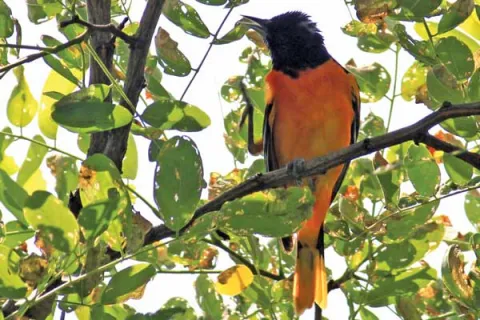
This Baltimore oriole visited Kirk's backyard.
Credit: Courtesy Joy Kirk
Last year, Kirk retired after 30 years in the classroom, but her backyard birding hobby is still going strong, even as she and her husband travel around the country.
“I can do it anywhere, any season. In these times, it is easy to get lost in a doom scroll or negative thought cycle, and I find it a wonderful way to escape that and be present,” she shares.
A hobby with wings
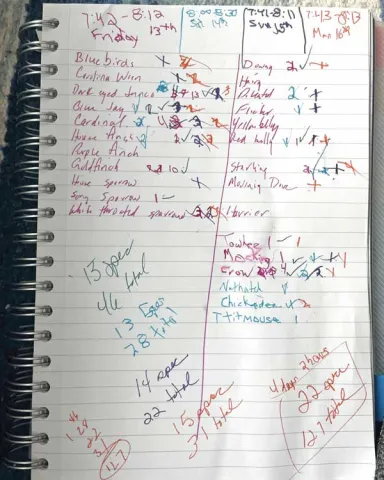
Kirk and her husband have nine bird feeders placed strategically throughout their 2-acre property, and their birding book holds a special place in their home. Handwritten scrawls fill the margins, noting the species and dates of the bird varieties identified. She recently discovered that she had recorded their 101st variety earlier this year.
Joy Kirk’s log from the 2026 Great Backyard Bird Count
Credit: Courtesy Joy Kirk
“As I watched TV one afternoon, I saw movement on our platform feeder outside the family room window. At first, I thought it was a tufted titmouse, a favorite and frequent visitor. However, as the bird continued to eat our mealworms and seeds, I noted it was too small and had the wrong coloring. I got out my trusty bird book and then called my husband to the room as I identified the blue-gray gnatcatcher. It’s not a bird typical to the area and was really exciting to see,” Kirk says.
When the couple travels, they keep a watchful eye for birds they aren’t likely to see at home. They crossed paths with a roadrunner in Joshua Tree National Park, spied mergansers in a Maryland lake, encountered snail kites in Florida, and caught sight of a majestic bald eagle while kayaking in the Potomac River in West Virginia.
Quote byConnie Boylan,
former educator
“I gradually spent more and more time watching birds and other critters in my yard. … It cheered me up [and] brought me peace."
—Connie Boylan,
former educator
Frequent fliers flock together
Another devoted birder, NEA-Retired Board member Connie Boylan, is always in flight, much like the birds she loves to watch and feed.
“Whether I’m sitting out on my front porch, in Traverse City, Mich., … watching our native birds—robins, cardinals, goldfinches, and Canada geese—or out of town on union business, I just love looking at birds,” she says. “I’m in awe of their beauty, listening to their songs and noises they make, and watching them come to the feeder. I think I forget all else while observing their habits and how they play.”
Boylan estimates that she has identified more than 100 varieties of birds with the help of her birding app and her field guide. Not bad for a self-described birding “dabbler.”
Her love of birds also goes back to her early years. The melancholy coos of a mourning dove or the clear whistle of a red cardinal—her favorite bird—evokes vivid memories of sitting with her mother at the crack of dawn on their back porch, in Brice, Ohio.
But it was a snowy owl spotted years ago that truly hooked her on the hobby. Birding enthusiasts call these “spark birds”—creatures that ignite, or in Boylan’s case, renew a love of birding.
“I was lucky I was able to walk from my home to my school, and one winter morning I spotted him. He was perched proudly on a fence post,” she recalls. “He was gorgeous and a rare sight to see.”
The children and staff loved watching him from their classroom windows. The students were careful not go near the owl, so the bird would feel safe and continue to grace us with his presence, she remembers. “He returned to us for four or five winters, and then one year he didn’t return, to our great disappointment.”
Nature’s healing power
Boylan’s passion for nature played a healing role in her recovery from a car accident, in 2016, that took a significant physical and mental toll. Her mobility was drastically compromised, and her independent spirit suffered. Birding proved to be a powerful salve.
“I gradually spent more and more time watching birds and other critters in my yard—reading about what feed, fruit, and flowers would attract different birds,” she shares. “It cheered me up, brought me peace, and helped me feel less trapped.”
Boylan cultivates her yard with vegetation like red geraniums and butterfly bushes, and maintains oak and pine trees that house a variety of birds. And she is now passing on the family tradition to her 8-year-old grandson.
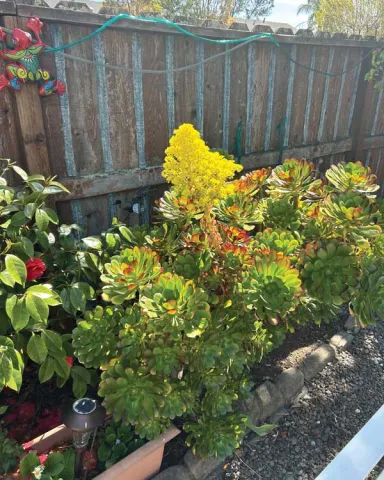
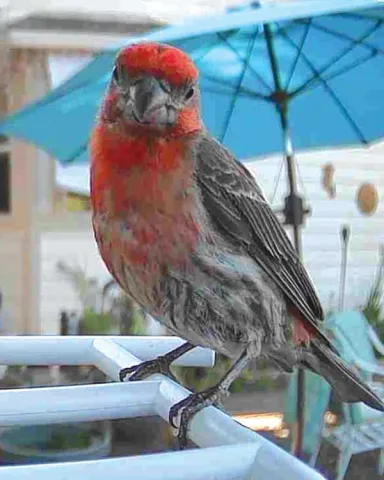
California retiree Kathy Torres’ backyard bird feeders and brightly colored garden (below) attract a menagerie of birds, like this house finch (below), which is a “frequent flier.”
Credit: Courtesy Kathy Torres
One feeder is all it takes when retiree Kathy Torres moved into her home in Santa Rosa, Calif., in 2013, she loved the house, but the long-neglected backyard needed help. It wasn’t long, however, before a single, plastic hummingbird feeder, homemade nectar (4 cups sterilized water to 1 cup sugar, according to the National Audubon Society), and a growing curiosity transitioned the patch of land into an oasis for hummingbirds, finches, and a host of other bird species.
Kathy Torres' brightly colored garden attracts a menagerie of birds.
Credit: Courtesy Kathy Torres
“I didn’t really know a lot about birds when I first moved into my neighborhood, but as my homemade nectar grew in popularity, so did my interest in attracting other birds,” says the former elementary school teacher.
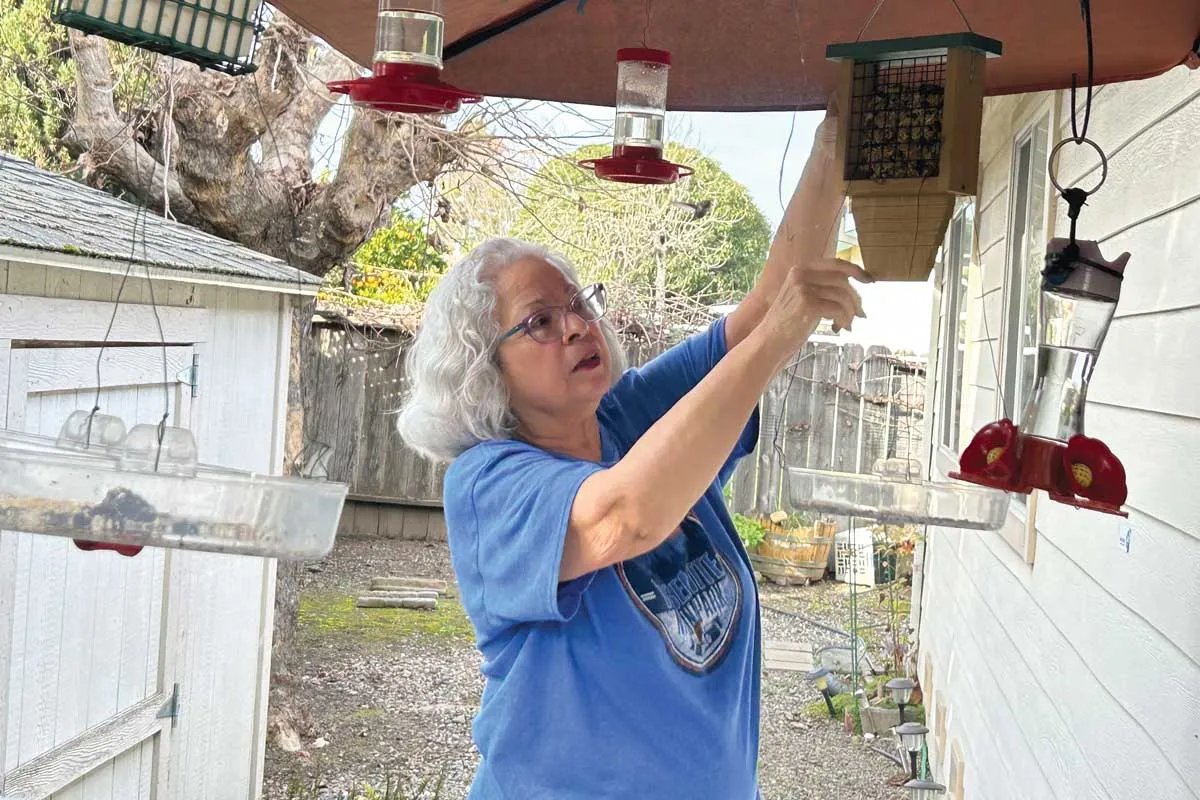
She now stocks up on suet, birdseed, and bird feeders throughout the year, and spends considerable time meticulously scrubbing her feeders—a labor of love.
“I get so much out of my birds, especially the hummingbirds. They are just so friendly and give me so much joy,” she shares. “The old-timers sit on the perch as though they are bellying up to the bar, while the ones new to my backyard act a little more timid. It’s not long before they act like regulars.”
This house finch is a frequent flier in Torres' backyard.
Credit: Courtesy Kathy Torres
In spring, her yard is a kaleidoscope of color, with vegetation including hot lips and butterfly bushes, zinnias, lemon trees, and Monterey pine. It serves as a delicious buffet for the birds who visit, including Anna’s hummingbirds, oak titmice, woodpeckers, and house finches.
Technology and nature
Torres embraces technology, such as an artificial intelligence camera mounted to a bird feeder, which offers a close-up view of feathered visitors 24 hours a day.
“The detail is just amazing, and it’s comforting to know that I’m not missing anything when I’m away,” Torres says.
“I’m also a big fan of the Merlin app, because it makes it easy to identify a species by the way it looks or even by its sound,” she adds. “Just last month, I recorded a great horned owl. If it weren’t for the app, I would not have known that I had an owl in my area.”
As her knowledge grows, so does her fondness for birds of all feathers.
“I love them all,” she says. “They all have unique personalities, and by observing them, you can’t help but appreciate them.
How to Become a ‘Bird Nerd’
Put out only as many bird feeders as you can maintain. The National Audubon Society recommends placing them either next to a window or 30 feet away. Anything in the middle can create confusion and cause a bird to collide with the window. Clean feeders every other week, and more frequently in hot weather. Empty and clean hummingbird feeders every few days, since sugar can breed bacteria.
Consider investing in a basic pair of binoculars, especially if you are interested in expanding your hobby beyond your backyard.
Purchase a bird field guide packed with illustrations (such as Sibley’s Birding Basics and the National Geographic Field Guide to the Birds of the United States and Canada). Secondhand bookstores are great places to find inexpensive guides.
Download free apps such as Merlin Bird ID and eBird, for identifying birds by sight and sound and for tracking your sightings.
Mark your calendar to participate in the next Great Backyard Bird Count, in February 2027. Spend a minimum of 15 minutes identifying and counting birds in your area, and then submit your findings. For updates and exact dates, check birdcount.org.
Find your flock! Contact your local Audubon Society chapter or nature center to find free lectures, meet birding experts, and learn about local bird hikes.
Join a birding club on your favorite social media platform or share bird photos with like-minded friends.
References
We Want to Hear from You
Do you have a story to share? Or some feedback for the NEA Today team? Click on the link below to contact us.
We're here to help you succeed in your career, advocate for public school students, and stay up to date on the latest education news. Sign up to stay informed.
Great public schools for every student
The National Education Association (NEA), the nation's largest professional employee organization, is committed to advancing the cause of public education. NEA's 3 million members work at every level of education—from pre-school to university graduate programs. NEA has affiliate organizations in every state and in more than 14,000 communities across the United States.