Key Takeaways
- Embracing cultural differences helps students feel seen.
- Research increasingly supports reflecting students' diverse backgrounds in the classroom.
- High school career programs can introduce Latino students to teaching and create pathways into the profession.
Latino students bring rich cultural history into the classroom with diverse languages, histories, and experiences, but those backgrounds are not always reflected in the curriculum or in the educators teaching them.
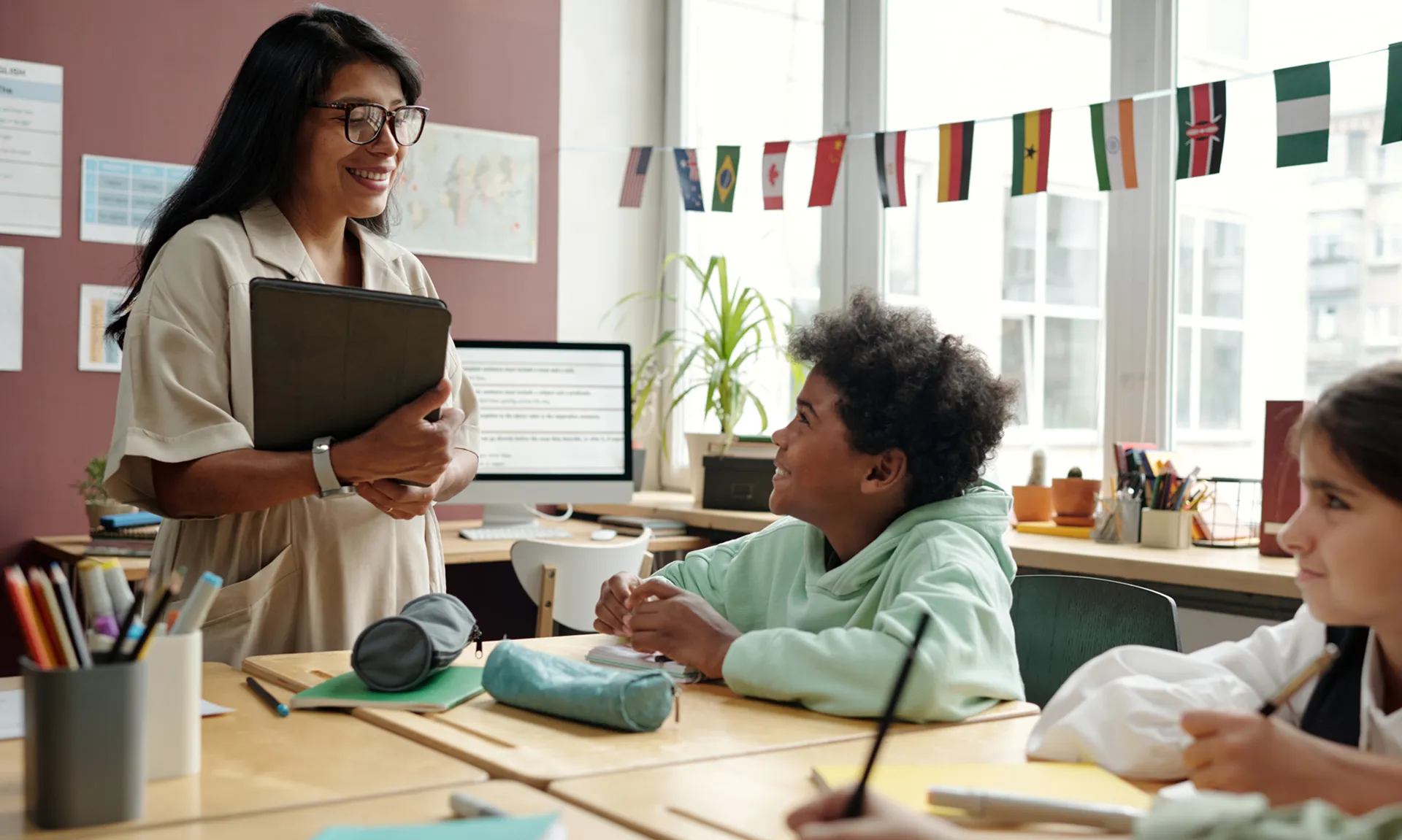
When students see their backgrounds recognized and have the chance to learn about a range of cultures, the classroom can become a safe space where different backgrounds are valued.
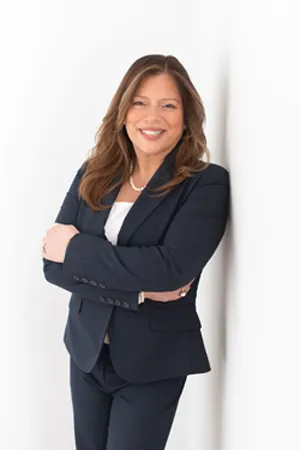
For Monica Generoso, a bilingual educator in Texas who has spent 33 years in education, embracing cultural differences is an important part of helping students feel recognized. From celebrating student cultural traditions to sharing her own background, she believes these conversations can enrich the classroom setting.
“I believe that we should celebrate cultures in general because we need to make the children understand the importance of culture but also have them be seen and heard and know that who they are is important,” Generoso says. “And even though you might not have been born here, you still have a lot to offer.”
Latino educators can play a role in creating that environment by bringing their own experiences into the classroom and encouraging open dialogue. Shared language, traditions, and cultural experiences can help build deeper connections with students whose backgrounds may otherwise be overlooked. This also exposes all students to perspectives beyond their own.
MAKING SPACE FOR LATINO STORIES
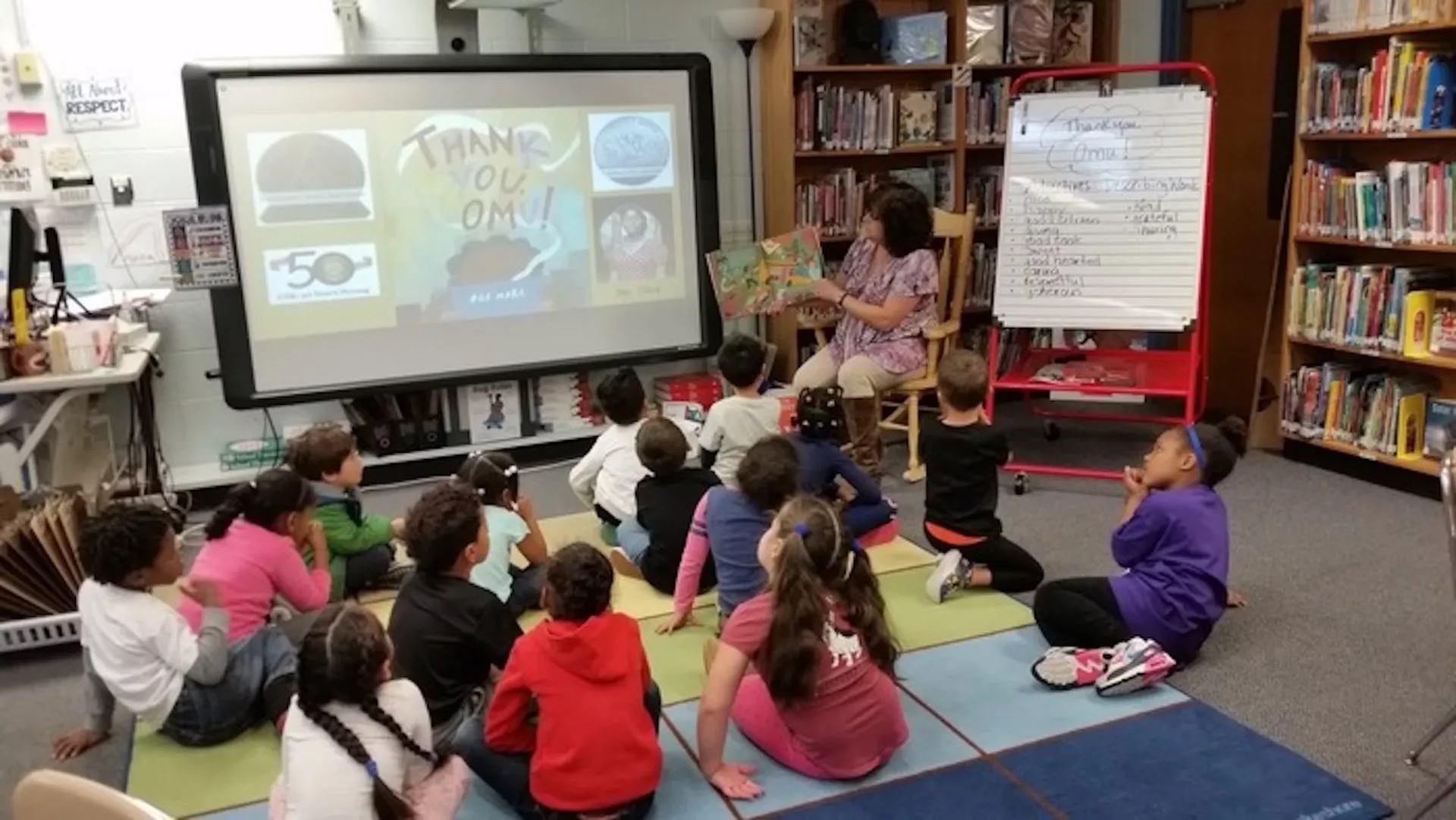
Despite a gap in existing curriculum, Generoso embraces Latino history by celebrating different holidays such as Las Posadas and Día de los Muertos. She also uses readings to introduce cultural history and encourages students to share their family experiences.
Diversifying the curriculum by including books and sources written by Latino authors can help introduce new perspectives rather than relying on a limited view of history.
In Generoso’s dual-language district, Hispanic Heritage Month, is a significant celebration, giving students the opportunity to bring in food and present the different traditions within their Latino communities.
“We speak the same languages [but] come from different countries. It's interesting when they learn about how you...[use] different words for the same thing,” Generoso says. “It just brings us together.”
Generso says her philosophy as a dual language teacher is to create a family regardless of differences that teach students from an early age to be more accepting of others as they grow up.
She finds that having more Latino educators can help to better understand students' experiences, build empathy, and form connections rooted in shared understanding.
A CLOSER LOOK AT THE NUMBERS
According to USAFacts, Hispanic or Latino teachers represent approximately 11.6% of the workforce while roughly 28% of public school students in the U.S. are Latino.
Matthew Shirrell, an associate professor of educational leadership at George Washington University, in Washington, D.C., explains that several factors make this gap difficult to close. Systemic disadvantages in the K-12 education system, he says, can create barriers for Black and Latino students, narrowing the pipeline of future educators.
Research has increasingly pointed towards the benefits of ethnoracial representation in the classroom, meaning the diverse backgrounds of students are reflected meaningfully in the learning environment. Shirrell says these benefits include higher test scores and a greater likelihood of being placed in advanced courses when taught by teachers who share their racial background.
A 2021 study by Shirrell and his colleagues analyzed a decade of data from New York City’s public school system, where about 40% of students are Latino. The study found that Latino students were less likely to be suspended when taught by Latino teachers. Suspension rates among Black students also decreased when they were taught by Latino teachers.
WHAT IT TAKES TO CLOSE THE GAP
Representation can influence a range of outcomes for students, raising an important question: How can schools recruit and retain more educators of color?
Shirrell says that investing in teachers and making their work more rewarding can help teacher retention.
“To me, that's the real fundamental issue that we need to address, making teaching on a day-to-day basis more collaborative, more supportive, more supported, and really doing that work,” Shirrell says.
Additionally, he said early career programs in high school can help introduce Latino students to the profession and create an attainable pathway into teaching.
Often, students benefit from seeing people who share similar backgrounds in roles they hope to pursue. Latinos continue to face underrepresentation and stereotyping in the media and broader society. Studies show early exposure to diverse role models can help fill in this gap by showing youth that paths to success are possible for everyone regardless of background.
For educators, creating environments where students recognize that there is no single Latino experience can help them better appreciate the diversity within their own communities.
BUILDING A COMMUNITY OF SUPPORT
Beyond representation among educators, research highlights the importance of students feeling comfortable and supported by their peers. Educators emphasized that building a sense of community within schools can help students feel a stronger sense of belonging.

Javier Gutierrez, a high school teacher in Alhambra, Calif. realized early in his career that the education system didn't work well for vulnerable and marginalized youth.
“When you look at special ed, when you look at immigrant youth, when you look at students that are failing, students that are facing trauma, students that are facing abuse, our education system isn't set up for them,” Gutierrez says.
His philosophy is to work with students through their vulnerabilities, standing with them in advocacy and solidarity while being a positive influence.
When Gutierrez began working in Alhambra more than two decades ago, he and a colleague, Karen Jacobson, quickly noticed that recent immigrants, who made up roughly 20% of the student body, were a marginalized and often silenced group of students.
They started the Voice of Immigrant Students club to get students involved. Following the 2016 presidential election, the Trump administration made a strict immigration crackdown a cornerstone of its agenda. This prompted them to expand their advocacy efforts, ultimately leading to the creation of the Dream Center.
Dream Centers were created to provide academic, social, and emotional support to immigrant students. The center quickly gained traction, reaching about 10,000 visits by its third year.
All three high schools in the Alhambra Unified School District now have a Dream Center, along with several schools in the Los Angeles Unified School District, where the spaces are known as Juntos Centers.
“We are not the answer to society's problems, and we can't be. And we're not going to portray ourselves as the answer,” Gutierrez says. “But we think we know the question, and the question is: What if everyone believed that they belonged to each other? And how would our schools be different if they were focused on belonging instead of on behaving?”
THE POWER OF FEELING SUPPORTED
Gutierrez explains that students recognize when teachers stand in solidarity with them and remind them that they are not alone. One of his proudest moments came when his students stood up for themselves during a conflict with another student at the Dream Center. Seeing his students feel comfortable and brave enough to speak up reaffirmed the importance of building a strong community.
“That's why I'm doing this. I will say this a lot: I will never be more noble. I will never be more compassionate, and I will never be asked to carry the burdens that my students carry,” Gutierrez says. “And I learn from that every single day. And they teach me so much more about myself. They help me find myself.”
According to a study by the National Library of Medicine, Latino students may face unique challenges that affect their ability to participate and feel connected at school. Language barriers, immigration-related concerns, and cultural differences can sometimes make it harder to build relationships with their peers.
School clubs and organizations that bring together students of color can build a community while offering social and psychological benefits, according to The Centers for Disease Control and Prevention.
Studies emphasize that educators can also support Latino representation by making a conscious effort to connect with students’ families. Involving parents in school decisions, despite potential language barriers, can help support students’ education and overall well-being
While educators use a variety of approaches to help students see their Latino backgrounds represented in the classroom, they share a common goal of supporting the next generation.
Whether through cultural activities, open dialogue or community spaces, creating inclusive environments where all students feel seen and supported is key.