
When Elizabeth Baldwin taught preschool, Martin Luther King Jr. Day presented a familiar challenge: How do you introduce young children to King without reducing his life and work to a photograph and a few facts?
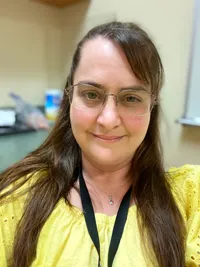
“Here he is, isn’t he great?” Baldwin says, describing an average approach.
Baldwin wanted to go further.
During snack time, she played one of King’s speeches and asked the preschoolers to listen—and they did.
“They actually got to see him … using video of the speeches,” she says, explaining that this additional step helped her young students see this was a real person.
The experience gets at a larger question for aspiring educators: How do you make cultural observances meaningful for students?
Whether the lesson centers on Hispanic Heritage Month, Indigenous Peoples’ Day, Black History Month, Asian American and Hawaiian Pacific Islander Heritage Month, LGBTQ+ History Month, or another observance, understanding why the observance matters is the first step toward making it meaningful for students.
Start With the Why
Before planning an activity, consider what students should understand about the observance.
Baldwin, who is pursuing a master’s degree in special education at Western Governors University, grew up in a predominantly white Ohio community and remembers not always understanding why certain cultural observances were recognized.
“It’s nice to know something, but it’s more important to know the why behind why you’re doing that,” Baldwin says.
Digging into that history gives students more than a date or month to recognize.
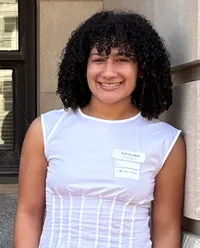
Kiah Randall, an elementary education major at Morehead State University in Kentucky, also wants students to understand that their classmates may experience traditions and observances differently.
“Some things do resonate with us because of our backgrounds and how we grow up and what is important to us,” Randall says.
Part of the lesson, Randall says, is learning to recognize what matters to classmates and why.
Do the Research. Then Talk to People.
When teaching about a community outside your own experience, research is the starting point.
Baldwin suggests talking with people from that community and, when possible, bringing those voices into the classroom. Someone with lived experience can also review a lesson before it reaches students.
“Is this the correct information?” Baldwin says educators can ask.
It’s important to note that one person can’t represent an entire group.

Miles Shanor, a senior in the Pack Teach English program at the University of Nevada, Reno, encountered that while putting together an art lesson involving poinsettias and their traditions. Shanor spoke with Hispanic friends and colleagues about their connections to the flower. Some had strong connections to the tradition. Others had none.
Those differences are worth acknowledging in the classroom, they say.
Look Beyond the Textbook
People and events can feel distant when students encounter them only through a paragraph in a textbook.
Baldwin’s King lesson offers another option: Let students hear directly from the people they’re studying.
Speeches, videos, and other primary sources can add context. Books can, too, particularly when they’re appropriate for the students’ age and reflect voices from the communities being discussed.
Randall looks to NEA resources and the International Book Project for culturally responsive materials. Through an Aspiring Educators conference, Randall has also learned about books recognized by the Coretta Scott King Book Awards. Another project asks educators to share books they have used successfully with students.
Shanor also seeks age-appropriate books and materials written by authors connected to the culture being taught.
Don’t Wait for the Calendar
Black history doesn’t begin Feb. 1 and disappear March 1. The people and histories represented by other cultural observances shouldn’t be confined to their designated dates either.
Randall suggests reviewing lessons already being taught and considering whose voices might be missing.
“If you’re teaching about a certain history,” Randall says, look for “people of color or of different cultural groups that played a really important role.”
The approach can also address observances that don’t line up neatly with the school calendar. Pride Month, for example, falls in June, when many schools aren’t in session.
“It’s important that we talk about it all year long,” Baldwin says.
Build Trust Before Tackling Tough Topics
Cultural observances can lead into difficult parts of U.S. history. Randall points to slavery as one example.
Those conversations depend in part on the relationships teachers have already built with students, families, and the larger school community.
“Making sure that you have the connections between your community and stakeholders and students plays a really large part of what you’re teaching in the classroom,” Randall says.
Building that trust can create a stronger foundation for difficult material.
You Won’t Always Get It Right
Fear of saying the wrong thing can make avoiding a lesson seem like the safer option.
Shanor encourages aspiring educators to give themselves room to learn.
“Sure, you can get things wrong, and that’s OK. Teachers are people too,” they say. “Especially if you’re pre-service, you should give yourself a bit more grace.”
Preparation still matters. Baldwin advises researching the community, talking with people who have lived experience, and seeking more than one perspective.
“Reach out to the community itself,” Baldwin says. “They’re the experts of what they went through.”
The aim isn’t to fit an entire culture or history into a day, month, or lesson. Give students the context to understand why that history matters—and make space for it beyond the calendar.
