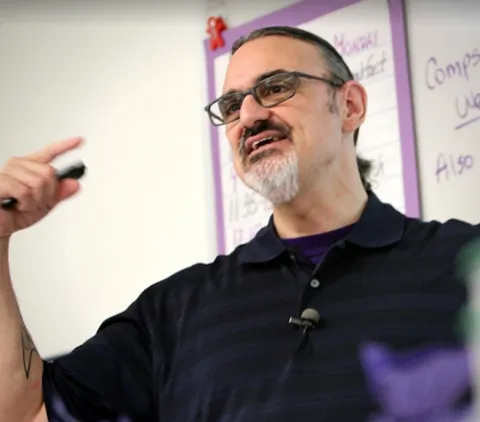
Alfonso Gonzalez has been teaching in the Chimacum School District in Washington for over three decades. As a veteran educator, he continues to explore the newest technologies in his sixth-grade science and math classroom, constantly learning and adapting new ways to mix technology with hands-on learning.
“Teaching the power in tech can engage and motivate kids,” Gonzalez says. “But it's all about balance.” Sometimes technology is too much, he cautions, and educators don't receive the support and resources they need.
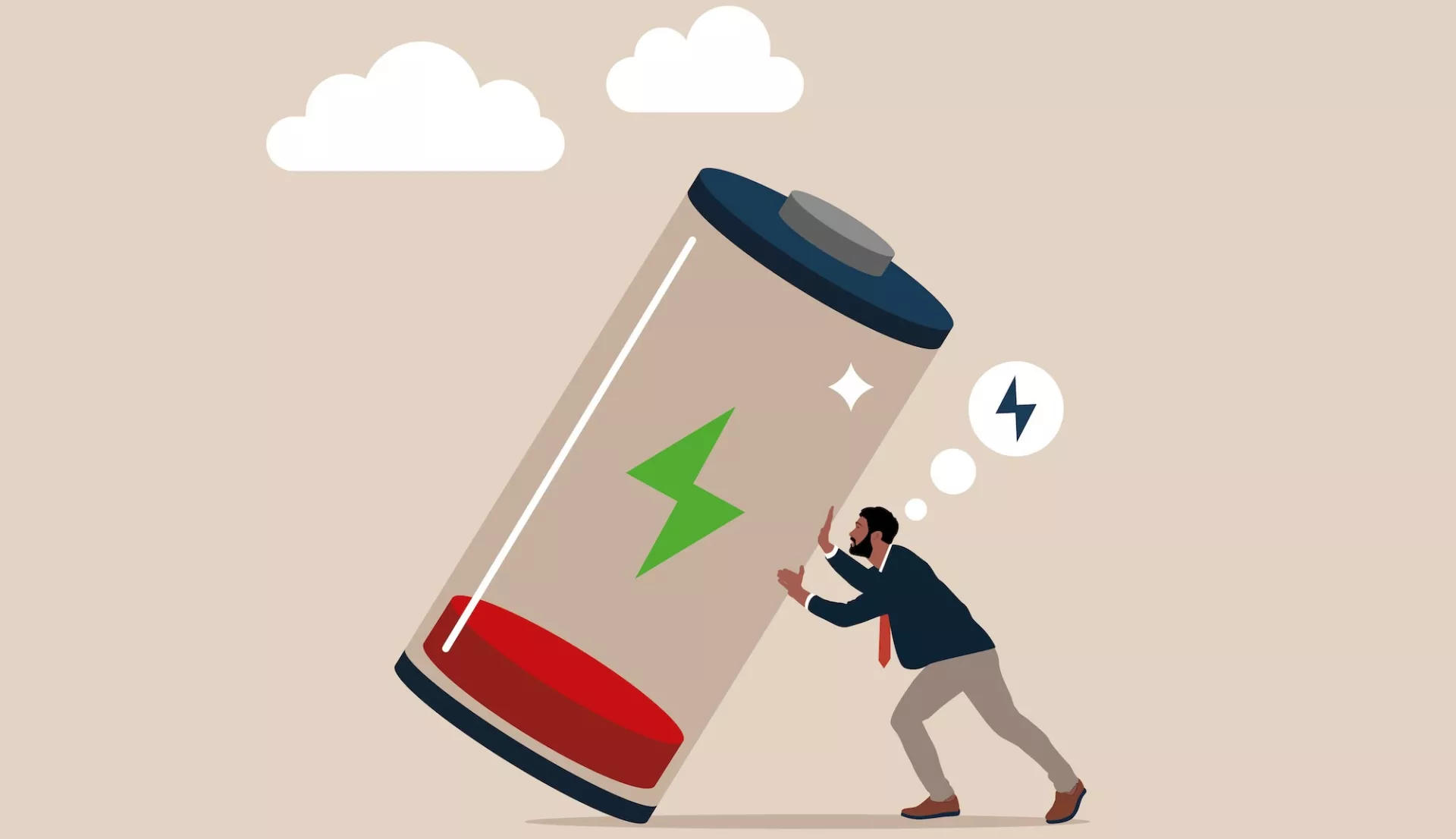
The growing technology landscape of the past decade or so has led to an increase in what is known as “tech fatigue.” Tech fatigue occurs when educators face constant pressure to learn, integrate, and manage new digital platforms with little to no support. This burden, along with many other factors, can lead to burnout.
More than half of teachers reported feeling burned out, according to a 2025 survey by the RAND Corporation. Driving this exhaustion is more than paperwork, student behavior, and long hours. New digital demands are often not supported or are improperly introduced. “More and more has been asked of us, and it doesn't seem to stop,” Connecticut teacher Joe Holloway recently told NEA Today.
Another Thing on Teachers’ Plates
Educational technology is usually presented as a path to more innovative instruction and streamlined processes, which it often is. A recent study, however, found that learning new technologies could lead to higher levels of educator burnout. The researchers reported that they were surprised to discover that teachers who used a learning management system such as Canvas or Schoology reported higher levels of burnout.
“Ideally, these tools should have simplified their jobs," they wrote The Conversation. “We also thought these systems would improve teachers’ ability to organize documents and assignments. ...Instead of being used to replace old ways of completing tasks, the learning management systems were simply another thing on teachers’ plates.”
Asking teachers to adopt new tools without adequate training and support and without reducing old requirements, the researchers wrote, is “a recipe for burnout.”
“The incorporation of technology may become a focus of tension and anxiety among teachers, influencing their daily lives. Often, the inclusion of educational technology is demanded despite the lack of technical resources and equipment necessary for its correct didactic use.”
A 2021 international study also found that the increasing workload around tech integration—particularly self-guided integration—can have negative effects on the well-being of teachers, with high rates of stress and anxiety a common occurrence.
Shifting Digital Landscape
Gonzalez recalls that in the early days of the COVID pandemic, classes began adapting digital platforms like Zoom and Pear Deck as a standard in their digital classroom. Gonzalez's district issued a laptop to each student for a short-term solution that soon turned permanent.
Teachers found themselves navigating platforms without proper training. “We can't expect teachers to do it all on their own,” Gonzalez says.
Instructional Specialist and author Miriam Plotinsky has spent 25 years at Montgomery County Public Schools and sees the same patterns. In her role overseeing secondary English and literacy teachers, Plotinsky sees technology being handed to educators without guidance. She says the fatigue does not come from just the tools alone, but from the sudden expectation for teachers to adapt the technologies on their own.

“There are so many platforms' teachers have to be on,” Plotinsky explains. “And most of the time, there isn't enough formal training on how to leverage them. Expecting people to figure it out is not fair, but it is common.”
“When teachers cannot figure something out, they blame themselves," she adds. "But that's not their failure, it is someone else's.”
Dylan Kane, a seventh-grade math teacher in Leadville, Colorado, also noticed the trend. At the beginning of his career as a teacher, he was another enthusiastic adopter of technology. “I was on the earlier side of technology adoption. I'd drag the Chromebook cart into my room and try everything.”
However, since then, the demand has gotten greater. Teachers are expected not just to deliver instruction, but also to manage behavior, track data across multiple platforms, and support their students emotionally, all while experiencing screen fatigue themselves.
Over the past five years, Kane has seen more downsides.
“It does feel tiring sometimes as we push more and more of our systems online,” he explains. “When I’m teaching, I have to have one website up for attendance and a second website up for entering discipline notes. I have a third website up for monitoring students’ bathroom passes and a fourth up to monitor what students are doing on their Chromebooks.”
Better Training and Support
Plotinsky frequently sees districts introduce tools with the idea that "more is better." However, too many platforms can leave teachers more fatigued.
“Protecting teacher well-being has to do with streamlining the number of places where teachers have to complete tasks," she says. Plotinsky suggests that with better training and more support from districts, tech fatigue can be reduced.
More time, Alfonso Gonzalez says, would also help.
"Districts need to allocate time for teachers to learn and integrate technology," he says. "When teachers do not have to educate themselves, there's less burnout."
Instead, it is about advocating for structure, support, and intentionality when implementing tech in the classroom.
Tech fatigue does not mean we should reject the evolving digital landscape, Gonzales says. He defines "true blended learning" as instruction with enhancements that are not entirely erased by technology. He uses digital tools to add variety to material, connect with other educators, and move beyond outdated textbooks.
Working with AI

The emergence of artificial intelligence (AI) presents a new slate of opportunities and challenges for educators who may already be struggling with tech fatigue.
Gonzalez believes that when educators embrace AI with curiosity and patience, it can reduce burnout by handling repetitive tasks, improving overall workflow, and even providing new ways to engage. Gonzalez wants to use AI as more of a partner and resource, not as a replacement for thought and creativity in his classroom.
Kane also agrees that AI can be helpful for additional practice problems or getting feedback. But he says it must be carefully guided.
"If AI is a shortcut that removes thinking, it is not helping anyone,” he says.
Ultimately, Gonzalez says, tech fatigue, while challenging, is not a reason to dismiss digital tools. “Testing out new technologies and seeing how they can improve my life and primarily support my students is exciting and decreases my burnout.” The underlying problem isn't necessarily the technology itself. But districts must ensure technology integration comes with support, training, and boundaries.