Key Takeaways
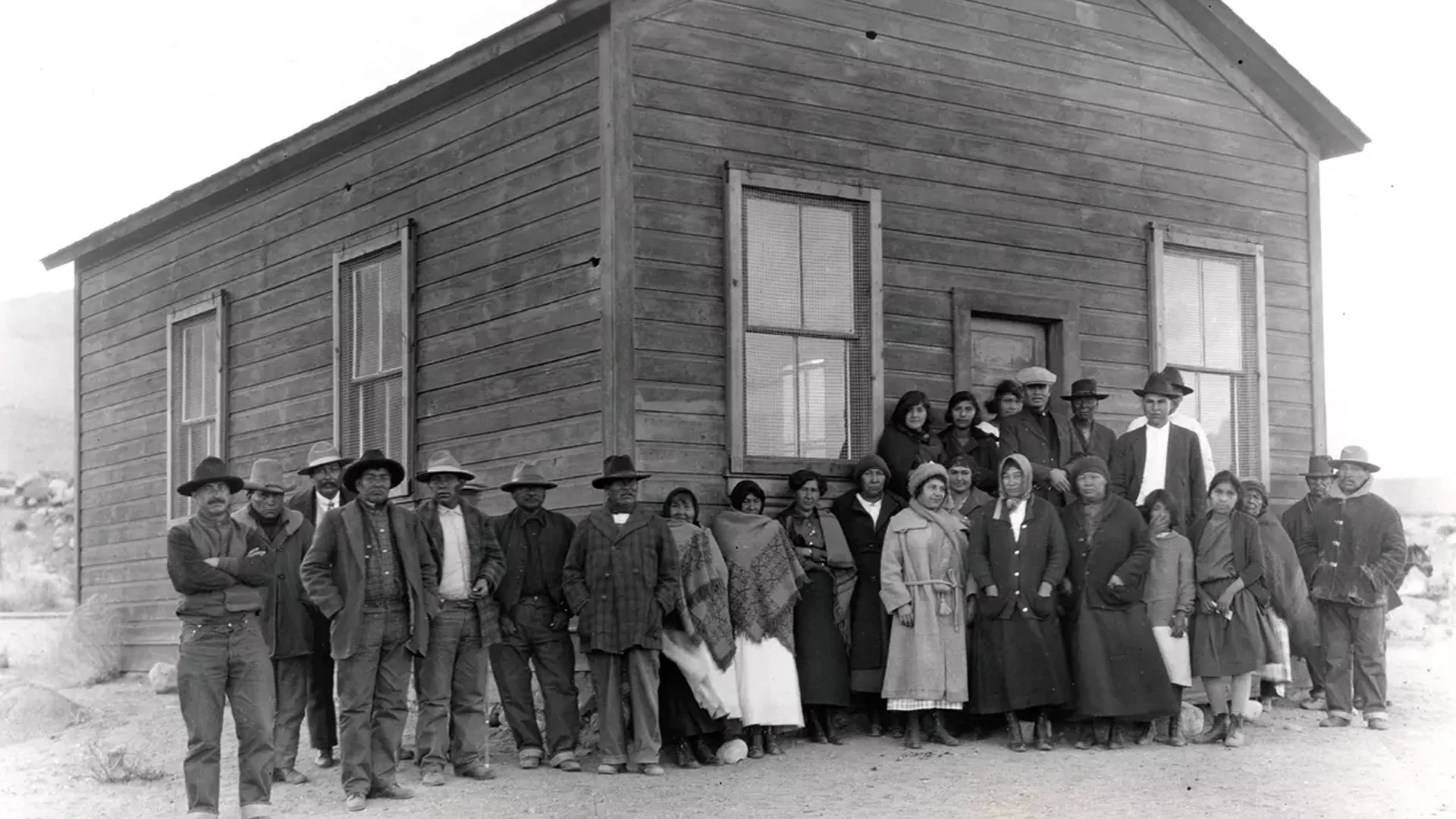
- In 1923, Alice Piper and six other Native American students from the Big Pine Paiute Tribe were denied access to their local public school in California solely because of their race.
- Rather than accept exclusion, the students and their families pursued justice, ultimately re-shaping the legal landscape for educational equity.
- The case, Piper v. Big Pine School District, reached the California Supreme Court, which ruled unanimously that the exclusion of Native American children from public schools violated the state constitution.
In August 1923, 15-year-old Alice Piper, a Paiute child living in California’s Owens Valley, and six other Indigenous children, tried to attend the public school in Big Pine. She met the age requirements. Her family lived in the district. But school officials denied her admission because she was Native American.
Instead, she was told to attend a separate “Indian school” 30 miles away from her home.
Her father, Pike Piper, refused to accept the decision. The lawsuit he filed would become California’s earliest successful challenges to public school segregation—three decades before Brown v. Board of Education (1954).
A Father Pushes Back
At the time, California law allowed school districts to create separate schools for Native American children. It was part of a broader system that treated Native students as outsiders, often pushing them into separate classrooms or federally run boarding schools meant to strip away their language and culture.
But Piper believed the school district had gone too far. So, he took the case to court.
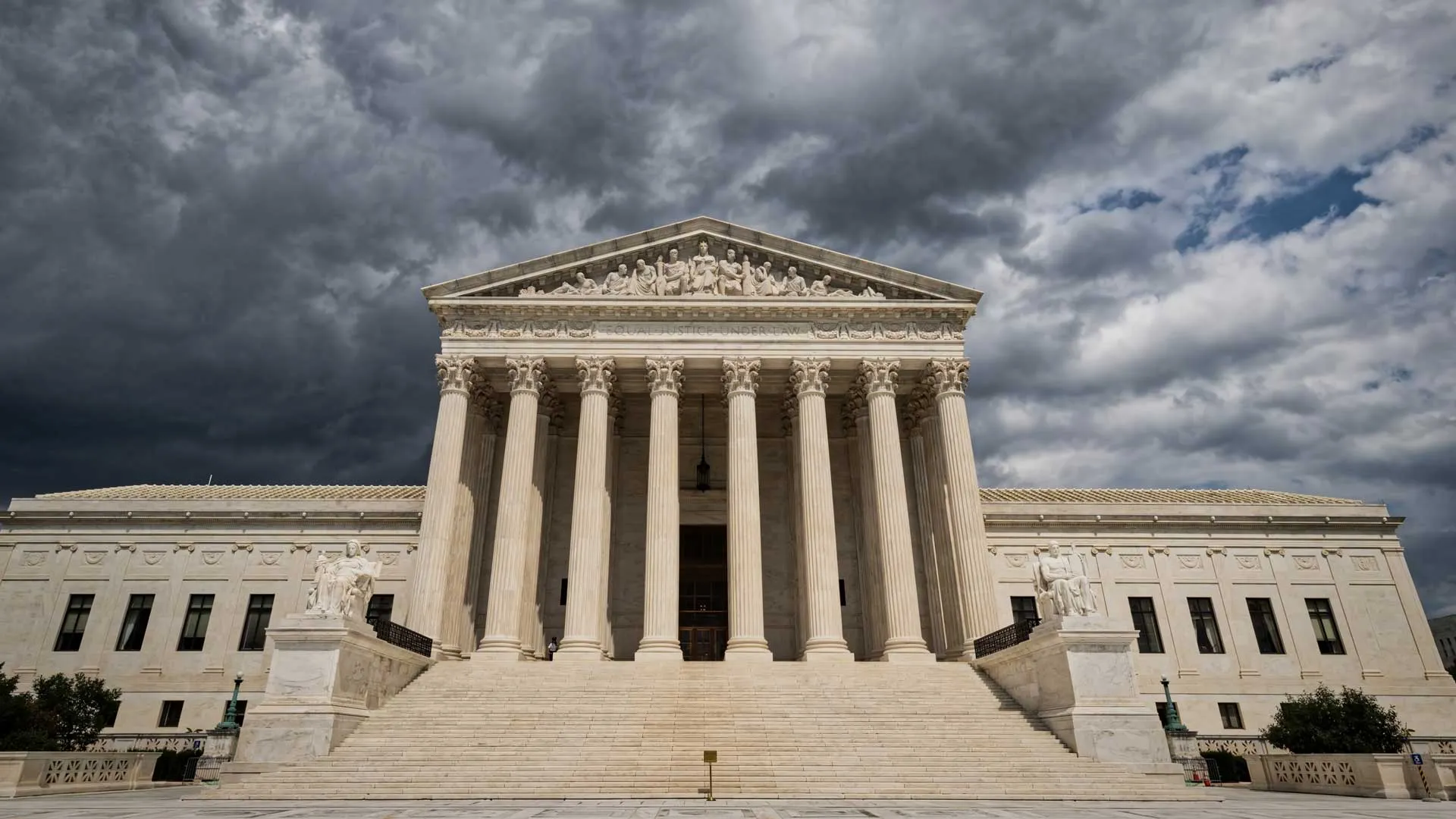
In Piper v. Big Pine School District, the California Supreme Court was asked to decide whether the school district had the legal right to turn Alice away.
The justices said … no. They determined that the district misused the law and Alice didn’t fall within the specific conditions that would justify her exclusion from regular public school—affirming that public education must be accessible to all children—regardless of race—and rejected the use of segregation as a tool of discrimination.
A Precursor to Brown v Board
The court ordered the district to admit Alice on June 2, 1924, the same day that Congress passed the Indian Citizenship Act, finally recognizing Native Americans as U.S. citizens.
But it wasn’t a sweeping declaration of equality, given the judges didn’t fully strike down segregation. They did, however, draw a line: A school district couldn’t simply decide a child didn’t belong and expect the law to back them up.
“Alice Piper’s story is both instructive and inspiring,” says Sedelta Oosahwee, a senior policy analyst for NEA where she manages the American Indian/Alaskan Native portfolio. “It reminds us that students—often young people from marginalized communities—have long been catalysts for transformative change. It also highlights the critical role of schools, educators, and unions in defending the principle that public education must serve as a foundation for democracy, equity, and justice.” Oosahwee is an enrolled citizen of the Three Affiliated Tribes of the Fort Berthold Reservation.
Learn more about the life and legacy of Alice Piper
Segregation Beyond the South
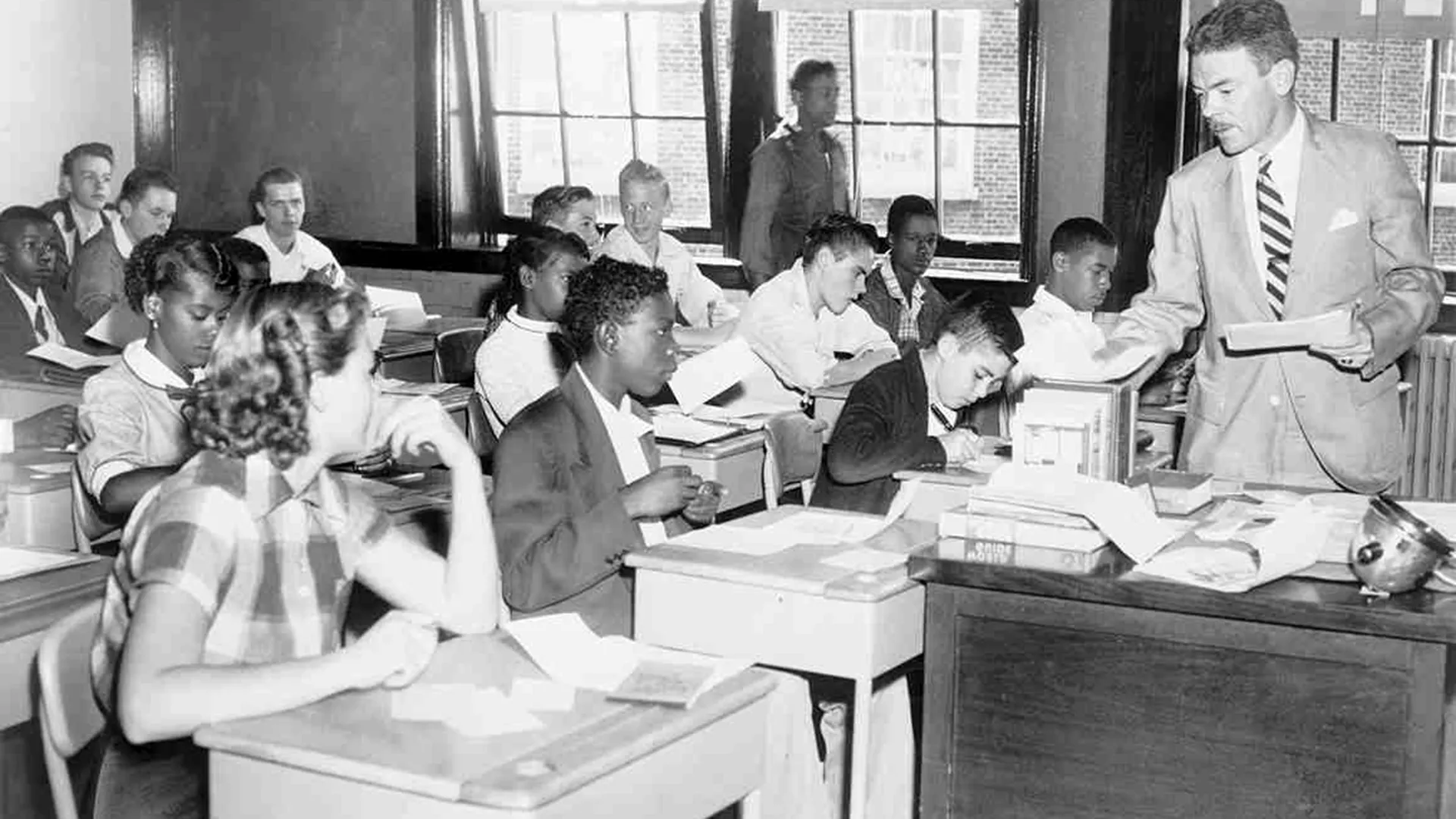
Alice’s case complicates the familiar narrative that school segregation was confined to the Jim Crow South. In places like Alabama, Mississippi, and Georgia, segregation was written plainly into law. For example, Black children were required to attend separate schools, often in building that were underfunded, overcrowded, and physically deficient.
In California and across the West, racial segregation operated through a patchwork of laws and local practices. State law explicitly allowed separate schools for Native American and some Asian children. Mexican American students were often placed in separate classrooms or schools under the justification that they needed English instruction, even when many were fluent. In other cases, there was no clear law at all—just decisions made by school boards about who “belonged,” sometimes shifting from year to year.
The Road to a Larger Movement
When the California Supreme Court ruled in Alice’s favor, there was no unified national education movement demanding desegregation. Over time, that changed.
The NEA gradually expanded its engagement with civil rights issues. By the mid 1950s, particularly after the Brown decision, NEA publicly supported desegregation and encouraged school systems to comply with the federal ruling.
The Piper decision didn’t overturn segregation laws or address constitutional equality in sweeping terms. But it mattered.
It affirmed that Native children couldn’t be excluded from public schools; it required districts to pertain within the limits of state statutes; and it demonstrated that those limits could be enforced through litigation.
As NEA continue to confront persistent inequities in education, the legacy of Alice calls on educators to remember that the fight for inclusive public schools didn’t begin in 1954.
Today, many communities mark June 2 as the anniversary of the court’s ruling.
“Honoring this history strengthens our collective resolve to ensure that every student, in every community, is welcomed, valued, and afforded the full promise of great public schools for everyone,” says Oosahwee.