Key Takeaways
- The U.S. is experiencing its worst year for measles cases since 1991 and is on track to lose its measles elimination status by the end of 2026.
- Disinformation from the Trump Administration is creating confusion and fear among parents about the safety of vaccines, which experts say is leading to lower vaccine rates and more measles outbreaks.
- School nurses follow the body of scientific evidence behind the routine vaccine schedule provided by the American Academy of Pediatrics and they are helping parents access free vaccinations and information from trusted public health sources.
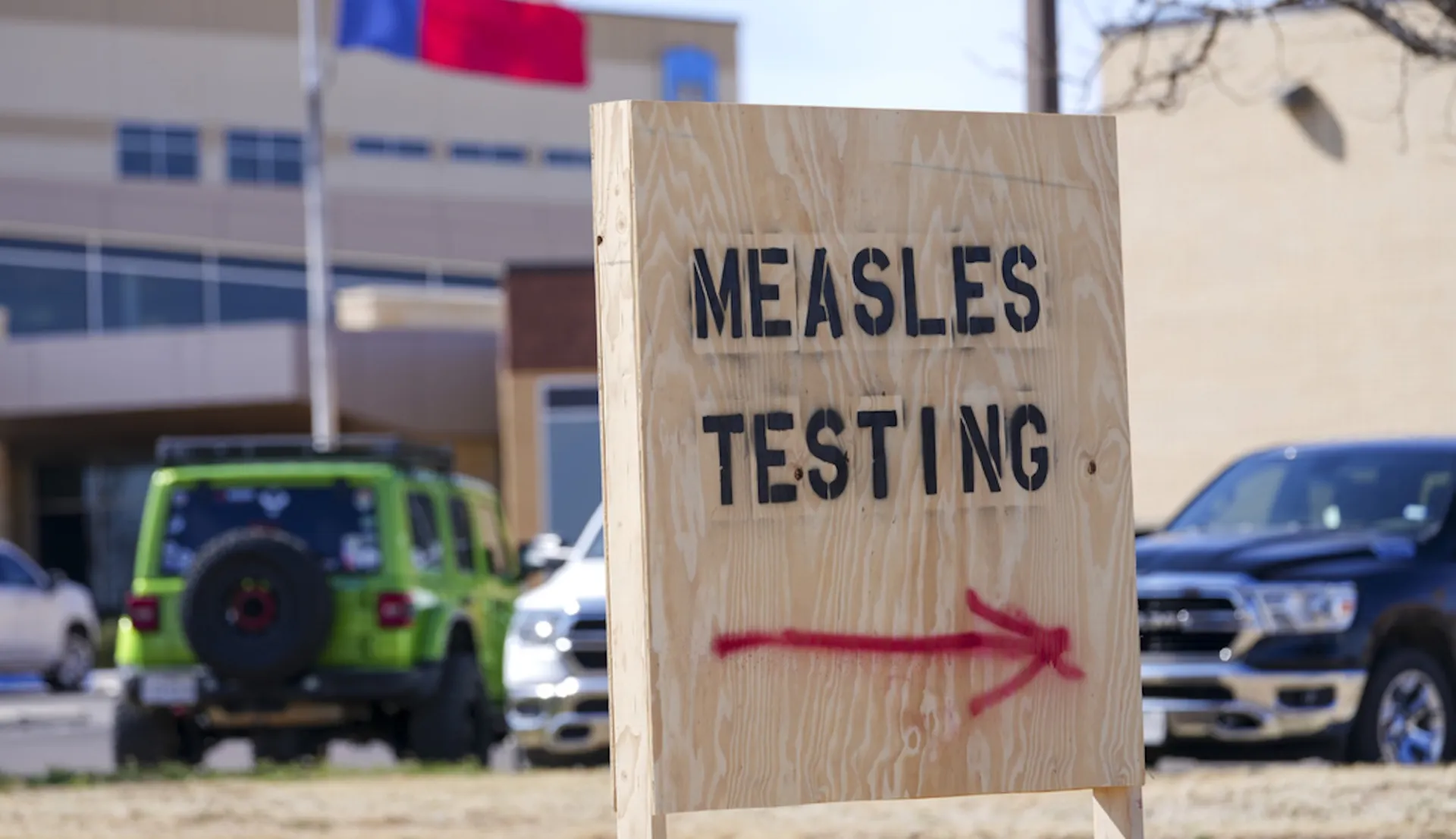
Allison Palombo, a school nurse in the Beaver Area School District in western Pennsylvania, says she and her school nurse colleagues are on high alert as a measles outbreak across the state has led to hundreds of cases, hospitalizations, and two measles-related deaths.
“We’re in the middle of an outbreak with the third highest number of measles cases in the country,” Palombo says. “Having this happen at the beginning of the school year is literally the worst timing ever.”
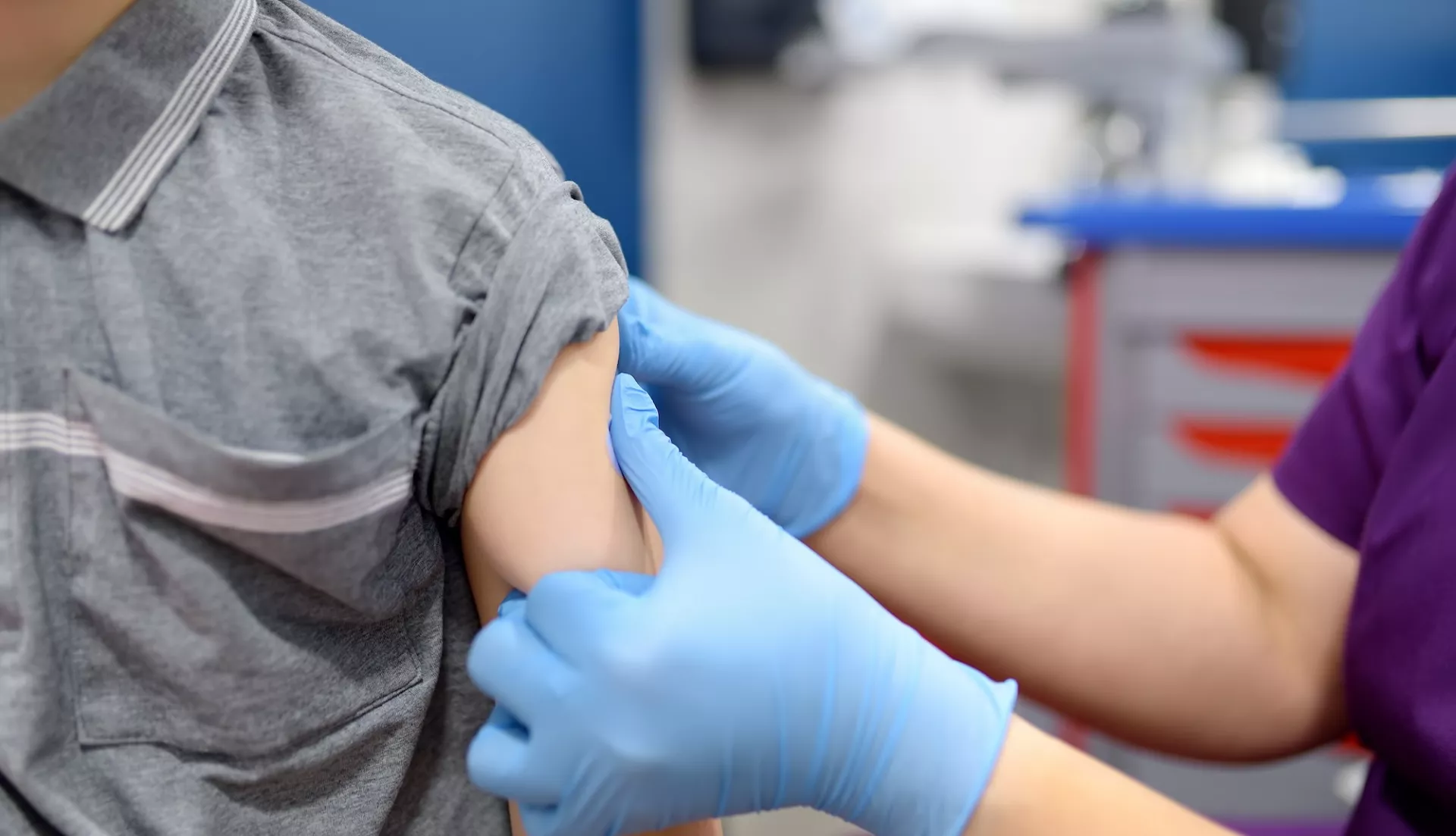
But she’s rolling up her sleeves, scouring student immunization records, and calling families to connect them with primary doctors, pop up clinics, pharmacies, and urgent care centers that offer free vaccines to make sure students have the required immunizations. She’s also answering parent questions with science-backed information to encourage them to get their children vaccinated.
Vaccination Rates Decrease as More Parents Opt Out
Pennsylvania, like many other states, is seeing a steady increase in the number of parents turning in vaccination exemption forms for their kindergarteners. Many parents in Pennsylvania are checking the box that says they have a “strong moral or ethical conviction” that precludes them from immunizing their children. (Pennsylvania is one of 15 states that allows “philosophical exemptions” in addition to medical and religious.)
Experts in infectious diseases say misinformation about the safety and efficacy of vaccinations has led to the rise in exemptions and is fueling the outbreaks.
The U.S. is experiencing its worst year for measles cases since 1991.
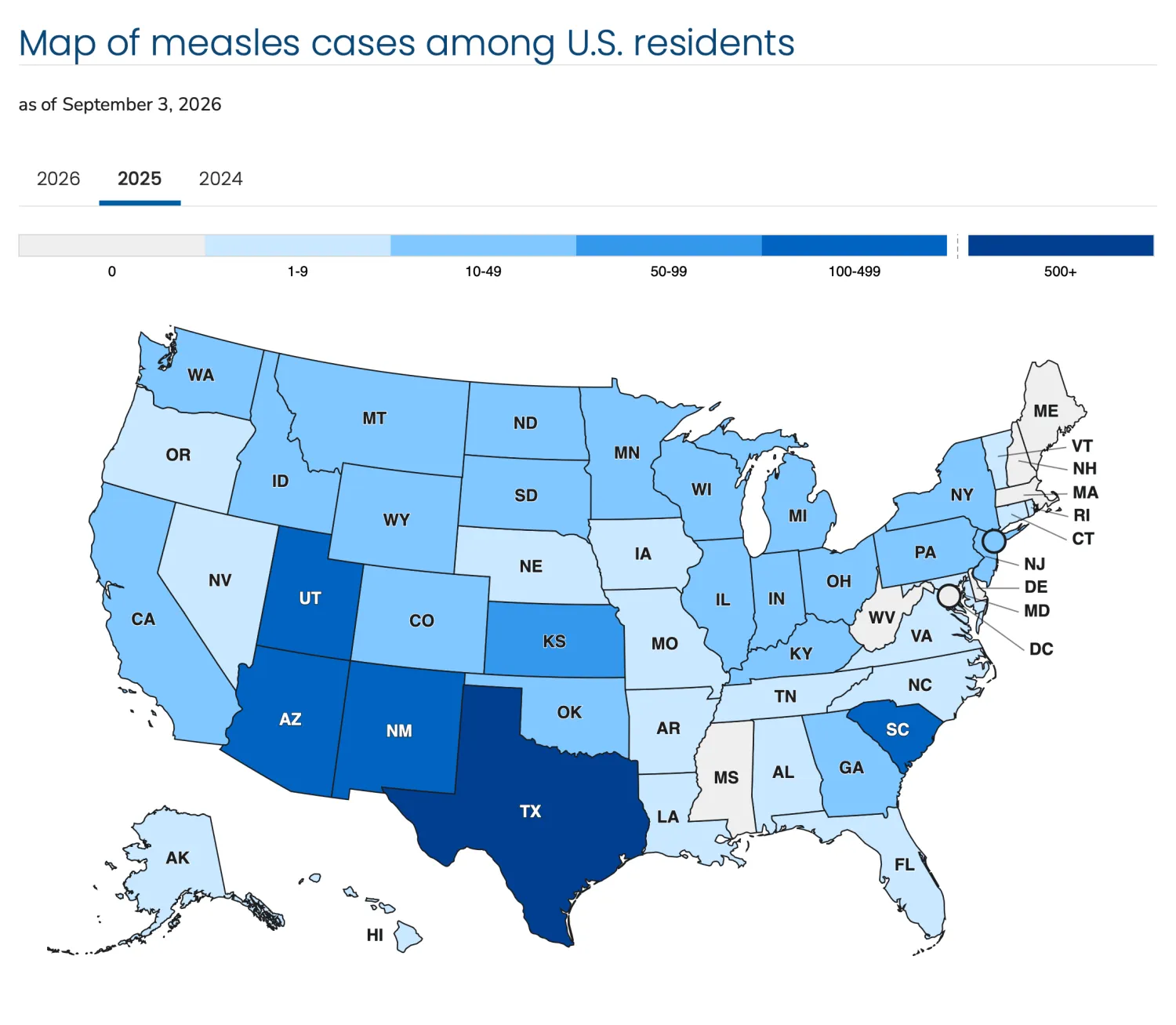
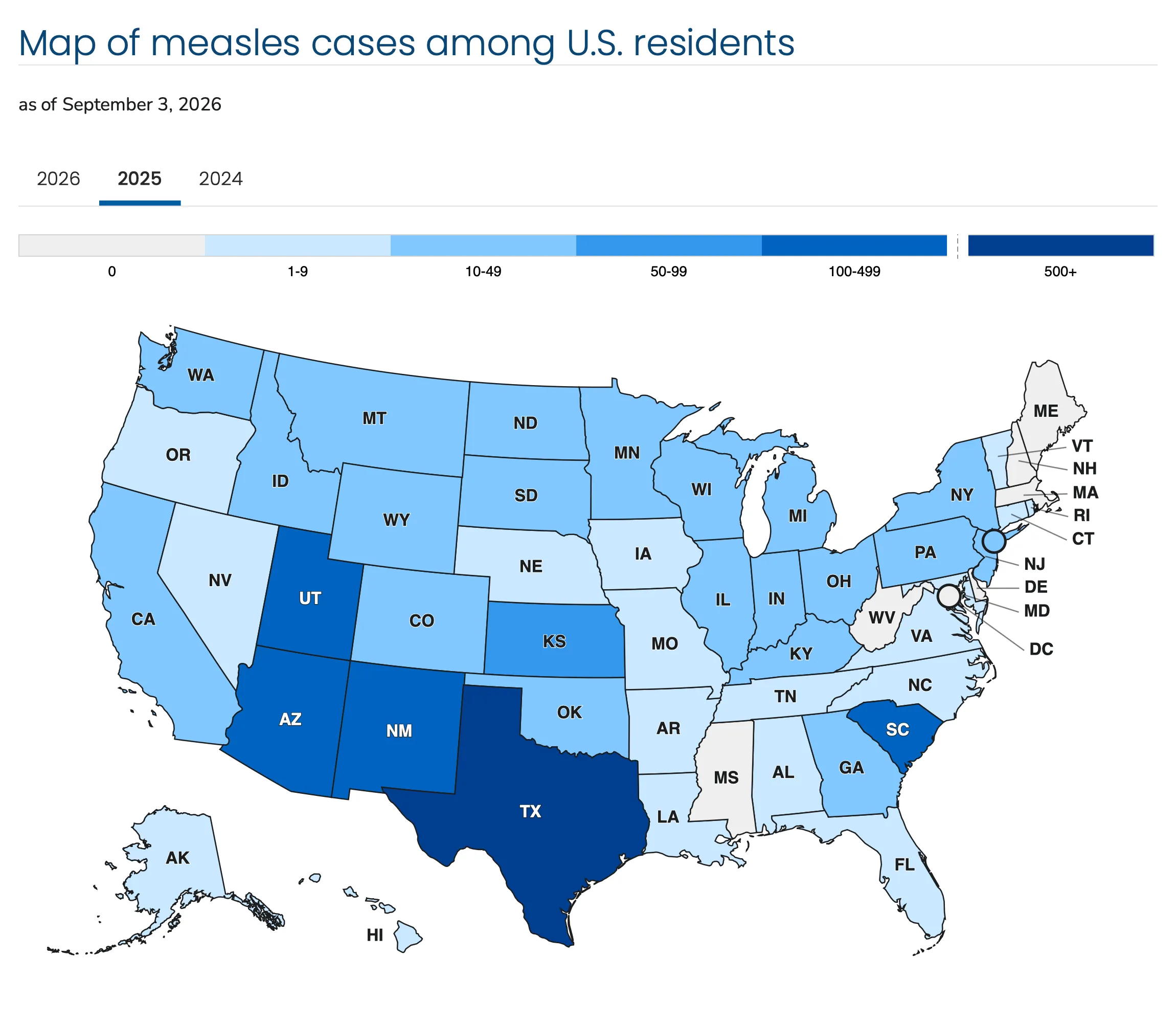
There were an alarming number of measles cases across the U.S. in 2025 and those numbers have already been surpassed in 2026, a 35-year high. Now, more than a quarter million children entering kindergarten are susceptible to measles.
National data from the Centers for Disease Control and Prevention (CDC) shows that measles, mumps, and rubella (MMR) vaccination coverage for kindergarteners dropped from 95.2% in the 2019-2020 school year to 92.4% for the 2025-2026 school year.
Those percentage points might seem insignificant until you consider that a community needs a 95% rate to achieve herd immunity.
“Herd immunity is a real concern,” says Palombo. “A 95% vaccination rate protects the folks who can’t have a vaccine for medical reasons, like people with autoimmune disorders, children who received or are waiting for organ transplants, cancer patients, or those whose bodies reject the antibodies.”
Palombo, who is in her late 50s, says that the risk extends to people her age who work in schools. According to the National Foundation for Infectious Diseases, people vaccinated between 1963 and 1968 may have received a measles vaccine found to have lower effectiveness.
"My advice to those of us my age, or any adult working within the school system, find out if you are covered, and if you don’t have your records you can ask for a measles titer test from your doctor or at an urgent care center,” she says.
Her concern is warranted – measles is a highly contagious disease, and the lower a community’s vaccine level, the more people are at risk.
In her community of Beaver County, herd immunity is at 93 percent. In Lancaster County, the epicenter of the state outbreak, herd immunity is only 88 percent.
Misinformation Fuels Measles Outbreaks
Making matters worse is the misinformation coming from the Trump Administration. On August 10, Trump signed an executive order backing fewer routine vaccines for kids, reducing the number to 11 from the recommended 17, while falsely tying immunizations to autism.
The Trump executive order also calls for splitting the standard two-dose MMR combination vaccine into three separate component shots, which would multiply the total into six individual doctor visits and doses.
“This isn’t what pediatricians recommend at all,” says Palombo. She urges families to follow the guidelines set forth by their own pediatricians. She says children already “flip out” about getting the current number of shots. What’s more, it’s hard for working families to make six different doctor visits, and there are all sorts of reasons they might miss one – a child gets a cold, an unexpected emergency causes appointment cancelations, or life just simply gets in the way. The burden on hourly wage families is even higher when missed work means missed income.
“Breaking up the schedule would just add another hurdle to achieving high vaccination rates,” she says.
The Trump administration’s executive order is not based on new scientific evidence and has left medical experts stunned because the current schedule is based on decades of peer-reviewed research.
“Not a single reputable scientific organization supports separating the MMR vaccine. With this executive order, it is now the policy of the United States to try to make it happen,” Joshua Sharfstein, John Hopkins University vice dean for public health practice and community engagement said on the Public Health On Call podcast.
He said pediatricians and the public health community were outraged by the executive order because of the lack of science behind the president’s argument.
By sowing confusion about vaccinations, the Trump Administration puts the entire American population at risk, experts say. In fact, the administration is sowing more than confusion: it is causing fear among many American parents.
"The measles vaccine could be lethal,” was one of the statements made at the press conference announcing the new vaccine schedule.
While the U.S. is currently experiencing the biggest measles outbreak in decades, it’s likely we will lose our status as a country that has eliminated transmission of measles before the year is out.
Measles is a serious threat, Sharfstein warns.
“It’s a highly infectious virus, and not everyone can be protected against measles directly by the vaccine, including babies who are too young to be vaccinated,” he said. “It’s not just a question of personal choice; when a society is protected, people who can’t receive the vaccine due to medical reasons are protected.”
Vaccination shouldn’t be political, but Sharfstein points out that we live in a time when “there’s all kinds of signaling about health positions based on politics. This order is a great example of why that can be very dangerous.”
School Nurses Emphasize Safety of Vaccines
The National Association of School Nurses (NASN) is following the recommendations of the American Academy of Pediatrics (AAP) for vaccine guidance rather than the CDC, according to NASN president-elect Pat Endsley.
The AAP strongly recommends the routine, two-dose MMR vaccination for all eligible children to prevent measles.
"There’s a lot of misinformation out there. We’re reinforcing the correct information: vaccines are safe, and MMR vaccines are safe,” Endsley says. “It is not best practice to separate the components of the vaccine. For one, it’s very expensive to do so. For another, dividing the vaccine over several visits increases the likelihood that students or even adults won’t complete all of the follow-up visits. Finally, there is a strong body of scientific evidence supporting the current vaccine schedule. We follow the science.”
Measles Virus Remains Active and Airborne for Two Hours
In Utah, the state with the second highest rate of measles after South Carolina, Ellie Brownstein, president of Utah’s AAP chapter warns that transmission at the start of the school year will likely lead to more cases as classes get into full swing this fall.
“You take people from different areas, different places, and put them back in rooms together, anything airborne can find those folks who aren't vaccinated, and we will start increasing our numbers,” she says.
That is the worry of Paulette Luckett, a school nurse in St. Louis, Missouri, where the measles vaccination rate is about 90%, below the 95% rate required for herd immunity.

“We’re talking about a very contagious, airborne virus,” says Luckett, who is the Missouri National Education Association 2025 Education Support Professional of the Year. “If a person walks into a restaurant or a store and has measles, the virus is still in the air for two hours after they leave.”
Luckett is following the lead of AAP and NASN and is working hard to inform parents about the safety and efficacy of the MMR vaccine. She emphasizes that it’s never too late to get vaccinated, and she explains the health risks of remaining unimmunized.
She also explains the academic cost of being unvaccinated. If a case of measles is detected in a school, all students who have not received the MMR vaccination will have to stay home for 21 days in the state of Missouri. Most states have a standard public health rule requiring unvaccinated or non-immune students and staff to stay home from school during a measles outbreak to prevent the virus from spreading.
“It’s shocking to me that this is even a possibility in 2026,” Luckett says. “We didn’t see measles when I was a kid. This is so preventable, but here we are. Still, it’s stunning to me. Why are we here?”