DACA Program Update
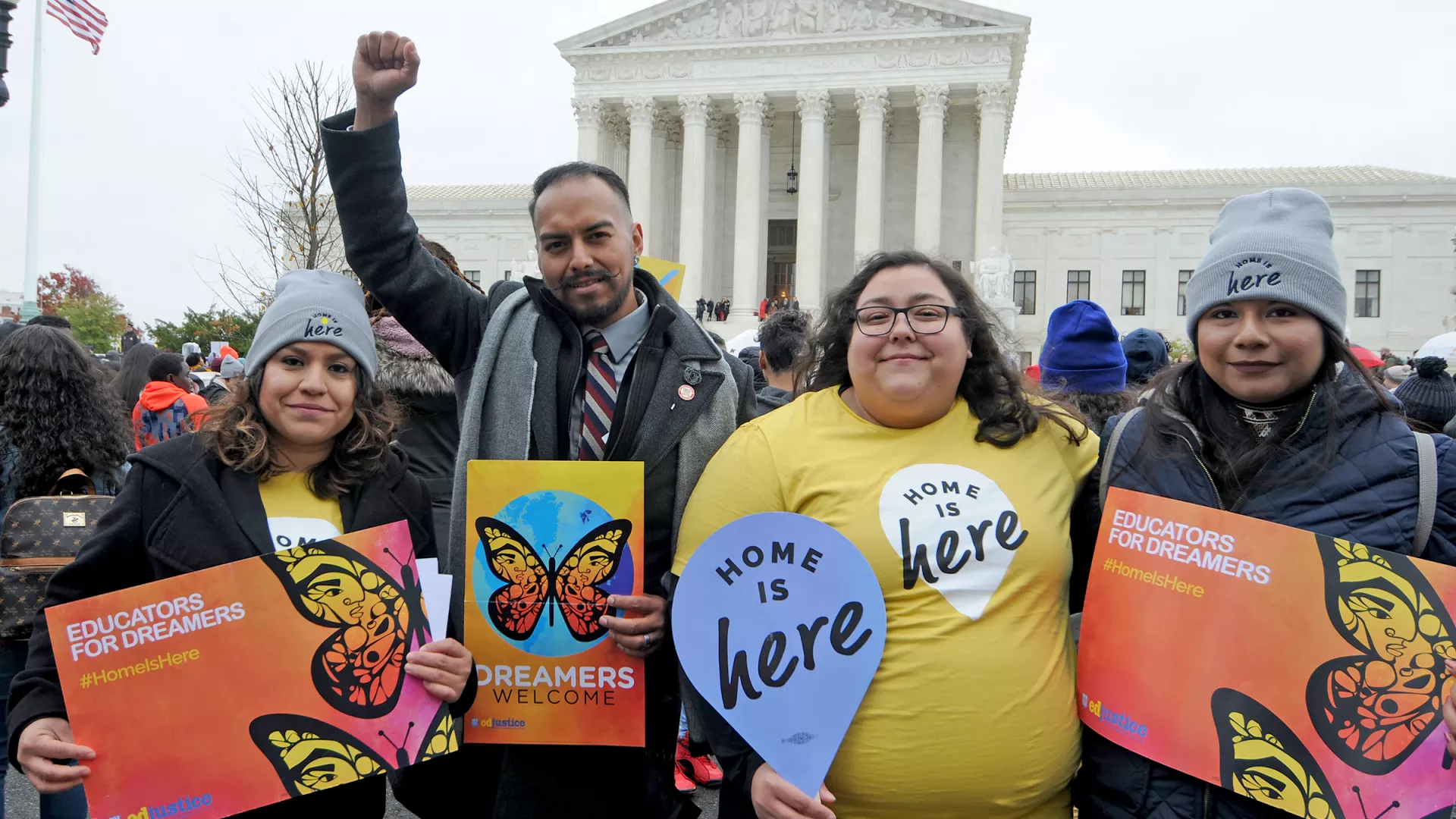
Deferred Action for Childhood Arrivals (DACA) allows young immigrants who grew up in the U.S. to seek temporary protection from deportation and to have the ability to work. There are approximately 579,000 active DACA holders. Migration Policy Institute, https://www.migrationpolicy.org/news/shrinking-number-daca-participants. Go to reference
On January 17, 2025, the Fifth Circuit Court of Appeals ruled that the DACA program is unlawful, but limited the injunction blocking DACA protections only to the state of Texas and only to the work authorization component of DACA. The district court is now considering how the invalidation of DACA work authorizations should proceed in Texas. In Texas, DACA will now only provide protection from deportation but not work authorization or access to driver’s licenses. In the coming months, DACA recipients in Texas could lose their legal work authorization. However, that has not happened yet and current DACA recipients in Texas continue to have access to their current work permits as we await further action from the district court.
At this time, nothing has changed for current DACA recipients, including DACA recipients in Texas. At present, current DACA recipients keep their deferred action status and work permits until they expire and current DACA recipients are able to renew their DACA permits.
Employers can ask for an updated DACA permit if the expiration date is approaching or there is some reason to believe the employee has become undocumented and may terminate an individual’s employment absent DACA or some other legally recognized immigration status. An employer should only ask you for your work authorization once they offer you a job, not before.
As a result of the Fifth Circuit’s ruling, initial, first-time requests for DACA could be processed for all 50 states, including Texas. However, DHS has not started processing new DACA applications and there is no updated guidance from the federal government on this issue. If you have never applied for DACA, you should be cautious in filing an initial application for DACA because of the Trump administration’s anti-immigrant enforcement priorities. Consult with an immigration attorney to assess your personal risks before moving forward with an initial DACA request. DACA renewals continue to be accepted and processed and DACA recipients should continue to renew their permits. DACA recipients may qualify for another immigration benefit that could lead to permanent residence and not know it. Please consult with legal counsel to discuss potential options that may be available.
- Migration Policy Institute, https://www.migrationpolicy.org/news/shrinking-number-daca-participants.
FAFSA Privacy Concerns
The Free Application for Federal Student Aid (FAFSA) is an application administered by the U.S. Department of Education that students and their families complete to apply for federal financial aid, such as grants, work-study programs, and loans. Many higher education institutions also require students to fill out the FAFSA in order to qualify for financial aid such as scholarships. Because the FAFSA provides personal information and details to the federal government, students from mixed-status families have raised concerns about filling out the FAFSA because of fears that the information provided on the FAFSA form may be used for deportation purposes. The Higher Education Act prohibits the use of FAFSA data for anything other than determining and awarding federal financial assistance. The Office of Federal Student Aid at the U.S. Department of Education has also stated that the Education Department will not share any information in violation of the Higher Education Act.
FAFSA information has not been used for immigration purposes in the past and no parents or other contributors on the FAFSA form have been targeted for immigration enforcement because of filing a FAFSA. However there is a possibility that the Trump administration could attempt to do so in the future.
California, New York, and Washington have developed their own financial need calculation tools for students who only want to be considered for state and local aid – all three tools specifically note that the data collected will not be provided to the federal government without a court order.
For more information on FAFSA, including updates, please visit the National College Attainment Network (NCAN) website.