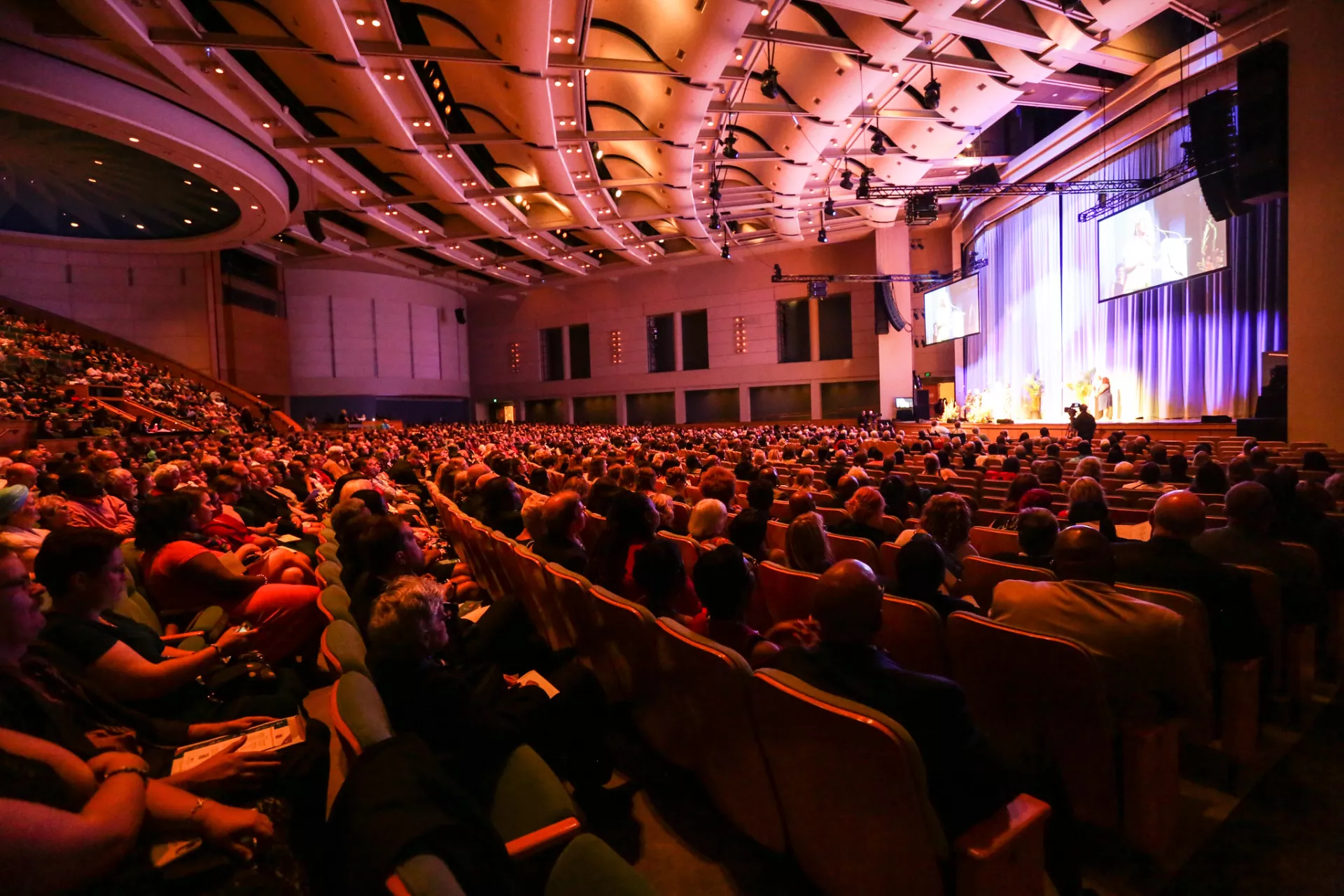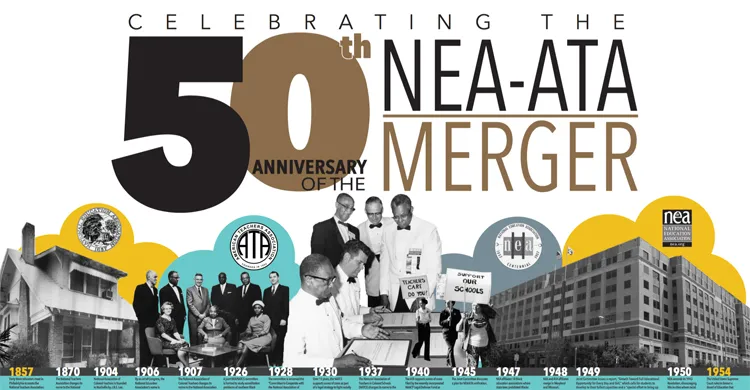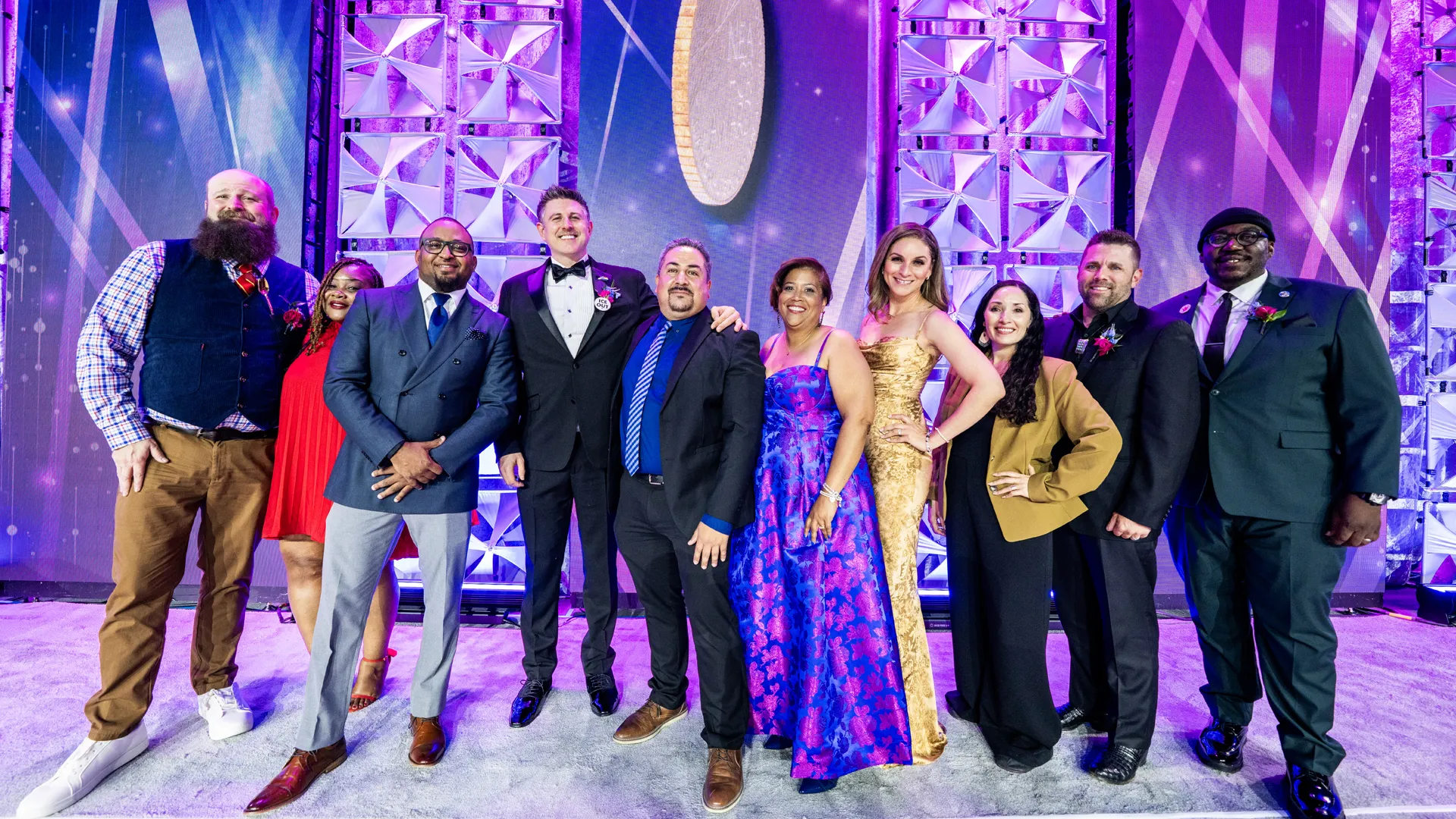
Advancing educational equity, advocating for civil rights, and strengthening underserved communities are just a few of the accomplishments of this years’ NEA Human and Civil Rights (HCR) Award winners. Rooted in NEA’s 1966 merger with the American Teachers Association (ATA), which represented Black teachers in segregated schools across the South, the annual event honors individuals and organizations that advance justice through education.
Lifting up students and communities
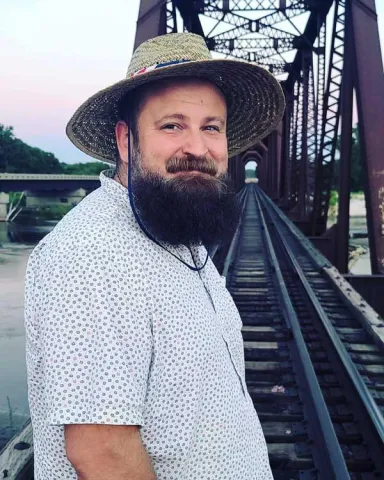
Educator Brian Whitecalf has a long history of combating disparities among people in his hometown of Grand Island, Neb., and empowering students to serve their communities. He once collaborated with students with disabilities to repurpose donated hotel soap bars for local veterans. The students attended the Indra House, a specialized public high school that teaches functional, independent living skills in a real home environment.
“After watching a video online, I thought about remaking the soap into larger bars, but I wanted [our work] to have purpose and creativity,” said Whitecalf in The Good News series,published by the Nebraska Department of Education.
The students learned the art and process of soapmaking before repurposing the small soap bars into larger, newly molded bars. They also gained a deeper understanding of how to identify and address the needs of specific members in their community.
“The students did a fantastic job, and hopefully it will bring about a greater awareness that we can share, help, and care about each other, along with being wise stewards of our resources,” Whitecalf said.
Today, Whitecalf is a community liaison at Grand Island Senior High and operates the school’s Archipelago pantry, which takes in donations and collections of food, clothing, and hygiene items for students who may need them. His work helps ensure that students and their families have reliable access to meals and essential supports.
Standing with immigrants
When the U.S. Department of Homeland Security led a large-scale federal immigration raid that swept through the Twin Cities in December 2025, Education Minnesota did what it has always done: It stood up for their students and families.
Deep community ties allowed Education Minnesota and its locals to move swiftly into action—organizing safety patrols around schools and ensuring that students could travel safely when families feared sending them into harm’s way. They provided transportation, food, and clothing to families whose ability to work and take care of their loved ones was suddenly at risk. Their unwavering commitment to racial and social justice has helped build safer and more welcoming communities.
Building stronger communities
NEA also honored the following allies and partners with HCR awards for their impactful leadership and dedication to advancing justice, equity, and opportunity:
The Center for Immigrant and Refugee Advancement (CIRA) is a non-profit organization, serving Nebraska and southwest Iowa, that provides comprehensive legal, resettlement, and social services to immigrants and refugees. On June 10, 2025, Glenn Valley Foods processing plant, in Omaha, Neb., was ambushed by a large-scale, early-morning raid by U.S. Immigration and Customs Enforcement agents. Seventy workers were detained without due process. Standing with them was a team of CIRA staff, who ensured no one was subject to inhumane treatment while in custody.
O’nae Chatman is a Mississippi-based author and motivational speaker who, through his educational consulting company, partners with public school districts, universities, churches, and community organizations nationwide to teach young people life skills that support academic success. His mentoring program focuses on self-awareness, self-management, social awareness, relationship-building skills, and responsible decision-making, along with other skills.
The Fairness Campaign led the effort to pass a historic Fairness Ordinance in Louisville, Ky., 25 years ago. As the first law in the state to ban discrimination against LGBTQ+ people, it paved the way for others to follow. A few months later, Lexington also passed a Fairness Ordinance. Today, 24 cities and towns across the state have enacted LGBTQ+ discrimination protections, covering nearly a third of Kentucky’s population.
Girls Inc., based in New York, is a nonprofit that drives change for girls across the country. Through its mentoring and educational programs, the organization promotes leadership skills and empowers girls to be strong, smart, and bold. Key areas of work include addressing trauma and toxic stress, mental health, bullying prevention, healthy relationships, financial literacy, civic engagement, and supporting young people after a tragedy. Girls Inc., equips girls with the skills, knowledge, and confidence to succeed.
Hope-Esperanza has helped marginalized communities in Lincoln County, Nebraska, access essential services and build self-sustaining families since 2021. The organization’s innovative programs include a weekly food distribution initiative for families facing language barriers and a community health fair offering vaccinations, physicals, free gym equipment, and mental health sessions.
Emanuel “Dupree” Jackson Jr. is a community activist, mentor, and founder of an organization he named after his father, the Emanuel Jackson Sr. (EJS) Project. Based in Florida, EJS provides a forum for young people to engage in honest conversations about issues affecting their personal growth, while emphasizing the importance of history, current events, and civic engagement. EJS has supported some 5,000 Palm Beach County teens with academic tutoring, mental health workshops, and career preparation.
The Nebraska Urban Indian Health Coalition provides Native communities in the Omaha and Lincoln metro areas with access to quality healthcare that reflects their physical, mental, and cultural needs. The clinics address the ongoing suicide crisis by creating safe spaces where Native young people can process past and present trauma and find support to heal and move forward.
Vital Immigrant Defense Advocacy and Services, or VIDAS, in Santa Rosa, Calif., provides trauma-informed, low-cost, or free immigration legal representation, community education, and deportation defense for vulnerable and low-income immigrant communities. VIDAS works to prevent unconstitutional immigration enforcement practices and protect immigrant rights.
Related Content